




Thailand is a nation defined by its geographic and cultural diversity, situated at the heart of the Southeast Asian peninsula. Its territory stretches from the misty mountain ranges of the northern highlands to the crystal clear waters of the southern archipelagos, creating a landscape of profound variety. Historically known as Siam, the country has maintained a unique position in the region as a sovereign state that was never colonized by European powers. This history has allowed for the preservation of a deep seated national identity that is visible in its religious architecture, its linguistic traditions, and its social etiquette. The current era in Thailand is marked by a sophisticated blend of rapid urbanization and a renewed commitment to the preservation of its natural and communal heritage.
Travelers arriving in Thailand are often struck by the sensory complexity of the environment, where the scent of street food and the visual brilliance of golden temples provide a constant backdrop to daily life. The experience is framed by the concept of sanuk, a Thai philosophy that emphasizes the importance of joy and playfulness in every activity. This approach to life is reflected in the hospitality of the people and the vibrant energy of the local festivals. In recent years, there has been a significant shift toward meaningful and sustainable travel, as the nation moves away from mass tourism in favor of high value experiences that support local communities and protect the ecological integrity of the islands and forests.
This article explores the essential destinations and cultural layers that provide a comprehensive view of the Thai experience. It examines the urban dynamism of the capital city, the spiritual traditions of the northern provinces, and the maritime beauty of the southern coasts. The following sections also look at the historical significance of the ancient capitals and the role of the culinary arts in shaping regional identity. By focusing on these core areas, visitors can develop a deeper understanding of how Thailand balances its role as a global travel hub with its enduring respect for the traditions of the past. The narrative provides a framework for exploring the kingdom with intentionality and an appreciation for the subtle details of its cultural fabric.
Urban Dynamism and the Spirit of Bangkok
The capital city of Bangkok, known locally as Krung Thep, serves as the primary gateway to the kingdom and represents the peak of Thai modernization and creative energy. It is a city of layers where high rise glass towers and modern rail systems exist alongside traditional wooden houses and quiet canal communities. This urban environment is central to the Thai experience because it demonstrates the nation’s ability to integrate global influences while maintaining its own distinct character. The city is a hub of commerce, fashion, and the arts, offering a glimpse into the aspirations of the contemporary Thai population. Navigating the streets of Bangkok is an exercise in observing the harmony between the fast paced movement of the present and the slow rituals of the traditional world.
General exploration in the metropolitan area involves moving through a series of diverse districts that each offer a different perspective on the city. Travelers typically utilize a combination of the modern sky train and the traditional canal boats to bypass the dense street traffic, providing a view of the city from both the air and the water. The experience is defined by the constant presence of the Chao Phraya River, which has served as the lifeblood of the city for centuries. Along its banks, visitors can find high end luxury hotels situated next to century old warehouses and active piers. The sensory immersion is total, ranging from the cool interiors of the massive shopping malls to the heat and noise of the bustling local markets that thrive in every neighborhood.
The Grand Palace and the temple of Wat Phra Kaew remain the spiritual and historical center of the city, housing the Emerald Buddha and showcasing the height of Thai architectural craftsmanship. The intricate details of the murals and the brilliant colors of the mosaic tiles provide a direct link to the royal history of the nation. In contrast, the district of Yaowarat offers a different kind of intensity, as one of the largest Chinatown neighborhoods in the world. Here, the focus is on the traditions of the merchant community and the vibrant street life that centers on the gold shops and the famous food stalls. Newer developments, such as the art galleries of the creative district and the rooftop bars of the business zones, offer a look at the cosmopolitan future of the city.
The practical value of engaging with Bangkok lies in the understanding of how a massive urban center can maintain a sense of community and spiritual grounding. It provides a perspective on the logistical efficiency and the social grace that allow millions of people to live and work in such a dense environment. For the traveler, the city offers an unparalleled variety of experiences, from quiet contemplation in a riverside temple to the excitement of a contemporary art biennale. This urban exploration is a necessary component of any visit to Thailand, as it sets the context for the more rural and traditional experiences found in the other provinces. The energy of the capital is a vital part of the national identity, reflecting the resilience and the creativity of the people.

Northern Sanctuaries and Lanna Heritage
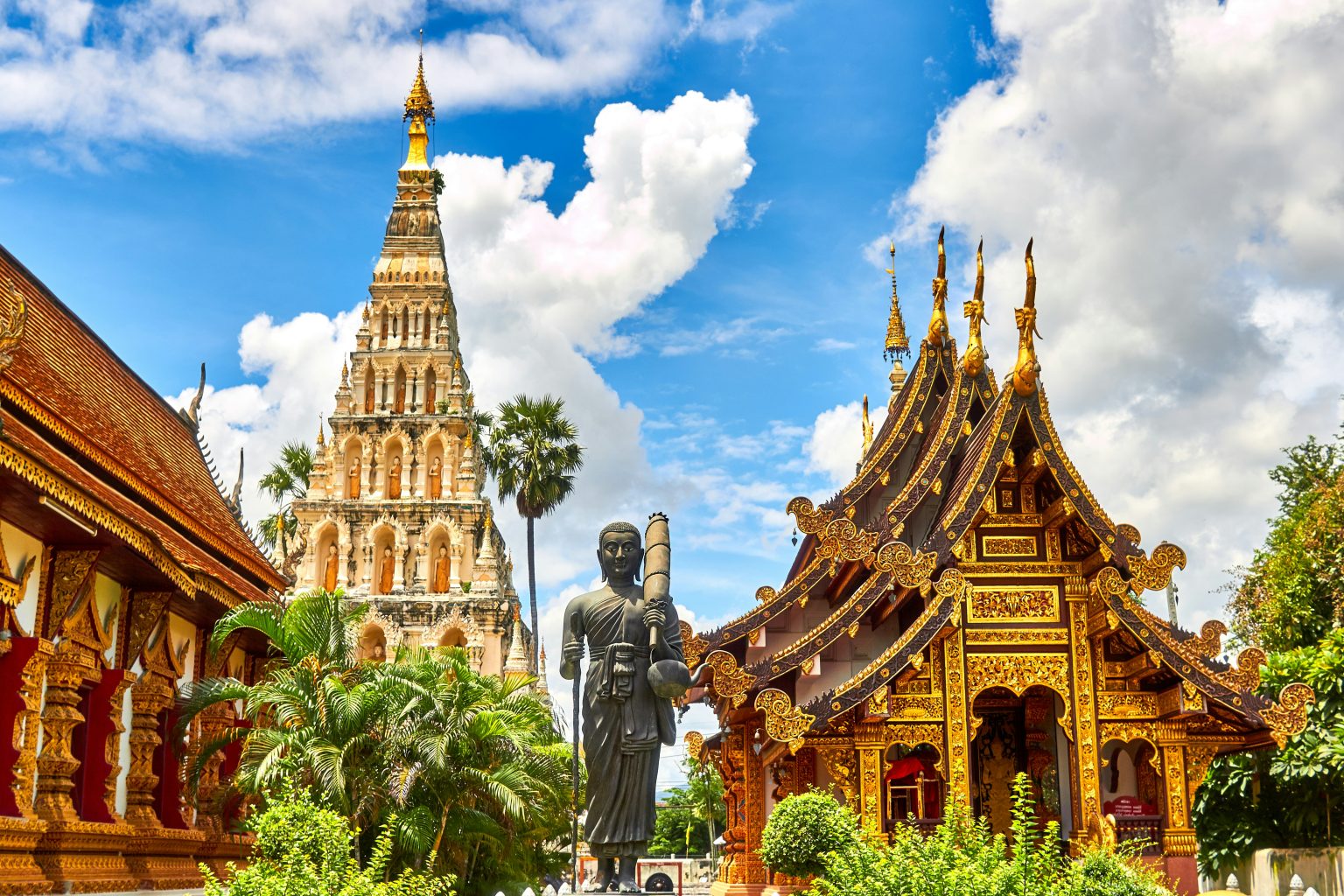
The northern provinces of Thailand, centered around the city of Chiang Mai, offer a distinct cultural experience shaped by the history of the Lanna Kingdom and the rugged geography of the highlands. This region is characterized by its cooler climate, its forested mountains, and a pace of life that is noticeably slower than that of the southern plains. The heritage of the north is visible in its specific architectural style, characterized by low sweeping roofs and intricate woodcarvings, as well as in the local dialect and the traditional dress. Exploring the north provides a window into the spiritual and artistic foundations of the Thai people, where the relationship with nature and the preservation of ancient skills are prioritized.
Exploration of the northern landscapes typically involves moving between the historic city centers and the remote mountain villages that are home to various ethnic hill tribes. Travelers often find themselves on winding roads that lead to high altitude temples or through the dense canopy of the national parks. The experience is defined by a sense of serenity and a focus on the natural environment, with many visitors participating in outdoor activities such as hiking, bird watching, and visiting ethical wildlife sanctuaries. There is a strong emphasis on the concept of sustainable and community based tourism, where the goal is to provide meaningful interaction with the local people while supporting their traditional way of life.
Chiang Mai serves as the primary cultural hub, containing hundreds of temples within and around its historic walled center. Locations such as Wat Phra That Doi Suthep, perched on a mountain overlooking the city, provide a profound sense of spiritual history and architectural beauty. Further north, the city of Chiang Rai offers a more contemporary and artistic perspective with the White Temple and the Blue Temple, which use traditional forms to express modern philosophical ideas. The surrounding Golden Triangle region, where the borders of Thailand, Laos, and Myanmar meet, provides a look at the complex history of trade and the efforts to transition the area toward sustainable agriculture and education.
The value of visiting the northern regions is found in the deep appreciation for the diversity of the Thai heritage. It offers a context for the different historical movements that have shaped the nation and the ways in which the local geography has influenced the development of the arts and social customs. For the traveler, the north provides a space for reflection and a connection to a more traditional and grounded version of Thai life. The commitment to conservation and the pride in the local culture ensure that the experience is both authentic and respectful. This engagement with the mountains and the heritage of the north is an essential part of understanding the breadth of the kingdom.
Coastal Ecology and Archipelago Exploration
The southern coastlines and islands of Thailand are among the most celebrated natural environments in the world, defined by their limestone cliffs, white sand beaches, and vibrant coral reefs. These regions are essential to the nation because they support a massive maritime economy and offer some of the most diverse marine ecosystems in the Southeast Asian region. The geography of the south is split between the Andaman Sea to the west and the Gulf of Thailand to the east, each offering a different seasonal rhythm and a unique set of coastal experiences. Exploring the south involves a focus on the beauty of the archipelago and the importance of protecting the fragile ecological balance of the marine parks.
General engagement with the coastal regions involves island hopping via traditional longtail boats or modern ferries to reach the various marine sanctuaries and hidden bays. Travelers often spend their time exploring the underwater world through diving and snorkeling or visiting the quiet fishing villages that maintain their maritime traditions. The experience is defined by the transition from the vibrant energy of the major resort areas to the silent beauty of the uninhabited islands and protected mangroves. There is a growing movement toward environmental awareness in these regions, with many initiatives focused on reef restoration, plastic reduction, and the promotion of low impact travel.
Krabi and its surrounding islands, such as the Phi Phi archipelago and the quiet shores of Koh Lanta, offer a primary example of the dramatic karst landscapes that define the Andaman coast. The limestone formations provide a spectacular backdrop for outdoor activities and a habitat for a wide variety of flora and fauna. In the Gulf of Thailand, the islands of Koh Samui, Koh Phangan, and Koh Tao provide a different experience, characterized by calmer waters and a focus on wellness and maritime education. Smaller, less visited islands like Koh Yao Noi offer a glimpse into the traditional coastal life that existed before the era of large scale tourism, where the focus remains on the local community and the preservation of the natural landscape.
The practical and experiential value of exploring the southern coasts lies in the recognition of the environmental richness of the Thai territory. It highlights the importance of the sea as a source of life and identity for the southern provinces and the challenges of managing the impact of human activity on the marine world. For the traveler, the south offers a sense of the vastness of the natural world and a chance to witness the beauty of a well preserved coastal environment. This connection to the water and the islands is a highlight of the Thai journey, providing a sensory and spiritual escape into the elements of the tropics.

Historical Foundations and the Ancient Kingdoms
To understand the modern state of Thailand, it is necessary to explore the ruins of the ancient kingdoms that served as its historical foundations. The archaeological parks of Ayutthaya and Sukhothai are central to the national narrative, representing the periods when the Thai people established their own political and cultural identity in the region. These sites are characterized by their massive brick structures, elegant Buddha statues, and the remnants of sophisticated urban planning that included complex water management systems. Exploring these ancient capitals provides a sense of the continuity and the resilience of the Thai civilization through centuries of conflict and change.
Exploration of these historical sites typically involves navigating expansive parks that have been recognized for their global significance as UNESCO World Heritage locations. Travelers often use bicycles or small electric vehicles to move between the various temple complexes and palace grounds, observing the different architectural influences from the Khmer and Mon empires. The experience is one of quiet history, where the weathered stone and the surrounding nature create an atmosphere of contemplation. There is a strong emphasis on the education of the visitor, with many sites providing detailed information on the historical context and the ongoing efforts to restore and protect the ruins for future generations.
Ayutthaya, located just north of Bangkok, serves as a powerful reminder of the period when the city was one of the largest and most prosperous in the world. The towering prangs of Wat Chaiwatthanaram and the famous Buddha head entwined in the roots of a banyan tree at Wat Mahathat are iconic symbols of this era. Sukhothai, located further north, offers a more serene and original look at the early days of the Thai state, with its elegant statues and the beautiful layout of its central park. The site is often regarded as the birthplace of Thai art and language, representing a golden age of peace and creativity that continues to be celebrated in the national memory.
The value of visiting these ancient capitals lies in the deep connection to the historical narrative of the kingdom. It offers a perspective on the origins of the Thai aesthetic and the social values that continue to influence the modern nation. For the traveler, these sites provide a tangible link to the past and a way to understand the scale and the ambition of the early Thai kingdoms. This engagement with the ruins is an essential part of a comprehensive journey, revealing the layers of history that underpin the vibrant reality of the contemporary state. The preservation of these sites is a testament to the value placed on the heritage and the memory of the ancestors.
Gastronomic Culture and Regional Palates
The food of Thailand is one of its most significant cultural exports and a primary way for visitors to connect with the local identity. The culinary tradition is defined by a sophisticated balance of five core flavors: sweet, sour, spicy, salty, and bitter. This complexity is the result of a diverse range of ingredients and cooking techniques that vary significantly across the different regions of the country. For the Thai people, food is a central part of social interaction and a source of immense regional pride. Exploring the culinary landscape involves moving from the bustling street markets of the cities to the specialized kitchens of the provincial heartlands.
Generally, the exploration of the food culture happens in a variety of settings, from the informal atmosphere of the night markets to the refined environment of Michelin recognized restaurants. Travelers often begin by sampling the widely recognized dishes such as Pad Thai or green curry, but they soon discover the depth of the regional specialties that define the local palate. The act of eating in Thailand is often a communal experience, where multiple dishes are shared among a group, allowing for a variety of textures and flavors in a single meal. The emphasis is always on the freshness of the herbs and the quality of the local produce.
In the Isan region of the northeast, the food is known for its intense heat and its focus on grilled meats and fermented flavors, reflecting the rugged and agricultural nature of the land. The southern provinces offer a different culinary experience, shaped by the abundance of seafood and the influence of the spice trade, resulting in rich, turmeric based curries and vibrant salads. In the north, the focus is on the mild and earthy flavors of the forest, with dishes like Khao Soi providing a comforting and unique taste of the highland culture. These regional differences show how the geography and the history of each province dictate the menu and shape the social life of the community.
The value of exploring the gastronomic culture lies in the way food serves as a bridge between the land and the people. It provides a sensory way to understand the history, the economy, and the values of a specific region. For the traveler, the commitment to culinary excellence ensures that every meal is an opportunity to learn about the diversity and the creativity of the Thai character. This focus on the table is an essential part of daily life and a highlight of the travel experience, offering a direct and delicious connection to the heart of the kingdom.

Sustainable Landscapes and Community Integration
As Thailand moves into a new era of travel, there is a growing emphasis on the concept of sustainable landscapes and the integration of the visitor into the life of the local community. This approach is essential for the long term health of the nation, as it seeks to balance the benefits of tourism with the protection of the environment and the preservation of social structures. This movement is visible in the development of community based tourism initiatives, where travelers can stay in local villages, participate in traditional agricultural activities, and learn from the people who have lived on the land for generations. Exploring these areas involves a focus on the human and ecological connections that define the rural provinces.
Exploration of these sustainable initiatives typically involves visiting rural areas that have traditionally been off the main transit corridors. Travelers find themselves in landscapes of terraced rice fields, organic farms, and coastal villages where the focus is on the health of the ecosystem and the well being of the residents. The experience is one of authentic immersion, where the interaction is based on mutual respect and a shared interest in the preservation of the local heritage. There is a strong emphasis on the use of traditional knowledge to solve modern environmental challenges, from sustainable fishing practices to the use of organic farming techniques.
The province of Nan in the north and the community of Takua Pa in the south provide excellent examples of this community focused approach. In Nan, the focus is on the preservation of the Lanna culture and the protection of the forested mountains through sustainable development. In Takua Pa, the community has worked to restore the historic old town and promote the Sino Portuguese heritage as a way to create a unique and meaningful experience for the visitor. These locations show how the modern traveler can contribute to the resilience of the local community while gaining a deeper understanding of the diversity and the strength of the Thai spirit.
The practical value of engaging with these sustainable landscapes lies in the recognition of the importance of the human element in travel. It highlights the role of the visitor as a partner in the preservation of the world and the ways in which travel can be used to support positive change. For the traveler, these experiences offer a sense of perspective and a chance to witness the beauty of a society that values its connection to the land and the community. This focus on sustainability and integration is a vital part of the future of Thai travel and a meaningful way to engage with the culture in a deep and lasting way.
Reflecting on Thailand as a whole reveals a nation that is defined by its ability to navigate the complexities of the modern world while maintaining a deep and abiding respect for its traditional soul. The experience of the country is one of constant movement and discovery, where the transition from a modern urban center to a quiet mountain temple or a hidden coastal bay can occur in a matter of hours. This balance between the past and the future is the foundation of the Thai identity, providing the nation with a unique resonance that continues to attract visitors from all over the world. For the traveler, Thailand offers a profound lesson in the value of hospitality, the beauty of the natural world, and the importance of preserving the joy and the spiritual grounding of daily life.
The journey through the kingdom is best approached with a sense of intentionality and a willingness to embrace the varied rhythms of the local existence. By moving between the grand scale of the historical monuments and the intimate details of the village life, travelers can begin to see the underlying values that connect the different facets of the culture. It is a destination that encourages personal discovery and a flexible approach to exploration, where the most meaningful moments often occur in the quiet spaces between the famous landmarks. Ultimately, a visit to Thailand is an invitation to witness a society that finds meaning in both the high speed progress of the present and the enduring traditions of the ancient past.