




Japan is an archipelago defined by a striking contrast between its dense urban centers and its quiet volcanic interior. Located in East Asia, the country consists of four main islands that stretch across a variety of climatic zones, from the snowy peaks of the north to the subtropical climates of the south. Its culture is a layered accumulation of indigenous Shinto beliefs, imported Buddhist philosophies, and a rapid modernization that occurred during the twentieth century. This geographic and historical complexity has resulted in a nation where high speed technology and ancient rituals exist in a state of constant, visible proximity.
Travelers arriving in Japan for the first time typically seek a balance between the hyper modern energy of the cities and the preserved tranquility of the rural provinces. The experience is often defined by a high level of social order, a deep respect for craftsmanship, and a sensory immersion in environments that feel both futuristic and deeply rooted in the past. Visitors are drawn to the precision of the rail networks, the meticulous presentation of the local cuisine, and the silent dignity of the mountain shrines. It is a destination that requires a willingness to observe small details and a readiness to engage with a culture that values subtle interactions.
This article explores the primary destinations and cultural experiences that offer a comprehensive introduction to the Japanese islands. It examines the significance of the capital city as a hub of modern innovation, the historical importance of the former imperial capitals, and the role of the natural landscape in shaping national identity. The following sections also look at the regional variations in food and local crafts, providing a framework for understanding how different parts of the country contribute to its collective character. By focusing on these essential areas, travelers can develop a deeper connection with the traditions and modern realities of this unique island nation.

Urban Life and Modern Innovation
The urban landscape of Japan serves as a primary point of entry for many visitors and represents the nation’s rapid evolution into a global leader of technology and design. These cities are central to the Japanese experience because they demonstrate how a massive population can thrive within a limited geographic space through efficiency and collective cooperation. The urban centers are not merely places of commerce but are complex ecosystems where traditional neighborhood life persists beneath the shadows of skyscrapers. Understanding these spaces provides a clear view of the social cohesion and creative energy that drive the modern state.
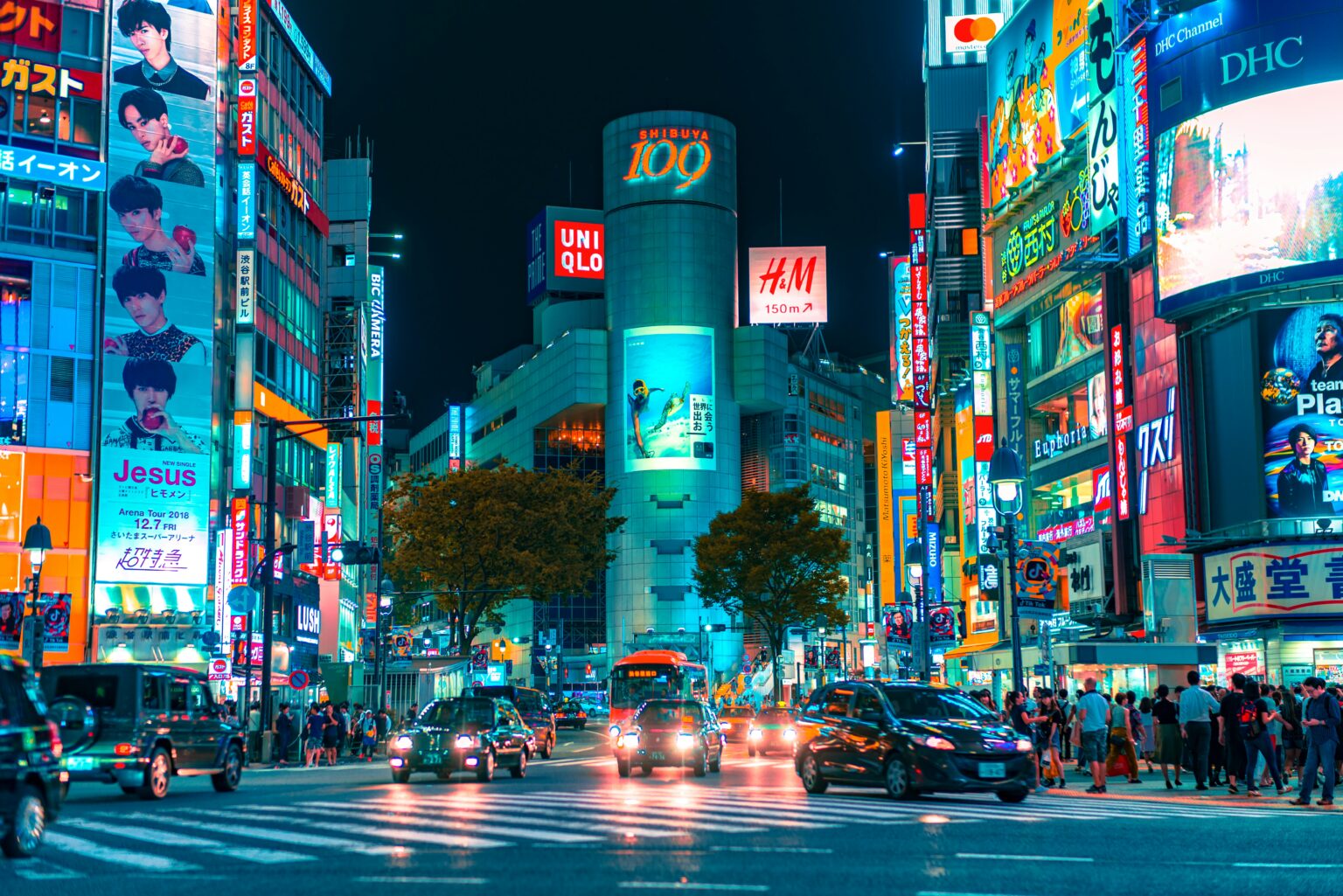
General exploration in these metropolitan areas involves navigating a sophisticated network of trains and subways that connect diverse districts, each with its own distinct atmosphere. Travelers typically spend time moving between high rise business zones, neon lit entertainment corridors, and quiet residential pockets where small shrines and family run shops remain unchanged. The sensory experience is intense, characterized by the sounds of transit announcements, the visual density of vertical advertising, and the orderly flow of pedestrians through massive intersections. It is an environment that rewards those who explore both the grand avenues and the narrow side streets.
Tokyo stands as the most prominent example of this urban complexity, offering a vast array of districts such as Shinjuku and Shibuya that showcase the height of modern consumer culture. In these areas, visitors can witness the sheer scale of the city from observation decks or immerse themselves in the bustling atmosphere of the world’s busiest railway stations. Conversely, neighborhoods like Yanaka or the outer reaches of the Sumida River provide a glimpse into the older, low rise versions of the city that existed before the era of glass and steel. These locations allow for a study of how the city preserves its past while constantly building toward the future.
The practical value of engaging with the major cities lies in understanding the logistical and social foundations of Japanese life. It provides a perspective on how the country manages the challenges of urbanization through design and social etiquette. By observing the daily routines of the city, from the morning commute to the evening social gatherings in local eateries, visitors gain insight into the resilience and adaptability of the population. This urban exploration is a necessary component of a first visit, as it sets the stage for the more traditional and rural experiences found elsewhere in the country.

Imperial History and Traditional Architecture
While the modern cities represent the current trajectory of the nation, the former capital regions offer a preserved look at the foundations of Japanese governance and religious life. These areas are essential for understanding the historical narrative of the country, as they house the structures that have defined the imperial and spiritual identity of the people for over a thousand years. The architecture in these regions is characterized by the use of natural wood, intricate joinery, and a layout that emphasizes a harmonious relationship with the surrounding gardens and hills. Exploring these sites provides a sense of continuity that is vital to the national psyche.
Travelers typically engage with this historical aspect by visiting temple complexes, shrines, and former palace grounds that have been maintained through meticulous restoration. The experience is often characterized by a shift in pace, as the focus moves from the rapid movement of the city to the slow observation of architectural details and landscape design. Visitors learn to distinguish between the austere simplicity of Zen Buddhist structures and the vibrant colors of Shinto shrines. The environment encourages quiet contemplation and a focused study of the artistic movements that flourished under the patronage of the imperial court and the samurai class.
Kyoto serves as the epicenter of this traditional heritage, containing thousands of temples and shrines that survived the conflicts of the twentieth century. Locations such as the wooden platform of Kiyomizu dera or the silver pavilion of Ginkaku ji provide a tangible connection to the aesthetic values of the past. Nearby, the city of Nara offers a look at the even earlier foundations of the Japanese state, with its massive wooden hall at Todai ji and the freely roaming deer that are considered messengers of the gods. These sites are not mere relics but remain active centers of spiritual and community life, hosting seasonal festivals and daily rituals.
The value of visiting these historical regions is found in the deep appreciation for the longevity of Japanese culture. It offers a context for the social values and aesthetic preferences that continue to influence modern design and behavior. By walking through these ancient spaces, travelers can perceive the influence of the seasons on the architecture and the way in which the built environment is meant to reflect the transience of life. This engagement with the past is fundamental to understanding the soul of the country beyond its modern exterior.

Natural Landscapes and Spiritual Geography
The natural environment in Japan is deeply intertwined with the spiritual beliefs of its people, where mountains, forests, and waterfalls are often regarded as sacred spaces. This relationship with the landscape is a defining characteristic of the country, as the rugged and volcanic terrain has dictated where people live and how they perceive their place in the world. For the visitor, the natural regions provide a necessary contrast to the density of the urban areas and an opportunity to see how the Japanese people have historically revered and protected their wilderness. The landscape is a source of both artistic inspiration and national pride.
Exploration of the natural world in Japan usually involves visiting national parks, coastal areas, and mountain retreats that are accessible via the extensive rail and bus networks. Travelers often find themselves on well maintained hiking trails that lead to remote shrines or vantage points overlooking the volcanic peaks. The experience is defined by a change in the sensory palette, where the sounds of water and wind replace the hum of the city. There is also a strong emphasis on the seasonal changes, with specific locations becoming famous for their spring blossoms, summer greenery, autumn leaves, or winter snowscapes.
Mount Fuji is the most iconic representation of this spiritual geography, serving as a focal point for art and pilgrimage for centuries. Whether viewed from the shores of the Five Lakes or from the hiking paths of the surrounding mountains, its symmetrical cone is a constant reminder of the volcanic forces that shaped the islands. Other areas, such as the cedar forests of Nikko or the mountain temples of Mount Koya, offer a different experience where the natural and the spiritual are completely integrated. In these places, the ancient trees and rocky paths are as much a part of the religious experience as the buildings themselves.
Engaging with the natural landscapes provides a deeper understanding of the Japanese concept of nature as something to be respected rather than conquered. It reveals the origins of many Japanese aesthetic principles, such as a preference for asymmetry and an appreciation for the raw beauty of natural materials. For the traveler, these experiences offer a sense of perspective and a chance to witness the environmental diversity that exists within a relatively small geographic area. This connection to the land is a vital part of the Japanese identity and a key element of a comprehensive journey through the islands.

Culinary Traditions and Regional Specialties
The food of Japan is a primary form of cultural expression, defined by a deep respect for seasonality, regional ingredients, and meticulous preparation. For the first time visitor, the culinary landscape is a source of constant discovery, as each region prides itself on specific dishes and techniques that are not found elsewhere. The culinary philosophy is rooted in the idea of enhancing the natural flavor of the ingredients rather than masking them with heavy sauces. This commitment to quality and presentation has made Japanese cuisine one of the most respected in the world.
Generally, the exploration of food happens across a variety of settings, from the high end counters of specialized restaurants to the informal atmosphere of street markets and local taverns. Travelers often begin by sampling the well known staples such as sushi, ramen, and tempura, but they soon discover the vast world of regional specialties. The act of eating in Japan is often a communal and educational experience, where the chef might explain the origin of a specific fish or the history of a particular cooking method. The emphasis is always on the freshness of the product and the harmony of the meal.
Osaka is frequently cited as the culinary capital of the country, known for its vibrant street food culture and a more relaxed approach to dining. Here, visitors can engage with a history of merchant culture that prioritized flavor and accessibility, leading to the development of popular dishes like savory pancakes and octopus snacks. In contrast, the coastal towns of the Hokuriku region offer a focus on the bounty of the Sea of Japan, where the winter crab and seasonal yellowtail are the primary attractions. These specific examples show how the local geography dictates the menu and shapes the social life of the community.
The value of exploring the culinary traditions lies in the way food serves as a bridge between the land and the people. It provides a sensory way to understand the history and the economy of a specific province. For the traveler, the commitment to culinary excellence ensures that every meal is an opportunity to learn about the values of precision and hospitality that are central to the Japanese character. This focus on the table is an essential part of daily life and a highlight of the travel experience.
Craftsmanship and the Arts of Daily Life
A significant part of the Japanese identity is found in the tradition of monozukuri, or the art of making things with great care and skill. This commitment to craftsmanship extends from the highest forms of fine art to the simple objects used in daily life, such as ceramics, textiles, and lacquerware. For the visitor, these crafts provide a window into the regional histories and the dedication to perfection that characterizes many aspects of Japanese society. The preservation of these traditional skills in a modern, industrial nation is a testament to the value placed on heritage and the continuity of knowledge.
Travelers engage with this aspect of the culture by visiting artisan workshops, regional museums, and specialized districts where traditional crafts are still produced. The experience often involves observing the slow, methodical process required to create a single object, whether it is the weaving of a silk kimono or the forging of a kitchen knife. Many regions have become synonymous with a specific craft, and visiting these areas allows for a direct interaction with the artisans who have spent decades mastering their trade. It is a world of quiet focus and deep technical expertise.
Kanazawa is a primary destination for those interested in traditional arts, as the city was a center of culture and wealth during the feudal era. Today, it remains a place where gold leaf application, silk dyeing, and high quality pottery are part of the local economy and identity. Similarly, the mountain town of Takayama is famous for its history of carpentry and woodcarving, which is evident in the beautifully preserved buildings of its old town. These locations offer a chance to see how traditional skills are adapted to contemporary needs while maintaining their historical integrity.
The practical and experiential value of exploring these crafts is found in the appreciation for the human element in production. It offers a counterpoint to the mass produced nature of the modern world and highlights the importance of patience and discipline. By understanding the effort required to produce these traditional items, travelers can gain a greater respect for the objects they encounter during their journey. This focus on craftsmanship is a vital part of the Japanese story and a meaningful way to engage with the culture.
Regional Diversity and the Inner Provinces
While the major cities and coastal areas receive the most attention, the interior provinces of Japan offer a different perspective on the diversity of the archipelago. These regions are often characterized by a more agricultural focus and a slower pace of life, where the traditions of the village remain central to the community. For the visitor who moves beyond the primary transit corridors, the inner provinces provide a look at the rural realities of the country and the challenges of maintaining traditional life in a changing world. This regional diversity is what gives Japan its depth and complexity.
General exploration of these less visited areas often involves the use of local rail lines or rented vehicles to reach remote valleys and plateau regions. Travelers find themselves in landscapes of terraced rice fields, fruit orchards, and traditional farmhouse settlements with thatched roofs. The interaction with local residents is often more personal in these areas, providing a sense of the hospitality and regional pride that defines the countryside. It is an environment that encourages slow travel and a focus on the relationship between the community and the surrounding land.
The Tohoku region in the north is an excellent example of this rural character, known for its dramatic coastlines, hot spring villages, and large scale seasonal festivals that celebrate the harvest and the spirits of the ancestors. In the south, the island of Kyushu offers a different experience with its active volcanoes, historic thermal baths, and a long history of international trade through its port cities. These areas demonstrate that the Japanese experience is not uniform but is composed of many different local narratives that are tied to the specific geography of each province.
The value of visiting these diverse regions lies in the recognition of Japan as a collection of unique local cultures. It challenges the idea of a monolithic national identity and shows how the environment influences everything from dialect to architecture. For the traveler, this exploration provides a more complete and nuanced picture of the country, revealing the quiet strength and resilience of the provincial communities. It is a reminder that the heart of the country is often found in the places that are furthest from the bright lights of the capital.
Reflecting on Japan as a whole reveals a nation that has successfully navigated the complexities of maintaining its ancient identity while becoming a leading force in the modern world. The experience of the country is one of constant discovery, where the transition from a neon lit street to a silent temple courtyard can happen in a matter of seconds. This balance between the past and the future is not a source of conflict but a defining characteristic that provides the country with its unique resonance. For the visitor, Japan offers a profound lesson in the value of social order, the beauty of the natural world, and the importance of preserving the skills of the hand and the mind.
The journey through the islands is best approached with a sense of intentionality and a willingness to embrace the unfamiliar rhythms of Japanese life. By moving between the grand scale of the cities and the intimate details of the rural provinces, travelers can begin to see the underlying values that connect the different facets of the culture. It is a destination that encourages personal discovery and a flexible approach to exploration, where the most meaningful moments often occur in the quiet spaces between the famous landmarks. Ultimately, a visit to Japan is an invitation to witness a society that finds meaning in both the high speed progress of the present and the enduring traditions of the past.