




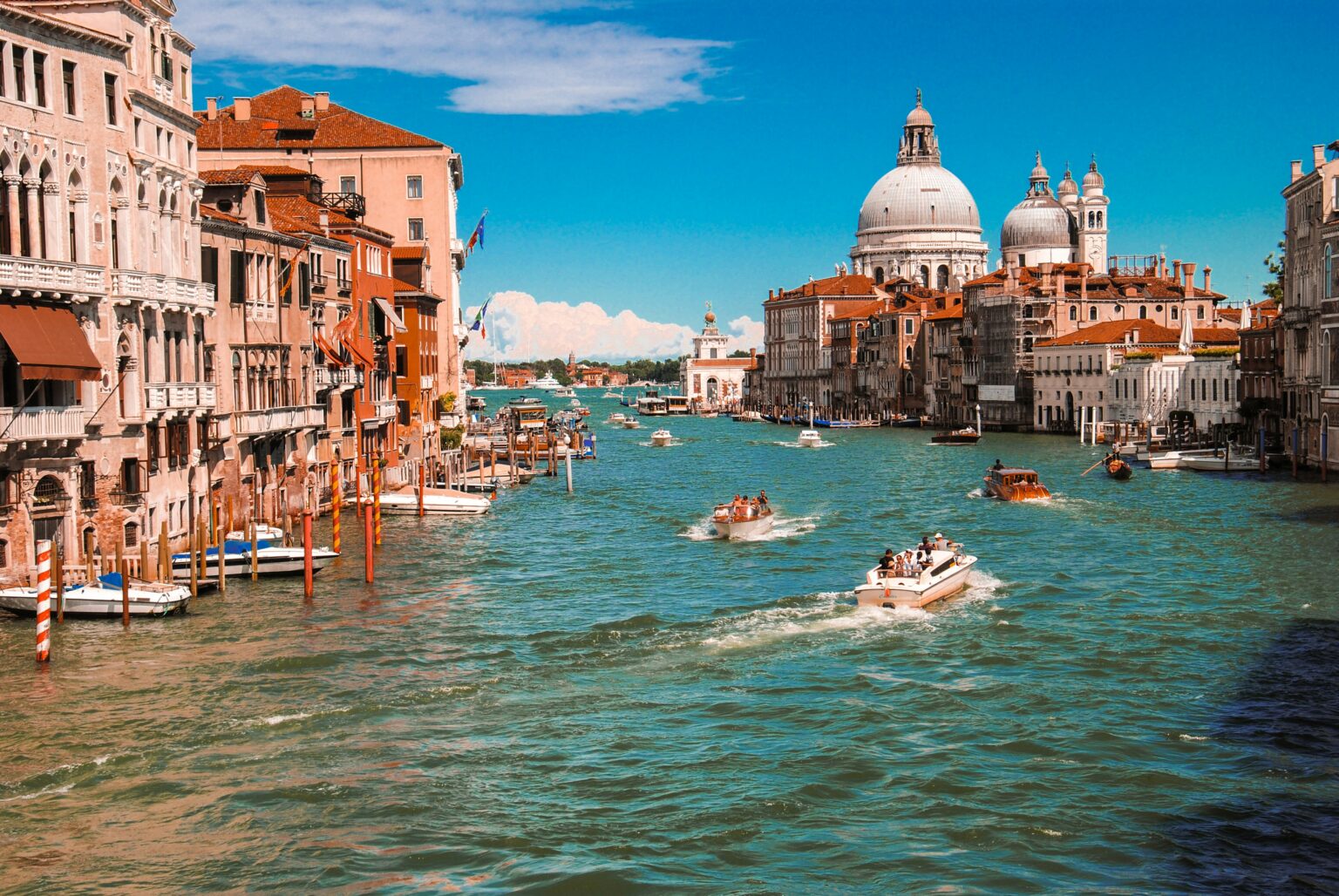
Italy occupies a unique position in the Mediterranean, defined by a geography that stretches from the rugged peaks of the Alps to the volcanic landscapes of the south. Its history is layered across millennia, evident in the architecture of its cities and the traditions of its rural provinces. The country serves as a cultural anchor for Western Europe, offering a diverse array of environments that range from fertile plains and vineyards to dramatic coastal cliffs.
Travelers often visit Italy to engage with a lifestyle that prioritizes history, art, and the preservation of local customs. The experience is typically defined by a slower pace of movement, where the focus shifts from ticking off landmarks to observing the nuances of regional identities. Whether exploring a quiet village or a major urban center, the distinct character of each province provides a sense of discovery that feels both familiar and deeply complex.
This article explores the primary regions and cities that define the Italian travel experience. It examines the significance of historical urban centers, the variety of natural landscapes, and the ways in which regional heritage shapes the modern identity of the country. By focusing on essential regions and cultural landmarks, the following sections provide a framework for a meaningful exploration of the Italian peninsula.

Historical Urban Centers and Architectural Heritage
The cities of Italy function as living museums, where centuries of architectural evolution remain visible in the modern streetscape. These urban environments are central to the Italian identity because they house the foundations of Western art, law, and governance. Understanding these spaces requires looking beyond the monuments to see how ancient structures continue to integrate with contemporary daily life.
General exploration of these cities involves navigating dense historical cores that were often designed long before the advent of modern transport. Travelers move through narrow passages and expansive plazas, observing the transition from Roman ruins to Renaissance palaces and Baroque facades. This layering of eras creates a unique urban rhythm where history is not confined to galleries but is part of the public sphere.
Rome serves as a primary example, where the remnants of the Roman Forum and the Colosseum stand alongside the religious significance of Vatican City. Further north, Florence provides a different perspective, acting as a repository for Renaissance thought and artistic mastery within its concentrated medieval center. These locations offer a profound look at the shifts in European power and creativity over hundreds of years.
Engaging with these historical centers provides a necessary foundation for any visit. It allows for a deeper appreciation of how past civilizations have shaped the present and offers a clear view of the artistic achievements that continue to influence global culture. The architectural density of these cities ensures that even a short walk reveals significant insights into the heritage of the region.
Coastal Regions and Maritime Traditions
Beyond the inland cities, the Italian coastline offers a different perspective on the relationship between geography and community. The maritime borders of the country have historically facilitated trade, migration, and a distinct way of life that remains tied to the sea. These regions are characterized by steep terrain and coastal settlements that have adapted to challenging natural environments over generations.
Exploring the coast typically involves moving between small villages that are often perched on cliffs or tucked into narrow bays. Travelers observe the architectural ingenuity required to build in these areas, where colorful houses are stacked against the rock and terraced gardens produce local staples. The pace here is dictated by the sea and the seasonal cycles of the Mediterranean.
The Amalfi Coast and the Cinque Terre are representative of this maritime character, with their steep footpaths and historic harbors. In these areas, the focus remains on the preservation of traditional fishing practices and the cultivation of citrus groves on near vertical slopes. The atmosphere is one of resilience and aesthetic harmony with the natural world.
The value of visiting these coastal areas lies in witnessing the intersection of human habitation and rugged nature. It offers a contrast to the monumental scale of the cities, highlighting a more intimate and localized way of existence. This maritime heritage is essential to understanding the broader Italian narrative and its connection to the wider Mediterranean basin.

Northern Landscapes and Alpine Influence
While the south is defined by its heat and sea, the northern reaches of the country are shaped by the presence of the Alps and the great lakes. This region provides a transition between Mediterranean Europe and the central continent, resulting in a culture that feels distinct from the coastal or central provinces. The landscape here is one of high altitudes, deep valleys, and glacial waters.
Travelers engage with the north through outdoor exploration and the study of its refined urban planning. The area encourages a focus on the natural environment, whether through the transit of mountain passes or the quiet observation of the lakefronts. The influence of neighboring European cultures is often visible in the local dialects, architecture, and social structures.
The Dolomites offer a starkly different visual experience with their limestone peaks and expansive meadows, providing a space for reflection on the power of the natural landscape. Nearby, the Italian Lake District, including Lake Como and Lake Garda, showcases a long history of leisure and botanical interest. These areas reflect a sophisticated approach to integrating grand villas and gardens with the surrounding water and mountains.
The northern regions contribute a sense of variety to the Italian experience, proving that the country is far from a monolith. Visiting these areas allows for an appreciation of the environmental diversity that exists within the peninsula. It highlights the importance of the mountains in shaping the climate, economy, and character of the northern provinces.

Culinary Heritage and Agricultural Roots
Food in Italy is inseparable from the land and the history of its people, serving as a primary means of cultural expression. Each region maintains its own culinary identity, which is strictly governed by the availability of local ingredients and the traditions passed down through families. This commitment to regionalism ensures that the act of eating is also an act of learning about the history of a specific place.
General exploration of the culinary landscape occurs in local markets, small workshops, and regional kitchens. Travelers find that the most authentic experiences are found in areas that specialize in a single product, such as a specific type of cheese, cured meat, or grain. The emphasis is always on the quality of the raw material and the simplicity of the preparation.
Emilia Romagna is often regarded as a central hub for this agricultural heritage, known for its production of balsamic vinegar, parmesan cheese, and handmade pasta. In the south, Sicily offers a different palate, influenced by centuries of cross cultural exchange that introduced spices, citrus, and sugar to the island. These specific examples demonstrate how geography and history dictate the flavors of each province.
Understanding the culinary traditions provides a direct link to the rural heart of the country. It reveals the importance of the land and the labor required to sustain these long standing traditions. For the visitor, this engagement offers a sensory way to connect with the identity of a region that is both practical and deeply meaningful.
Island Traditions and Mediterranean Isolation
The islands of Sicily and Sardinia represent a distinct facet of the Italian experience, where isolation has allowed for the preservation of unique languages and customs. These landmasses have been shaped by successive waves of conquest and trade, resulting in a cultural layer that is different from the mainland. The pace of life and the social structures often reflect a more traditional approach to community.
Exploration on the islands usually involves traveling through varied terrain that includes volcanic mountains, ancient ruins, and arid plains. Visitors observe a blend of influences that range from Greek and Roman to North African and Norman. The architecture and the local festivals often reflect this diverse heritage, creating a complex social fabric.
Sicily is home to significant archaeological sites like the Valley of the Temples, which provides insight into the ancient Greek presence in the Mediterranean. Sardinia, conversely, is known for its prehistoric stone structures and its rugged interior, where pastoral traditions remain central to the local economy. Both islands offer a sense of stepping back into a more ancient version of the Mediterranean world.
These island regions emphasize the importance of regional autonomy and the impact of geography on cultural development. They provide a necessary counterpoint to the more modernized areas of the mainland, offering a look at a way of life that remains closely tied to the cycles of the land and sea.
Italy remains a destination that rewards the patient and intentional traveler. The diversity found between its northern peaks and its southern islands ensures that the experience of the country is never static. By moving through its varied landscapes and engaging with its deep historical roots, visitors gain a more nuanced understanding of how tradition and modernity coexist. The country encourages a flexible approach to exploration, where the most significant insights often come from observing the quiet details of daily life. Ultimately, a visit to Italy is an exercise in appreciating the enduring power of culture and the resilience of a heritage that continues to shape the contemporary world.