




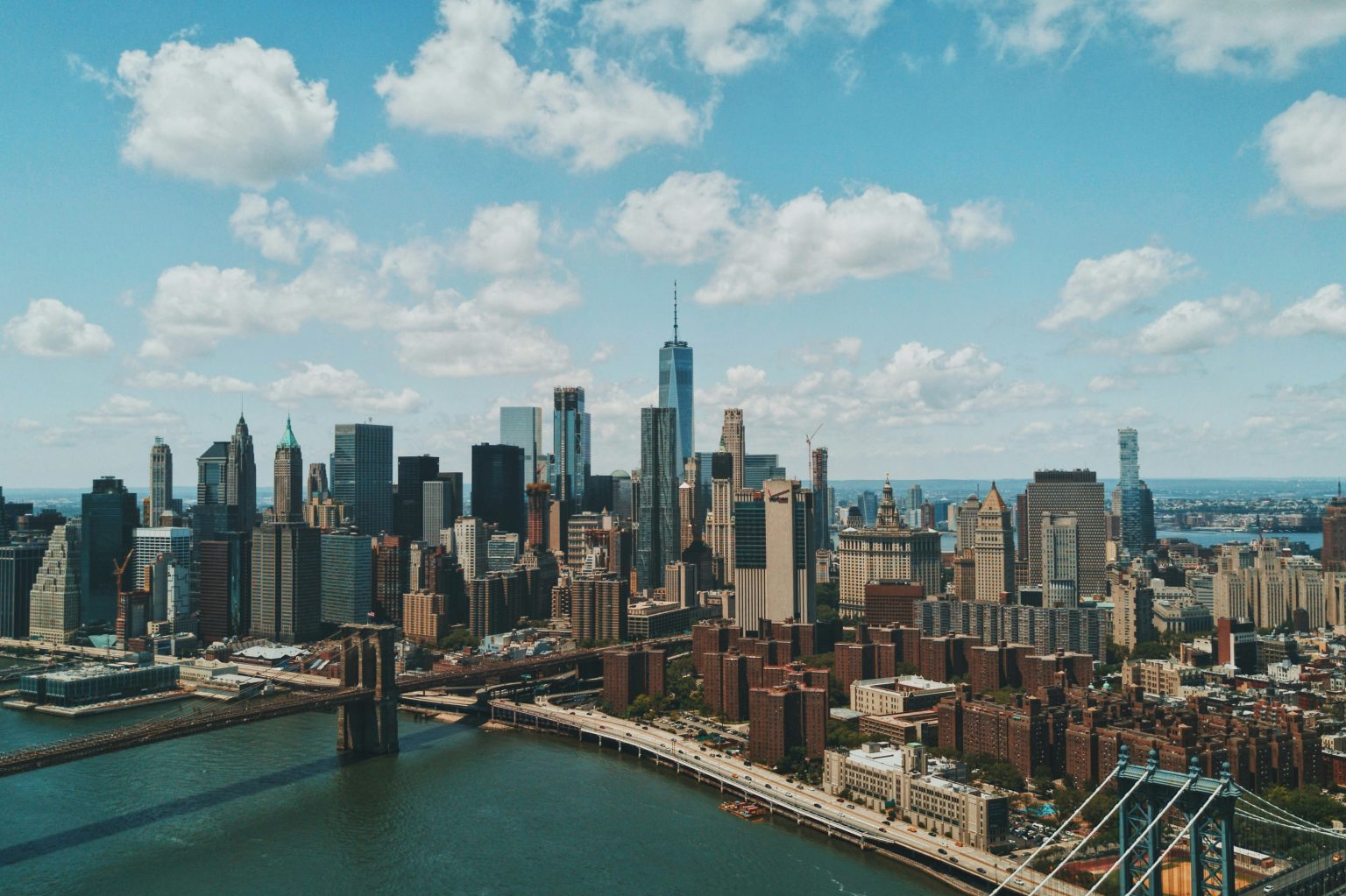
New York City occupies a unique position in the global imagination, functioning as a sprawling theater of human ambition and a primary engine of cultural and financial influence. Situated at the mouth of the Hudson River on one of the world’s largest natural harbors, the city has evolved from its seventeenth century origins as a Dutch trading post into a complex metropolis of five distinct boroughs. Its history is inextricably linked to the waves of immigration that have shaped its neighborhoods, languages, and traditions, creating a social fabric that is both dense and incredibly varied. The territory is defined by its verticality, where iconic limestone towers from the early twentieth century stand alongside the reflective glass of contemporary skyscrapers, all resting upon a grid system that facilitates a relentless and infectious energy.
Travelers arriving in New York City often seek to reconcile the cinematic version of the city with the tangible reality of its streets. The experience is framed by a constant dialogue between the grand scale of its public monuments and the intimate details of its local communities. In the current era, the city has increasingly focused on the revitalization of its industrial past, transforming elevated railways into parks and reclaiming its waterfronts for public use. This shift reflects a broader commitment to urban livability and a recognition of the importance of the public realm in a city that never truly pauses. Whether exploring the historic corridors of power or the quiet residential blocks of the outer boroughs, visitors find a destination that rewards curiosity and values the persistence of the individual spirit.
This article examines the essential experiences and locations that define the modern New York City landscape, balancing the classic landmarks with the nuances of local life. It explores the architectural significance of the skyline, the cultural depth of the major museums, and the social importance of the public parks. The narrative also looks at the role of the neighborhood as a source of identity, the diverse culinary traditions that feed the city, and the maritime history that continues to connect the boroughs. By focusing on the ways in which history and modernity intersect, the following sections provide a guide for a meaningful engagement with a city that serves as a microcosm of the global community. The exploration follows a path from the heights of the urban canyons to the edges of the Atlantic harbor, offering a framework for understanding the relentless vitality of the American metropolis.

Iconic Architecture and Vertical Perspectives
The skyline of New York City is perhaps its most recognizable feature, representing a physical manifestation of the city’s economic power and its historical role as a center of innovation. These vertical structures are more than mere buildings; they are orientation points that define the visual rhythm of the city and provide a sense of perspective on the scale of human achievement. The history of the New York skyscraper is a study in the evolution of engineering and aesthetics, moving from the decorative flourishes of the Art Deco era to the minimalist steel and glass of the present day. For the visitor, engaging with this verticality is an essential step in understanding the spatial logic of Manhattan and the city’s ongoing desire to reach new heights.
General exploration of the architecture involves navigating the different eras of development that are visible from the street level and from the various observation decks. Travelers often start in Midtown, where the density of historic landmarks is highest, and move toward the newer clusters of development in the Hudson Yards or the Financial District. The experience is defined by the contrast between the heavy stone foundations of the older structures and the transparency of the modern towers. There is a palpable sense of history in the lobbies and facades, where the craftsmanship of previous generations is preserved within the context of a functioning modern office environment. Observing the city from above allows for a recognition of the grid system and the way the natural geography of the islands continues to dictate the patterns of urban growth.
The Empire State Building remains the primary symbol of the city’s architectural heritage, offering a classic Art Deco experience and panoramic views that have defined the New York experience for nearly a century. Nearby, the Chrysler Building serves as a masterpiece of the same era, known for its stainless steel crown and its gargoyles that reflect the industrial spirit of the nineteen thirties. For a more contemporary perspective, One World Trade Center stands as a testament to resilience and modern engineering, rising to a symbolic height of seventeen hundred and seventy six feet. Newer observation platforms like the Summit One Vanderbilt or the Edge at Hudson Yards offer immersive and technologically advanced ways to view the city, utilizing glass floors and mirrored surfaces to create a sense of suspension within the urban landscape.
The value of visiting these architectural landmarks lies in the appreciation of the city as a living museum of urban design. it offers a perspective on how the physical environment can shape the identity and the ambition of a population. For the traveler, the verticality of New York provides a unique sense of place and a way to connect with the historical movements that have defined the American architectural tradition. Engaging with these structures is not just about the view from the top but about recognizing the ingenuity and the labor that have gone into creating one of the most complex built environments on earth. This focus on the skyline is a fundamental part of the New York narrative and a highlight of any visit to the center of the city.
Cultural Heritage and the Performing Arts
New York City serves as a global center for the arts, housing a collection of institutions and venues that represent the peak of cultural achievement across every discipline. The city’s cultural heritage is rooted in its role as a crossroads for ideas and a haven for the creative class, resulting in a density of museums, theaters, and galleries that is unmatched in the Western Hemisphere. The performing arts, in particular, are central to the city’s identity, with the traditions of Broadway and the experimental scenes of the outer boroughs providing a constant flow of narrative and musical innovation. Exploring the cultural landscape of New York involves an engagement with the history of human creativity and the ways in which art can reflect and challenge the social reality of the time.
Engagement with the cultural scene typically involves a mix of visits to the major encyclopedic museums and attendance at the various live performances that take place every evening. Travelers move through the halls of history on the Museum Mile and then transition to the neon lit intensity of the Theater District. The experience is defined by the variety of the offerings, where a thousand year old artifact can be found just blocks away from a cutting edge digital installation. There is a strong emphasis on the accessibility of the arts, with many institutions offering public programs, tours, and outdoor performances that integrate the cultural life of the city into the daily routines of the residents.
The Metropolitan Museum of Art, known as the Met, is the cornerstone of this cultural landscape, containing over two million works that span five thousand years of human history. Its vast galleries allow for a journey from ancient Egypt to the modern American wing, providing a comprehensive view of the global artistic tradition. In Midtown, the Museum of Modern Art, or MoMA, offers a more focused look at the evolution of modernism and the avant garde movements of the twentieth century. The performing arts find their primary stage on Broadway, where the historic theaters continue to host the most significant musical and dramatic productions in the world. Beyond the commercial center, locations like the Lincoln Center for the Performing Arts provide a dedicated space for opera, ballet, and classical music, maintaining the city’s status as a premier destination for the high arts.
The practical value of exploring these cultural institutions lies in the exposure to the diversity and the depth of the human experience. It provides a way to understand the historical context of the city and the artistic movements that have emerged from its unique social environment. For the traveler, the cultural life of New York offers a sense of connection to the wider world and an opportunity to witness the highest levels of artistic skill and expression. This engagement with the arts is a necessary component of the New York experience, revealing the intellectual and creative energy that fuels the city’s ongoing evolution. The commitment to the preservation and the promotion of culture ensures that the city remains a vital site for the exchange of ideas and the celebration of the human spirit.

Public Parks and Urban Respite
In a city as dense and fast paced as New York, the public parks and green spaces function as essential sites of respite and social cohesion. These areas are known as the lungs of the city, providing a necessary contrast to the stone and steel of the urban grid and offering a space for recreation, reflection, and community gathering. The history of New York’s parks is one of visionary planning and democratic ideals, based on the belief that access to nature and open space is a fundamental right for all citizens. Exploring the parks allows for a look at the ways in which the city manages its natural resources and the role of the public realm in maintaining the mental and physical health of the population.
General exploration of the parks involves moving through a variety of landscapes that range from formal gardens and wooded paths to reclaimed industrial sites and active waterfronts. Travelers often use these spaces as a way to slow down and observe the local life of the city, where people from all walks of life come together to walk, play, and engage in public discourse. The experience is defined by the seasonal changes of the foliage and the constant activity of the residents, who utilize the parks as their communal backyards. There is a strong focus on the design of these spaces, where the goal is to create a sense of tranquility and beauty within the heart of the metropolitan environment.
Central Park remains the most significant example of this urban park tradition, designed by Frederick Law Olmsted and Calvert Vaux in the nineteenth century as a democratic space for all New Yorkers. Its eight hundred and forty three acres include iconic locations such as the Bethesda Terrace, the Strawberry Fields memorial, and the vast Sheep Meadow. On the West Side, the High Line offers a modern interpretation of the public park, built on a historic elevated freight rail line that has been transformed into a lush walkway with art installations and views of the Hudson River. Bryant Park, situated behind the New York Public Library, provides a more intimate and urban experience, known for its green lawn, its seasonal markets, and its role as a social hub in the center of Midtown.
The value of visiting the city’s parks lies in the recognition of the importance of the public commons in a modern society. It highlights the efforts to create a livable and sustainable urban environment that prioritizes the well being of the people. For the traveler, the parks of New York offer a space for rest and a chance to see the city from a different perspective, away from the noise and the intensity of the commercial districts. This connection to the green spaces is a vital part of the New York story and a highlight of any journey through the boroughs. The preservation and the activation of these parks ensure that the city remains a place where the natural and the urban worlds can coexist in a productive and beautiful harmony.

Residential Neighborhoods and Local Street Life
Beyond the major landmarks and commercial hubs, the true character of New York City is found in its residential neighborhoods and the local street life that defines the daily experience of its residents. Each neighborhood functions as a distinct community with its own history, architecture, and social atmosphere, often rooted in the ethnic and cultural identity of the people who live there. Exploring these areas involves a move away from the high traffic tourist zones and an engagement with the textures of the city, from the brownstone lined streets of the West Village to the historic corridors of Harlem and the industrial charm of Brooklyn. This focus on the local allows for a deeper understanding of the city as a collection of villages and a space where the individual and the community intersect.
Exploration of the neighborhoods is best approached by walking, as it allows for the observation of the small details that create the local atmosphere. Travelers often visit the local bakeries, the independent bookstores, and the neighborhood plazas that serve as the centers of social life. The experience is defined by the variety of the visual landscape, where the scale of the buildings drops and the pace of life becomes more personal. There is a sense of discovery in finding a quiet courtyard or a vibrant street mural that reflects the creative spirit of the area. Engaging with the local street life provides a window into the reality of New York living, where the public space is an extension of the home and the community is built through daily interactions.
The West Village offers a classic New York experience with its narrow, winding streets and its well preserved nineteenth century architecture. It is a neighborhood with a deep history of bohemian culture and social activism, visible in its jazz clubs and historic sites like the Stonewall Inn. In Northern Manhattan, Harlem serves as a center of African American heritage and the birthplace of the Harlem Renaissance, with a vibrant arts scene and beautiful historic brownstones along its wide boulevards. Across the East River, the neighborhood of DUMBO in Brooklyn provides a look at the city’s industrial past, with its cobblestone streets and converted warehouses offering spectacular views of the Manhattan Bridge and the Financial District. Each of these areas provides a different perspective on the New York identity and the ways in which history is preserved within the living fabric of the city.
The practical value of exploring the residential neighborhoods lies in the authentic connection to the people and the culture of the city. It offers a perspective on the diversity of the New York population and the ways in which different communities have made their mark on the urban environment. For the traveler, the local life of New York provides a sense of belonging and an opportunity to see the city as a place where people live, work, and create. This engagement with the neighborhoods is a vital part of a comprehensive visit, revealing the human scale of the metropolis and the strength of the communal ties that bind the city together. The richness of the local street life is what gives New York its enduring soul and its constant sense of renewal.
Global Gastronomy and the Culinary Public Sphere
The food culture of New York City is a direct reflection of its status as a global crossroads, offering a culinary landscape that is as diverse and dynamic as the population itself. For New Yorkers, food is a primary way to maintain cultural traditions and to participate in the public life of the city. The gastronomic scene is characterized by its range, from the historic immigrant staples of the Lower East Side to the high end dining rooms of Midtown and the vibrant street food culture that exists on nearly every corner. Exploring the culinary offerings of the city involves an engagement with the history of the various communities that have called New York home and an appreciation for the innovation and the skill of the city’s chefs and vendors.
Engagement with the culinary scene typically involves a mix of dining in established institutions and sampling the offerings of the local markets and food stalls. Travelers often seek out the classic New York experiences, such as the neighborhood bagel shop or the corner pizza slice, while also exploring the specialized cuisines of the ethnic enclaves. The experience is defined by the sensory input of the city’s kitchens, the aromas of the various spices, and the constant activity of the food halls. There is a strong emphasis on the role of the culinary arts in the social life of the city, where the act of sharing a meal is a way to connect with the heritage of the past and the creative energy of the present.
The Jewish delis of the Lower East Side, such as Katz’s Delicatessen, provide a link to the immigrant history of the early twentieth century, offering traditional staples like pastrami and matzo ball soup in a setting that has remained largely unchanged for decades. In Chinatown, the narrow streets are filled with dim sum parlors and noodle shops that represent the traditions of the Chinese community and the ongoing evolution of the neighborhood’s culinary identity. For a more curated experience, Chelsea Market offers a collection of high quality food vendors and artisanal shops within a historic industrial complex, providing a look at the modern trends in the New York food scene. The city’s fine dining institutions, often led by world renowned chefs, continue to set global standards for service and innovation, utilizing the best local and international ingredients to create a sophisticated and diverse culinary public sphere.
The value of exploring the gastronomic culture lies in the way food serves as a universal language and a bridge between the different communities of the city. It provides a tangible and delicious way to understand the history and the diversity of the New York experience. For the traveler, the commitment to culinary excellence ensures that every meal is an opportunity to learn about the culture and the creativity of the people. This focus on the table is an essential part of daily life and a highlight of any visit, offering a direct connection to the heart of the metropolis. The richness of the New York palate is a testament to the city’s openness and its ability to embrace and elevate the traditions of the world.

Waterfront Access and Maritime Connectivity
The relationship between New York City and the water is a fundamental part of its history and its ongoing development as a modern metropolis. As an archipelago of islands, the city was built upon its maritime trade and its status as a primary port of entry for goods and people from around the globe. In recent years, there has been a significant movement toward the reclamation of the waterfront for public use, transforming formerly industrial piers and shorelines into vibrant parks and recreational areas. Exploring the waterfront provides a perspective on the city’s maritime heritage and the ways in which the water continues to serve as a vital link between the boroughs and a space for public engagement with the natural environment.
General exploration of the waterfront involves utilizing the city’s extensive ferry system and visiting the various parks and historical sites that line the harbor and the rivers. Travelers often take the water as a way to gain a different view of the skyline and to experience the movement and the energy of the harbor. The experience is defined by the transition from the dense urban interior to the open horizons of the Atlantic, where the sound of the water and the activity of the ships provide a sense of scale and history. There is a growing focus on the ecological health of the waterways, with initiatives aimed at improving water quality and restoring the natural habitats of the harbor.
The Statue of Liberty and Ellis Island remain the most significant maritime landmarks, serving as powerful symbols of freedom and the immigrant journey. A ferry ride to these sites provides a direct encounter with the history of the nation and the role of the harbor as a gateway to the American Dream. Along the East River, Brooklyn Bridge Park offers an innovative example of waterfront revitalization, with its series of piers providing space for sports, gardens, and spectacular views of the Brooklyn Bridge and Lower Manhattan. The South Street Seaport, located at the site of the original port of New York, preserves the history of the nineteenth century maritime trade through its historic ships and restored warehouse buildings. The Staten Island Ferry, a free service that runs twenty four hours a day, remains a classic New York experience, offering a simple and beautiful way to cross the harbor and observe the city from the water.
The practical and experiential value of exploring the waterfront lies in the recognition of the city’s geographic identity and its connection to the wider world. It highlights the importance of the maritime environment in shaping the economy and the culture of the five boroughs. For the traveler, the waterfront of New York offers a sense of perspective and a chance to witness the beauty of a well managed and active harbor. This connection to the water is a vital part of the New York story and a highlight of any journey through the city. The ongoing transformation of the shorelines ensures that the city remains a place where the history of the sea and the reality of modern urban life can exist in a productive and beautiful balance.
Reflecting on New York City as a whole reveals a nation in miniature, defined by its extraordinary diversity and its relentless commitment to growth and innovation. The experience of the city is one of constant discovery, where the transition from a historic brownstone street to a high tech observation deck or a vibrant waterfront park can happen in the span of a single afternoon. This variety is not a source of confusion but is the very foundation of the city’s character, providing it with a depth of culture that is visible in its architecture, its traditions, and its daily routines. For the visitor, New York offers a profound lesson in the value of resilience and the importance of creating a public sphere that reflects the diversity and the ambition of its people.
The journey through the city is best approached with a sense of intentionality and a willingness to embrace the varied rhythms of the local life. By moving between the grand scale of the iconic monuments and the intimate details of the neighborhood blocks, travelers can begin to see the underlying values that connect the different facets of the culture. It is a destination that encourages personal discovery and a flexible approach to exploration, where the most meaningful moments often occur in the quiet spaces between the famous landmarks. Ultimately, a visit to New York City is an invitation to witness a society that finds meaning in both the preservation of its historical soul and the vibrant reality of its contemporary evolution.