




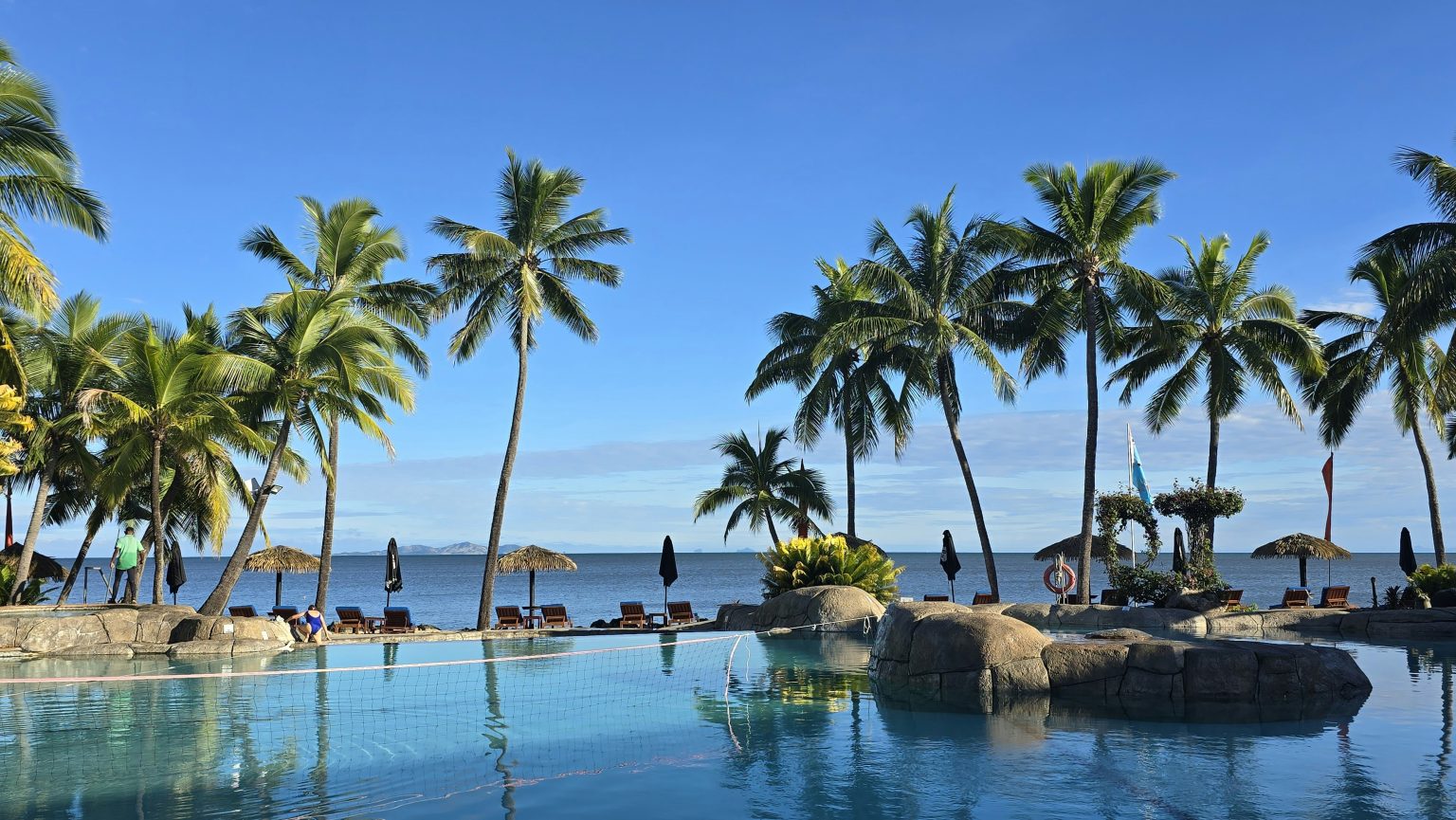
Fiji is a name that has become synonymous with paradise. When people think of this South Pacific nation, they often visualize endless stretches of white sand, turquoise lagoons teeming with marine life, and a culture that is as warm as the tropical sun. As of January 5, 2026, Fiji remains one of the most sought after destinations for travelers seeking a blend of luxury, adventure, and genuine human connection. Comprising an archipelago of over three hundred islands, Fiji offers a diversity of experiences that goes far beyond the typical resort holiday.
- The Gateway to the Islands: Viti Levu
- The Postcard Paradise: The Mamanuca Islands
- Into the Blue: The Yasawa Islands
- The Garden Island: Taveuni
- The Authentic North: Vanua Levu
- The Culture and the People
- Practical Information for 2026
- Culinary Delights of Fiji
- Choosing Your Island Experience
- The Spirit of Bula
To understand Fiji, one must understand the concept of “Bula.” It is more than just a greeting; it is a philosophy of life that encompasses health, happiness, and a deep sense of community. In 2026, the Fijian tourism industry has shifted its focus toward regenerative travel, ensuring that the natural beauty of the islands is preserved for future generations while allowing visitors to engage with the local culture in a meaningful way. Whether you are a solo traveler looking for a remote escape, a couple seeking romance, or a family in search of adventure, Fiji has something extraordinary to offer.
The Gateway to the Islands: Viti Levu
Most international travelers begin their journey on Viti Levu, the largest island in the archipelago. This is where the international airport in Nadi is located and where the pulse of the nation is most palpable. While many visitors treat Viti Levu as a mere stopover on the way to the smaller islands, this massive landmass holds some of the most diverse activities in the country.
The Coral Coast
Stretching along the southern shores of Viti Levu, the Coral Coast is a stunning eighty kilometer stretch of beaches and bays. This area is famous for its fringing coral reefs, which are easily accessible from the shore. In 2026, the Coral Coast has become a hub for eco conscious travelers. Many resorts here have partnered with local villages to create marine protected areas where guests can participate in coral planting programs.
One of the must visit spots on the Coral Coast is the Sigatoka Sand Dunes National Park. These greyish brown dunes are a stark contrast to the white sand found elsewhere in Fiji. They are a site of immense archaeological importance, with pottery shards dating back over two thousand years. Hiking through the dunes at sunrise provides a panoramic view of the coastline that is breathtaking and serves as a reminder of the ancient history of the Fijian people.
Pacific Harbour: The Adventure Capital
If you crave an adrenaline rush, Pacific Harbour is your destination. Located about an hour south of the capital city of Suva, this area is world renowned for its shark diving. In the waters of Beqa Lagoon, you can come face to face with bull sharks, tiger sharks, and various reef sharks in a controlled and conservation focused environment.
For those who prefer to stay above the water, the Navua River offers incredible white water rafting and kayaking. The river snakes through deep gorges and past hidden waterfalls, providing a glimpse into the lush interior of the island. Many tours also include a visit to a traditional river village, where you can learn about the medicinal plants of the jungle and the traditional methods of kava preparation.

The Postcard Paradise: The Mamanuca Islands
If you have ever seen a photo of Fiji on a postcard, chances are it was taken in the Mamanucas. This chain of twenty islands is located just off the coast of Nadi and is accessible by high speed catamaran or seaplane. The Mamanucas are defined by their crystal clear waters, vibrant reefs, and luxury resorts.
Surfing and Sunsets
The Mamanuca Islands are home to some of the most famous surf breaks in the world, including Cloudbreak and Restaurants. In 2026, these breaks continue to attract the elite of the surfing world, but there are also many spots suitable for beginners. Resorts like Namotu and Tavarua are dedicated to the surf culture, offering a laid back vibe that is infectious.
For those who are not looking to catch a wave, the Mamanucas offer some of the best snorkeling in the Pacific. Monuriki Island, where the film “Cast Away” was shot, is a pristine slice of nature where you can snorkel right off the beach and see a kaleidoscope of tropical fish. The sunsets in the Mamanucas are legendary, with the sky turning shades of deep violet and fiery orange as the sun dips below the horizon of the Pacific.
Into the Blue: The Yasawa Islands
Located north of the Mamanucas, the Yasawa Islands are more rugged and remote. For decades, these islands were closed to land based tourism, which has helped preserve their wild beauty. Today, they offer a mix of high end eco resorts and budget friendly backpacker lodges, making them accessible to everyone.
The Blue Lagoon and Sawa i Lau Caves
The Yasawas are perhaps most famous for the Blue Lagoon, a stunning stretch of water that lived up to its name long before it was made famous by Hollywood. The water here is so clear that you can see the white sand bottom even in deep sections.
One of the highlights of a trip to the Yasawas is a visit to the Sawa i Lau Caves. These ancient limestone caverns are considered the heart of the Yasawas. Local legends say that the ten headed god Ulutini resides here. You can swim in the main cave, which is lit by a hole in the ceiling, or if you are brave enough, you can dive through an underwater tunnel to reach a second, secret chamber that is shrouded in darkness. It is an experience that feels both mystical and exhilarating.

The Garden Island: Taveuni
For nature lovers and hikers, Taveuni is the crown jewel of Fiji. As the third largest island, it is known as the Garden Island due to its incredibly lush vegetation and high rainfall. Taveuni is a place where the jungle meets the sea in a dramatic fashion.
Bouma National Heritage Park
A significant portion of Taveuni is protected within the Bouma National Heritage Park. This park is home to the Tavoro Waterfalls, a series of three spectacular falls. The first is easily accessible and features a large swimming hole at its base. The second and third require a more strenuous hike through the rainforest, but the views of the island and the privacy of the higher pools are well worth the effort.
Taveuni is also one of the few places in the world where you can stand on the International Date Line. A small monument marks the spot where today becomes tomorrow, allowing you to jump back and forth between two different days. In 2026, this remains a favorite photo opportunity for travelers who want to claim they have traveled through time.
The Rainbow Reef
Just off the coast of Taveuni lies the Somosomo Strait, home to the world famous Rainbow Reef. This is often cited as the soft coral capital of the world. Divers from across the globe come here to see the Great White Wall, a massive vertical drop covered in white soft corals that look like a snow covered cliff underwater. The sheer volume and variety of life here are staggering, with turtles, rays, and countless species of fish calling the reef home.
The Authentic North: Vanua Levu
Vanua Levu is Fiji’s second largest island, but it receives a fraction of the tourists compared to Viti Levu. This makes it the perfect destination for those looking for an authentic, off the beaten path experience. The main town of Savusavu is often called the hidden paradise of Fiji.
Savusavu and the Pearl Farms
Savusavu is located on a beautiful deep water bay and is famous for its volcanic hot springs that bubble up along the shore. The town has a charming, frontier feel to it, with a small marina that attracts yachties from all over the world.
In 2026, Savusavu is also known for its sustainable pearl farming. You can take a tour of the J. Hunter Pearl farm to see how these rare, colorful pearls are cultivated. It is a fascinating look at an industry that relies entirely on the health and purity of the ocean water.
Exploring the Labasa Hinterland
On the other side of the island lies Labasa, a town with a strong Indo Fijian influence. This is the heart of the sugar cane industry. Exploring the countryside around Labasa allows you to see a different side of Fijian life, with vast green fields of cane and colorful Hindu temples dotting the landscape. The Snake Temple, which houses a sacred rock shaped like a cobra that is said to be growing, is a fascinating cultural stop.

The Culture and the People
While the landscapes of Fiji are incredible, it is the people who make the country truly special. Fijian culture is rooted in the village structure and the extended family. Even in 2026, these traditions remain strong.
The Kava Ceremony
No trip to Fiji is complete without participating in a kava ceremony. Kava is a drink made from the crushed root of a pepper plant. It has a mild sedative effect and is a central part of Fijian social and ceremonial life. When you visit a village, it is customary to present a gift of kava root to the chief. The ensuing ceremony involves the communal drinking of kava from a coconut shell, known as a bilo. It is a sign of respect and a way to build a bond between the visitor and the hosts.
Meke and Traditional Music
Music and dance are the heartbeat of Fiji. The Meke is a traditional dance that tells stories of legends, history, and daily life. Men perform warrior dances with spears and fans, while women perform graceful movements with their hands. In 2026, many resorts and villages hold Meke nights, where you can witness the incredible energy and harmony of Fijian singing. The sound of a Fijian choir, with its deep basses and soaring tenors, is something that will stay with you long after you leave the islands.
Practical Information for 2026
Traveling to Fiji in 2026 requires some planning to ensure you make the most of your time in the islands.
Weather and Timing
Fiji has a tropical climate with two main seasons. The dry season, which runs from May to October, is characterized by clear skies and cooler temperatures. This is the peak tourist season and the best time for outdoor activities and diving. The wet season runs from November to April and is warmer and more humid. While rain is more frequent, it often comes in short, heavy bursts followed by sunshine. This is also the time when the islands are at their greenest and most lush.
Getting Around
Getting between islands in Fiji is an adventure in itself. For the Mamanucas and Yasawas, the Yasawa Flyer and South Sea Cruises offer reliable daily ferry services. For the northern islands like Vanua Levu and Taveuni, domestic flights on Fiji Link are the fastest option. If you have the budget, taking a seaplane or helicopter provides a spectacular bird’s eye view of the reefs and islands that is truly unforgettable.
Sustainable Travel in 2026
As of 2026, Fiji has implemented several initiatives to promote sustainable tourism. Many resorts have eliminated single use plastics and have moved toward solar power. Visitors are encouraged to be mindful of their environmental impact, particularly when interacting with the coral reefs. Always use reef safe sunscreen and avoid touching or stepping on the coral. Supporting local artisans and eating at locally owned restaurants is also a great way to ensure your travel dollars benefit the community directly.

Culinary Delights of Fiji
Fijian cuisine is a delicious fusion of traditional indigenous ingredients and Indian influences. The food is fresh, flavorful, and often cooked in a way that preserves its natural goodness.
The Lovo: A Feast from the Earth
The Lovo is a traditional Fijian feast cooked in an earth oven. A pit is dug in the ground and lined with heat resistant stones. A fire is lit to heat the stones, and then food wrapped in banana leaves—such as chicken, pork, fish, and root vegetables like dalo and cassava—is placed on the hot stones. The pit is covered with earth and left to slow cook for several hours. The result is tender, smoky meat and vegetables that are incredibly delicious. A Lovo is usually a communal event and is often accompanied by music and dance.
Kokoda and Indo Fijian Flavors
Kokoda is Fiji’s version of ceviche. Raw fish is marinated in lime juice and then mixed with coconut cream, finely diced onions, chilies, and tomatoes. It is refreshing, creamy, and tangy, making it the perfect lunch on a hot tropical day.
The Indo Fijian influence is most apparent in the abundance of curries and roti. Fijian curries often use fresh coconut milk and local seafood, creating a flavor profile that is distinct from traditional Indian curries. Exploring the local markets in Nadi or Suva is a great way to sample these flavors, with street stalls selling spicy samosas, fresh pineapple with chili salt, and sweet treats like lakdi.
Choosing Your Island Experience
With so many islands to choose from, it can be difficult to decide where to spend your time. Here is a quick guide to help you choose based on your interests:
- For Families: The Coral Coast and the Mamanuca Islands offer the best range of family friendly resorts with excellent kids clubs and calm waters for swimming.
- For Romantics: The Yasawa Islands and private island resorts in the Mamanucas provide the ultimate secluded escape for honeymooners or couples.
- For Divers: Taveuni and the Suncoast region of Viti Levu offer world class diving with incredible soft corals and diverse marine life.
- For Culture Seekers: Vanua Levu and the interior of Viti Levu allow for deep immersion into traditional village life and local history.
- For Surfers: The Mamanuca Islands are the place to be for access to the most iconic breaks.
The Spirit of Bula
As you prepare for your journey to Fiji in 2026, remember that the most important thing you can bring with you is an open heart. Fiji is a place that moves at its own pace, often referred to as “Fiji Time.” It is a reminder to slow down, to breathe, and to appreciate the beauty of the present moment.
When you are sitting on a beach at sunset, listening to the sound of a distant ukulele and feeling the warm breeze on your face, you will understand why people keep coming back to these islands. It is not just the white sand or the blue water; it is the feeling of being welcomed into a family. It is the genuine smiles of the people you meet and the sense of peace that settles over you the moment you arrive.
Fiji is a destination that touches your soul. It reminds you of the simple joys of life: a shared meal, a beautiful view, and the kindness of strangers. As you explore the islands, from the rugged peaks of Viti Levu to the hidden caves of the Yasawas, you will find that the magic of Fiji is everywhere. It is in the laughter of the children playing in the waves, the craftsmanship of a hand carved tanoa bowl, and the vibrant colors of a coral garden.
Whether you stay for a week or a month, Fiji will change you. You will return home with a bit more of that “Bula” spirit in your heart, a reminder to live with gratitude and to treat every day as a gift. The islands of Fiji are waiting for you, ready to share their secrets and their beauty. All you have to do is say “Bula” and step into paradise.