




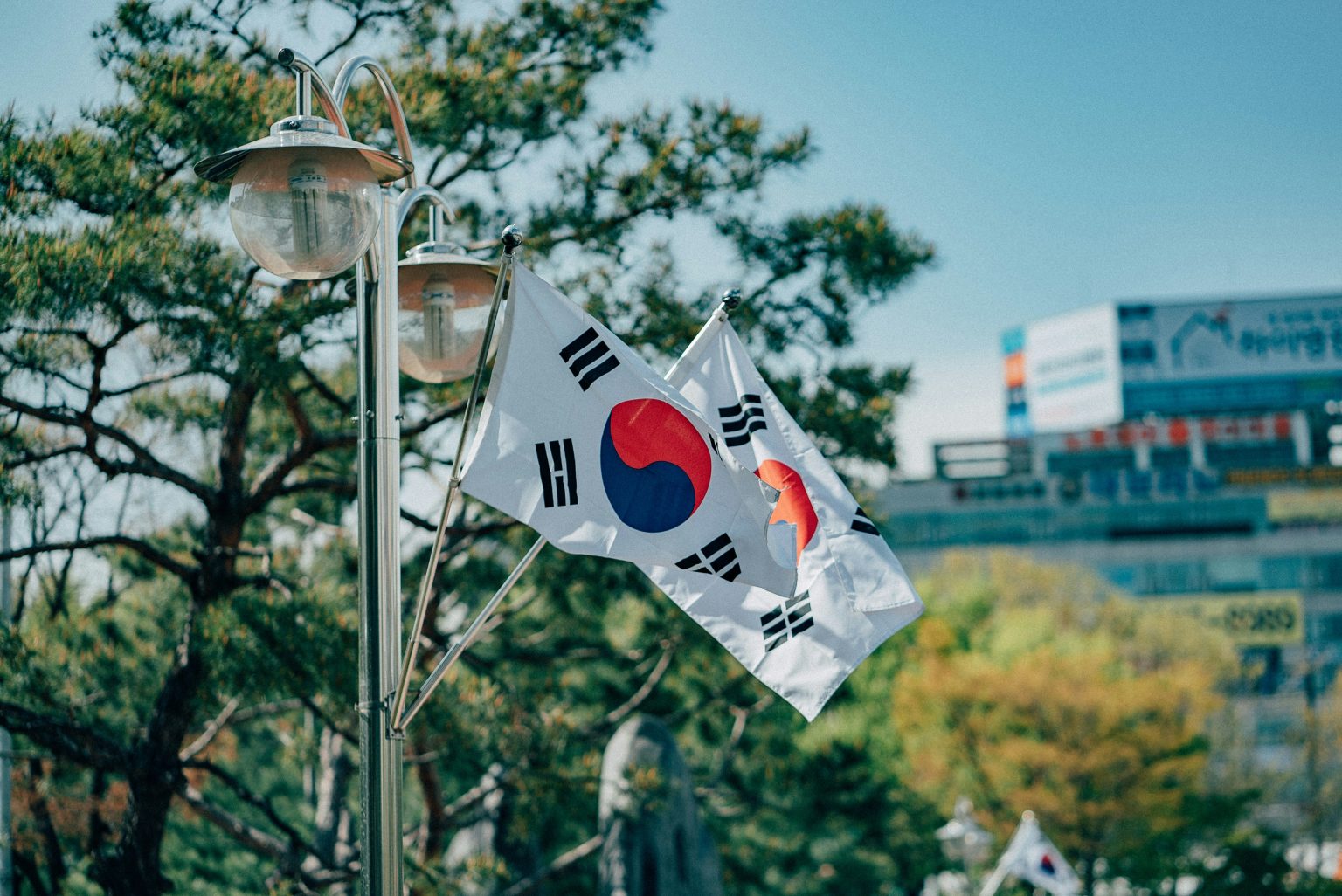
South Korea is a nation where the heartbeat of the future thrums against the backdrop of an ancient, storied past. On January 5, 2026, the country stands as a global cultural powerhouse, a place where K pop and high tech industry coexist with silent mountain temples and centuries old traditions. Stretching from the rugged mountains of the north to the subtropical shores of Jeju Island, the South Korean peninsula is a compact yet infinitely diverse landscape that rewards the curious traveler.
- The Pulsing Nexus: Seoul and the Han River
- The Coastal Spirit: Busan and the South
- The Museum without Walls: Gyeongju
- The Island of the Gods: Jeju
- The Culinary Landscape: A Journey of Flavor
- The High Tech and the High Fashion
- Practical Encouragement for 2026
- 1. Embrace the Seasons
- 2. Learn the Basics of Hangul
- 3. Respect the Social Etiquette
- 4. Lean into “Folk Village” Stays
- 5. The Dongseo Trail
- The Spirit of the Morning Calm
In 2026, travel in South Korea has reached a new level of sophistication. The infrastructure is world class, the hospitality is legendary, and there is a growing emphasis on “K Wellness” and sustainable tourism. This guide provides a deep dive into the must visit destinations and the subtle cultural nuances that make South Korea one of the most compelling places to explore in the modern era.

The Pulsing Nexus: Seoul and the Han River
Seoul is more than just a capital city; it is an experience. It is a place where you can visit a fourteenth century palace in the morning and a futuristic design plaza in the afternoon. In 2026, Seoul has solidified its reputation as a city that never stops evolving while holding tightly to its Joseon Dynasty roots.
The Five Royal Palaces
The architectural soul of Seoul is found in its five royal palaces. Gyeongbokgung, the largest and most prominent, is a masterpiece of symmetry and stone. Watching the Changing of the Guard ceremony at the Gwanghwamun Gate is a journey back in time. For those seeking a more intimate experience, Changdeokgung Palace is a UNESCO World Heritage site famous for its “Secret Garden.” This landscaped woodland was designed to blend perfectly with the natural topography, and in the autumn, it becomes a fiery canvas of red and gold maples.
The other three palaces—Deoksugung, Changgyeonggung, and Gyeonghuigung—each offer a unique perspective on Korean royal life. Deoksugung is particularly notable for its rare blend of traditional Korean and Western neoclassical architecture. In 2026, many of these palaces offer evening tours, where the structures are illuminated by soft lanterns, creating a mystical atmosphere that feels far removed from the surrounding city traffic.
Bukchon Hanok Village and Ikseondong
Nestled between the palaces is Bukchon Hanok Village, a residential neighborhood home to hundreds of traditional Korean houses called hanoks. Walking these narrow, winding uphill streets allows you to see the beautiful tiled roofs and wooden frames that have housed Seoulites for centuries. While many remain private residences, several have been converted into tea houses, galleries, and boutique guesthouses.
For a more bohemian take on the hanok, visit Ikseondong. This once neglected neighborhood has become the trendiest spot in the city. The tiny alleys are packed with innovative cafes, vintage clothing stores, and craft breweries, all housed within traditional structures. It is the perfect example of how South Korea breathes new life into its heritage.
The Mountains within the City
One of Seoul’s greatest assets is its geography. The city is surrounded by mountains, making hiking a national pastime. Bukhansan National Park is accessible by subway and offers granite peaks that provide a panoramic view of the entire metropolitan area. On the weekends, the trails are a sea of colorful hiking gear, as locals head to the summits to share a meal and enjoy the fresh air. For a shorter walk, Namsan Park leads up to the N Seoul Tower, where you can watch the sun set over the Han River and the city lights flicker to life.
The Coastal Spirit: Busan and the South
Busan is the second largest city and the primary port of South Korea. It has a gritty, energetic character that is distinct from the more polished feel of Seoul. It is a city of beaches, mountains, and seafood.
Haeundae and Gwangalli
Haeundae is South Korea’s most famous beach. In the summer, it is a bustling hub of activity, but in the cooler months, it is a serene place for a morning walk. The nearby Blueline Park offers a scenic coastal train and “sky capsules” that run along the cliffs, providing stunning views of the East Sea.
Gwangalli Beach is best visited at night. The iconic Gwangan Bridge stretches across the bay, and in 2026, its state of the art LED light shows are more spectacular than ever. The beachfront is lined with cafes and bars where you can enjoy a drink while watching the drone shows that often take place over the water.
Gamcheon Culture Village
Often called the “Machu Picchu of Busan,” Gamcheon is a former refugee settlement built into the side of a steep coastal mountain. In the early 2000s, it was transformed into an art village. The houses are painted in bright pastel colors, and the alleys are filled with murals, sculptures, and small galleries. It is a labyrinth of creativity that offers some of the most photogenic views in the country.
Jagalchi Fish Market
To understand the heart of Busan, you must visit Jagalchi, the largest seafood market in the country. The “ajummas” (middle aged women) who run the stalls are legendary for their strength and business acumen. You can select fresh fish or shellfish on the ground floor and have it prepared for you in a restaurant upstairs. It is a raw, sensory experience that captures the maritime soul of the city.

The Museum without Walls: Gyeongju
If you want to understand the ancient history of Korea, you must visit Gyeongju. This city was the capital of the Silla Kingdom for nearly a thousand years. Today, it is essentially one giant archaeological site.
Tumuli Park and the Royal Tombs
The skyline of Gyeongju is defined by large, grass covered mounds. These are the tombs of Silla royalty. Walking through Tumuli Park is a peaceful and surreal experience. One of the tombs, Cheonmachong, is open to the public, allowing you to see the sophisticated gold crowns and jewelry that were buried with the kings.
Bulguksa Temple and Seokguram Grotto
Located on the slopes of Mount Toham, Bulguksa is considered the pinnacle of Buddhist architecture in Korea. The stone bridges and wooden pagodas are perfectly preserved, reflecting the Silla Kingdom’s devotion to spiritual harmony. A short drive (or a hike) further up the mountain leads to Seokguram Grotto. This man made stone cave houses a massive granite Buddha that gazes out toward the East Sea. The precision of the stonework is so advanced that it remains a marvel to modern engineers.
The Island of the Gods: Jeju
Jeju Island is a volcanic wonderland located off the southern coast. In 2026, it remains the favorite getaway for Koreans and a top destination for international travelers seeking natural beauty.
Mount Hallasan and Seongsan Ilchulbong
Mount Hallasan is a shield volcano and the highest peak in South Korea. The hike to the summit takes you through diverse ecosystems and ends at a crater lake. For a less strenuous but equally rewarding experience, climb Seongsan Ilchulbong, also known as Sunrise Peak. This tuff cone rose from the sea thousands of years ago and offers a dramatic view of the coastline, especially at dawn.
The Haenyeo: Women of the Sea
Jeju is famous for its Haenyeo, a community of female divers who harvest seafood by hand without the use of oxygen tanks. Many of these women are in their seventies and eighties, and their strength is a point of national pride. In 2026, you can visit the Haenyeo Museum or watch them perform a traditional diving demonstration. It is a disappearing way of life that represents the resilient spirit of the island.

The Culinary Landscape: A Journey of Flavor
Korean cuisine is built on the philosophy of balance and fermentation. In 2026, the food scene is more diverse than ever, ranging from humble street food to Michelin starred fine dining.
The Art of Kimchi and Banchan
At the heart of every Korean meal is Kimchi. While cabbage is the most common variety, there are over two hundred types of fermented vegetables. The meal is always accompanied by Banchan, a collection of small side dishes that range from pickled radishes to seasoned sprouts. The variety ensures that every bite is different, and the communal nature of the dining experience is central to Korean culture.
Korean BBQ and Street Food
No visit is complete without a Korean BBQ session. Grilling marinated galbi (beef short ribs) or samgyeopsal (pork belly) at your table is a sensory delight. For a quicker bite, the street food markets of Seoul—such as Gwangjang or Myeongdong—offer tteokbokki (spicy rice cakes), hotteok (sweet pancakes), and kimbap (seaweed rice rolls). In 2026, these markets are also embracing plant based alternatives, making Korean street food more accessible to vegan and vegetarian travelers.
The High Tech and the High Fashion
South Korea is a global leader in technology and aesthetics. In 2026, this is visible in every aspect of daily life.
K Beauty and Wellness
The “K Beauty” phenomenon is more than just skincare; it is a ritual. Neighborhoods like Gangnam and Myeongdong are filled with flagship stores where you can get personalized skin analysis and custom made products. The traditional Jjimjilbang (Korean spa) has also evolved. In 2026, luxury wellness centers offer a blend of traditional hot stone saunas and modern cryotherapy, providing a total body reset for the weary traveler.
The Smart City and K Pop
The efficiency of South Korea is staggering. The high speed KTX trains can whisk you across the country in a few hours, and the ubiquitous high speed internet makes navigation a breeze. For fans of K Pop, the “HiKR Ground” in Seoul offers interactive exhibits and music video studios where you can immerse yourself in the world of your favorite idols.
Practical Encouragement for 2026
Traveling to South Korea in 2026 is easier than ever, but there are a few things to keep in mind to enhance your experience.
1. Embrace the Seasons
South Korea has four distinct seasons, each with its own beauty. April is the time for cherry blossoms, which turn the country into a pink and white dream. October and November bring the autumn foliage, which is perhaps the best time for hiking. January is cold but offers incredible skiing in Gangwon province and a chance to see the palaces dusted in snow.
2. Learn the Basics of Hangul
While English is widely spoken in tourist areas, learning to read the Korean alphabet (Hangul) is surprisingly easy and very helpful. Most signs have English translations, but being able to read the phonetic sounds of a menu or a street sign will give you a greater sense of confidence and connection to the culture.
3. Respect the Social Etiquette
Korean society is rooted in Confucian values, which emphasize respect for elders and social harmony. Use two hands when giving or receiving something, and remember to remove your shoes when entering a home or certain traditional restaurants. A small bow is a standard way to say hello or thank you.
4. Lean into “Folk Village” Stays
To truly experience the quiet side of Korea, consider a stay in a traditional village like Hahoe in Andong or the Jeonju Hanok Village. Sleeping on an ondol (heated floor) and waking up to the sound of nature is the perfect counterpoint to the high energy of Seoul.
5. The Dongseo Trail
In 2026, the Dongseo Trail—South Korea’s first coast to coast hiking route—has fully opened. Spanning over eight hundred kilometers from the east coast to the west, it allows hikers to walk through the spine of the country, passing through historic villages, national forests, and sacred mountains. It is the ultimate experience for those who want to see the “unseen” Korea.

The Spirit of the Morning Calm
As you plan your journey to South Korea in 2026, remember that the beauty of the country lies in its transitions. It is the transition from a crowded subway to a silent temple courtyard. It is the transition from a spicy bowl of ramyun to a delicate cup of green tea. It is the transition from the neon lights of the city to the first light of a mountain sunrise.
South Korea is a nation that has mastered the art of looking forward without forgetting where it came from. It is a place that challenges your perceptions and rewards your curiosity. Whether you are there for the food, the history, the technology, or the nature, you will find a country that is eager to share its story with you.
The Land of the Morning Calm is waiting. It is ready to show you its colors, its flavors, and its incredible heart. All you have to do is arrive, say “Annyeonghaseyo,” and let the journey begin.