




The international travel community has once again turned its gaze toward the lush landscapes of Central America as Costa Rica secures its position at the pinnacle of global tourism rankings. In the latest evaluations conducted by major travel publications and industry organizations for the year twenty twenty five, this tropical paradise has been recognized as a premier choice for those seeking a harmonious blend of adventure and tranquility. By surpassing traditional favorites such as Canada and several Mediterranean hotspots in the Wanderlust Readers Travel Awards, Costa Rica has proven that its commitment to the environment and the well-being of its visitors remains an unbeatable combination. This victory is not merely a reflection of its natural beauty but a testament to a national philosophy that prioritizes the preservation of life in all its vibrant forms.
- The Essence of Pura Vida and Cultural Warmth
- A Masterclass in Biodiversity and Conservation
- The Adventure Capital of the Americas
- Sustainable Leadership and Ethical Tourism
- Wellness in the Nicoya Peninsula Blue Zone
- Regional Spotlights: Exploring the Provinces
- Guanacaste: The Golden Coast
- Alajuela and the Northern Lowlands
- Limón: The Caribbean Soul
- Puntarenas and the Osa Peninsula
- The Rise of Eco Luxury and the Future of Travel
The significance of this accolade lies in the rigorous criteria used by travelers to define a leading destination in the modern era. It is no longer enough to offer pristine beaches or luxury resorts; today’s explorers are looking for authenticity, sustainability, and a sense of purpose in their journeys. Costa Rica excels in these categories by offering an experience that feels deeply rooted in the local culture while maintaining world class standards of service. The recognition from global audiences highlights a shift in traveler priorities toward regenerative tourism, where the presence of the visitor actually contributes to the restoration of the ecosystem rather than its depletion. As we move through twenty twenty five, the success of the Costa Rican model serves as a blueprint for the future of the entire travel industry.
The Essence of Pura Vida and Cultural Warmth
At the heart of the appeal of Costa Rica is the ubiquitous phrase Pura Vida, which translates literally to pure life but carries a much deeper social and spiritual meaning. For the people of this nation, known affectionately as Ticos, this is more than just a greeting; it is a way of existing that emphasizes gratitude, simplicity, and a positive outlook on life. Visitors are often struck by the genuine warmth and hospitality of the locals, who treat travelers as welcomed guests rather than mere sources of revenue. This cultural openness is a primary driver behind the country’s high reputation, creating a sense of safety and belonging that is rare in many of the world’s most popular tourist destinations.
The Pura Vida mindset encourages travelers to slow down and appreciate the small details of their surroundings. It might be the sound of a distant howler monkey at dawn or the taste of a freshly harvested mango from a roadside stand. This focus on the present moment aligns perfectly with the rising global interest in mindfulness and slow travel. By embracing the local pace, visitors find that their stress begins to dissipate, replaced by a renewed connection to the natural world and to themselves. This cultural exchange is a two way street, as the pride Ticos take in their country’s ecological success is reinforced by the admiration of the international community.
The cultural landscape of the country is also defined by its commitment to peace and democracy. Having abolished its military in nineteen forty eight, Costa Rica has redirected its national resources toward education, healthcare, and environmental protection. This historic decision created a stable and prosperous society that stands in stark contrast to the volatility often associated with developing regions. Travelers feel this stability in the high level of safety and the well developed infrastructure that supports everything from remote jungle lodges to sophisticated urban centers. The resulting atmosphere is one of collective optimism, where the protection of the land is seen as a shared responsibility and a source of national pride.
A Masterclass in Biodiversity and Conservation
One of the most compelling reasons Costa Rica continues to beat out its competition is its staggering level of biodiversity. Despite occupying only zero point zero three percent of the earth’s landmass, it is home to roughly five percent of the world’s known species. This incredible density of life is the result of the country’s unique position as a land bridge between North and South America, as well as its varied topography that includes volcanic peaks, cloud forests, and coastal wetlands. For nature enthusiasts, the country is a living laboratory where every hike or boat ride reveals new and exotic creatures, from the resplendent quetzal to the elusive jaguar.
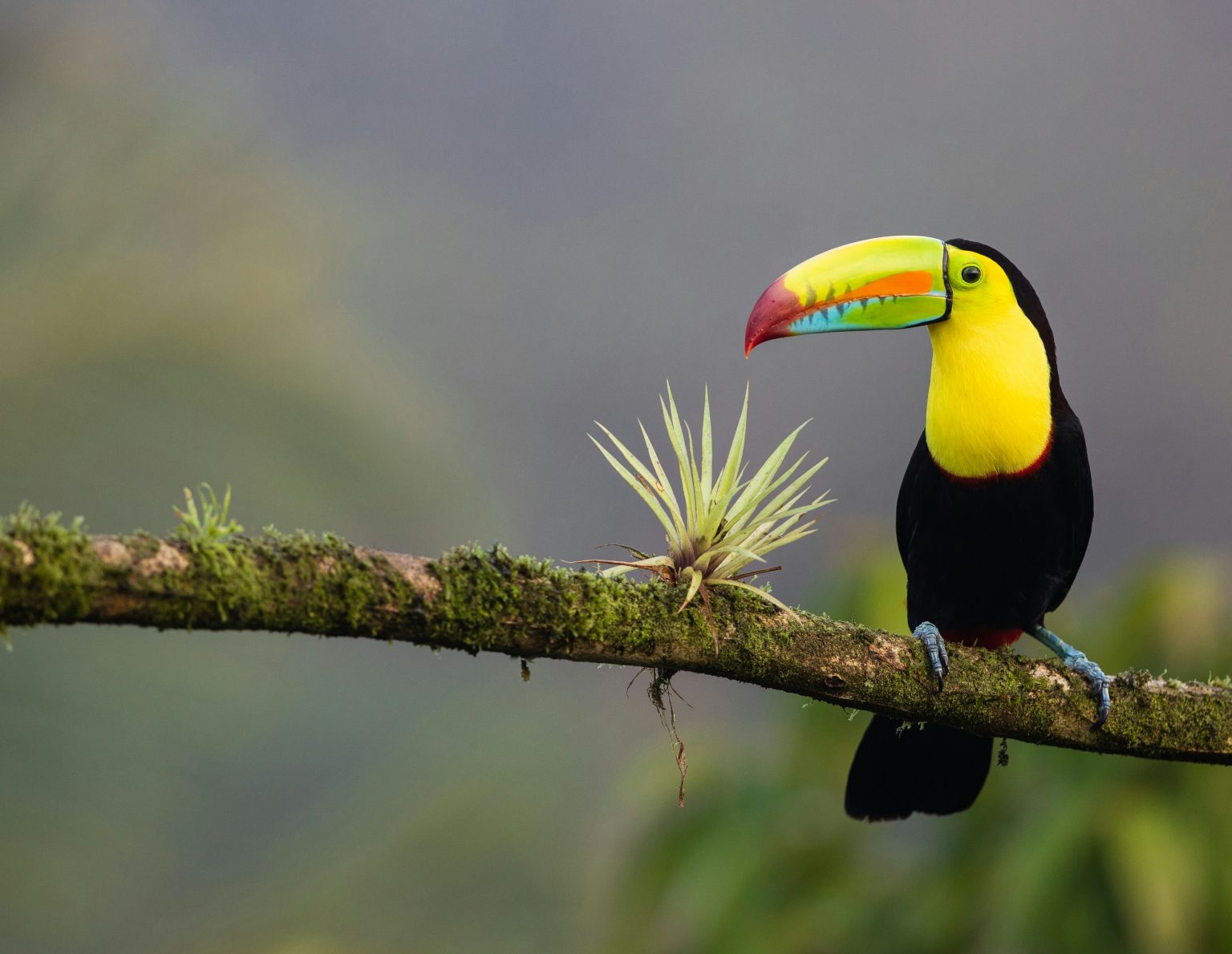
The government and the people have taken extraordinary steps to protect this natural wealth. Over twenty five percent of the national territory is designated as protected land, comprising a vast network of national parks, wildlife refuges, and biological reserves. This conservation effort has allowed the country to reverse decades of deforestation, becoming one of the few nations in the world to actually increase its forest cover in recent years. This matters because it provides a sanctuary for endangered species and a resilient buffer against the impacts of climate change. Travelers are drawn to these protected areas not just for the sightings of sloths and toucans, but to witness a successful model of environmental stewardship in action.
- Corcovado National Park: Often described as the most biologically intense place on earth by National Geographic, it offers a raw and unfiltered look at the rainforest.
- Tortuguero National Park: A vital nesting ground for green sea turtles, where the labyrinthine water canals replace traditional roads.
- Monteverde Cloud Forest: A mystical high altitude environment where the moisture from the clouds supports a lush canopy of orchids and ferns.
- Manuel Antonio National Park: A perfect combination of white sand beaches and tropical forest, making wildlife observation accessible and comfortable.
The experience of these parks is enhanced by the high quality of the local guides, many of whom are university trained naturalists with a deep passion for their work. Their ability to spot a camouflaged eyelash viper or explain the complex symbiotic relationship between ants and acacia trees adds a layer of intellectual depth to the journey. This focus on education ensures that the visitor leaves with more than just photographs; they leave with a profound understanding of the interconnectedness of life. It is this depth of experience that sets Costa Rica apart from other beach destinations that offer only surface level relaxation.

The Adventure Capital of the Americas
For those who seek an adrenaline rush, Costa Rica offers a playground that is as diverse as its ecosystems. The rugged terrain of the interior, characterized by active volcanoes and rushing rivers, provides the perfect backdrop for a wide range of outdoor activities. The country is widely credited with the invention or at least the popularization of the canopy tour, where travelers can zip line through the treetops for a bird’s eye view of the forest. This combination of thrill and natural beauty has become a signature experience, attracting millions of visitors who want to challenge their limits in a safe and controlled environment.
The river systems are equally impressive, offering some of the best white water rafting and kayaking in the world. The Pacuare River, in particular, is celebrated for its challenging rapids and the stunning scenery of the deep canyons it carves through the jungle. Beyond the water and the air, the land provides endless opportunities for hiking, mountain biking, and horseback riding. Whether it is trekking up the slopes of the Arenal Volcano or navigating the muddy trails of a remote rainforest, the physical challenge of the environment is a key part of the appeal.
“The true adventure of Costa Rica is not just in the activities themselves, but in the realization of how small we are in the face of such immense and untamed beauty.”
Popular Adventure Activities by Region
| Activity | Top Destination | Why It Stands Out |
| Surfing | Tamarindo and Santa Teresa | Consistent swells and a vibrant local surf culture. |
| Ziplining | Monteverde | Gliding through the literal clouds in a high altitude forest. |
| Rafting | Pacuare River | Class three and four rapids set in a pristine jungle gorge. |
| Volcano Hiking | Arenal and Irazu | Spectacular views of craters and geothermal activity. |
| Scuba Diving | Isla del Caño | Encounters with manta rays, sharks, and vast schools of fish. |
The safety standards for these activities are exceptionally high, with many operators holding international certifications. This professionalism allows travelers to push their boundaries with confidence, knowing that they are in the hands of experts. The transition from a high energy adventure to a relaxing evening in a thermal spring is a classic Costa Rican itinerary, providing a balanced experience that caters to the body and the mind. It is this versatility that makes the country so attractive to families, couples, and solo travelers alike, offering something for every level of physical ability and interest.
Sustainable Leadership and Ethical Tourism
Costa Rica’s victory over other destinations is heavily influenced by its status as a global leader in sustainability. Long before the term became a marketing buzzword, the country was implementing practical policies to ensure that tourism would benefit both the people and the environment. The Certification for Sustainable Tourism, or CST, is a rigorous program that evaluates businesses on their environmental impact, social contribution, and economic viability. This transparent system allows travelers to make informed choices, supporting hotels and tour operators that are genuinely committed to ethical practices.
This commitment extends to the national energy grid, which has consistently generated over ninety eight percent of its electricity from renewable sources for several years. For a traveler, this means that their carbon footprint is significantly lower than it would be in a country reliant on fossil fuels. The focus on local sourcing and community involvement also ensures that the economic benefits of tourism reach the people who need them most. Many lodges operate their own organic farms, providing guests with fresh, zero kilometer food while supporting local agricultural traditions.
The ethical dimension of Costa Rican travel also involves the protection of its cultural heritage and the empowerment of indigenous communities. Visitors are encouraged to engage with local artisans, visit traditional coffee and cocoa plantations, and learn about the ancient history of the region. This holistic approach to tourism creates a virtuous cycle where the success of the industry is tied to the health of the society. By choosing Costa Rica, travelers are casting a vote for a more responsible and compassionate way of seeing the world, a factor that is increasingly important to the conscious traveler of twenty twenty five.

Wellness in the Nicoya Peninsula Blue Zone
In recent years, Costa Rica has seen a significant surge in wellness tourism, driven in part by the discovery of the Nicoya Peninsula as one of the world’s few Blue Zones. These are specific geographic areas where people live statistically longer and healthier lives than the global average, often reaching the age of one hundred at remarkable rates. The combination of a plant based diet, strong social connections, and a life lived in close contact with nature has made Nicoya a focal point for those seeking to improve their own longevity and well being.
Wellness retreats have proliferated across the country, offering everything from yoga and meditation to traditional healing ceremonies and volcanic mud baths. The serene environment of the rainforest or the coast provides the perfect setting for detoxification and reflection. Unlike the clinical atmosphere of some luxury spas, the wellness experience in Costa Rica is deeply integrated with the surroundings. You might find yourself practicing yoga on a wooden deck overlooking the ocean or receiving a massage while the sound of a nearby waterfall provides a natural soundtrack.
- Yoga and Meditation: High quality studios and retreats are concentrated in areas like Nosara and Santa Teresa.
- Thermal Springs: The geothermal activity around the Arenal Volcano provides naturally heated mineral waters that are believed to have healing properties.
- Organic Nutrition: The abundance of fresh tropical fruits, vegetables, and lean proteins makes healthy eating an effortless part of the journey.
- Digital Detox: Many remote lodges intentionally limit connectivity, encouraging guests to disconnect from the digital world and reconnect with themselves.
The appeal of the Blue Zone is not just in the physical health of its residents but in their philosophy of life. The concept of a plan de vida, or a reason to live, is central to the longevity of the Nicoyans. For visitors, this translates into an invitation to reflect on their own purpose and priorities. The wisdom of the road in Costa Rica is often found in these quiet moments of contemplation, away from the distractions of modern life. This focus on internal growth is a powerful reason why travelers return to the country year after year, seeking a sense of renewal that they cannot find anywhere else.
Regional Spotlights: Exploring the Provinces
The diversity of Costa Rica is best understood by exploring its different provinces, each of which offers a distinct climate, culture, and landscape. While the country is small enough to traverse in a day, the variety within its borders is immense. Understanding these regional differences is essential for planning a trip that aligns with your specific interests.
Guanacaste: The Golden Coast
Guanacaste is famous for its dry tropical forests and its spectacular beaches along the Pacific coast. It is the sunniest part of the country, making it a favorite for those seeking a classic surf and sand vacation. The region is also the heart of Costa Rican cowboy culture, or sabanero traditions, where cattle ranching remains a vital part of the economy. The recent opening of ultra luxury properties like the Waldorf Astoria Punta Cacique has cemented Guanacaste’s reputation as a premier destination for high end travelers who want comfort without sacrificing environmental integrity.
Alajuela and the Northern Lowlands
This region is dominated by the majestic Arenal Volcano, one of the most iconic sights in the country. The area around the town of La Fortuna is a hub for adventure and wellness, offering a wide range of activities from white water rafting to relaxing in hot springs. The landscape here is characterized by rolling green hills and dense rainforests, providing a dramatic backdrop for exploration. It is also an important agricultural area, famous for its coffee and pineapple production.
Limón: The Caribbean Soul
The Caribbean coast of Costa Rica offers a completely different atmosphere from the Pacific side. Characterized by its Afro Caribbean heritage, the province of Limón is a vibrant tapestry of music, spicy cuisine, and colorful architecture. The beaches here, such as those in Puerto Viejo and Cahuita, are backed by thick jungle that reaches right to the water’s edge. The region is known for its laid back pace and its incredible wildlife, including the world famous Sloth Sanctuary.
Puntarenas and the Osa Peninsula
Southern Puntarenas is home to the Osa Peninsula, a remote and rugged area that represents the pinnacle of the country’s wilderness. This is where you will find Corcovado National Park and some of the most pristine rainforest on the planet. The region is less developed than the north, offering a more raw and authentic experience for those who are willing to travel off the beaten path. It is a place of intense natural beauty, where the rainforest meets the sea in a spectacular display of life.

The Rise of Eco Luxury and the Future of Travel
As we look toward twenty twenty six and beyond, Costa Rica continues to innovate in the space where high end comfort meets environmental responsibility. The rise of eco luxury is a response to a new generation of travelers who refuse to choose between indulgence and ethics. These new developments, such as the Ritz Carlton Reserve Nekajui, are designed to disappear into the landscape, using sustainable materials and energy efficient systems while providing an uncompromising level of service. This model proves that luxury can be a force for good, providing the funds necessary for large scale conservation projects and community development.
The future of travel in Costa Rica is also being shaped by the rise of the digital nomad. With its stable infrastructure and high quality of life, the country has become a top choice for those who can work from anywhere. The government has introduced specific visas to accommodate these long term visitors, who contribute to the local economy while becoming integrated members of the community. This shift toward longer stays allows for a deeper and more meaningful engagement with the culture and the environment, moving away from the superficiality of mass tourism.
The enduring success of Costa Rica as a leading destination is not an accident but the result of decades of visionary leadership and collective effort. By beating out its regional and global rivals, the country has demonstrated that a path of sustainability and peace is not only possible but highly desirable. For the traveler, a journey to this tropical sanctuary is an opportunity to witness the best of what humanity and nature can achieve when they work in harmony. It is a story of hope and resilience that continues to inspire the world, one visitor at a time.