



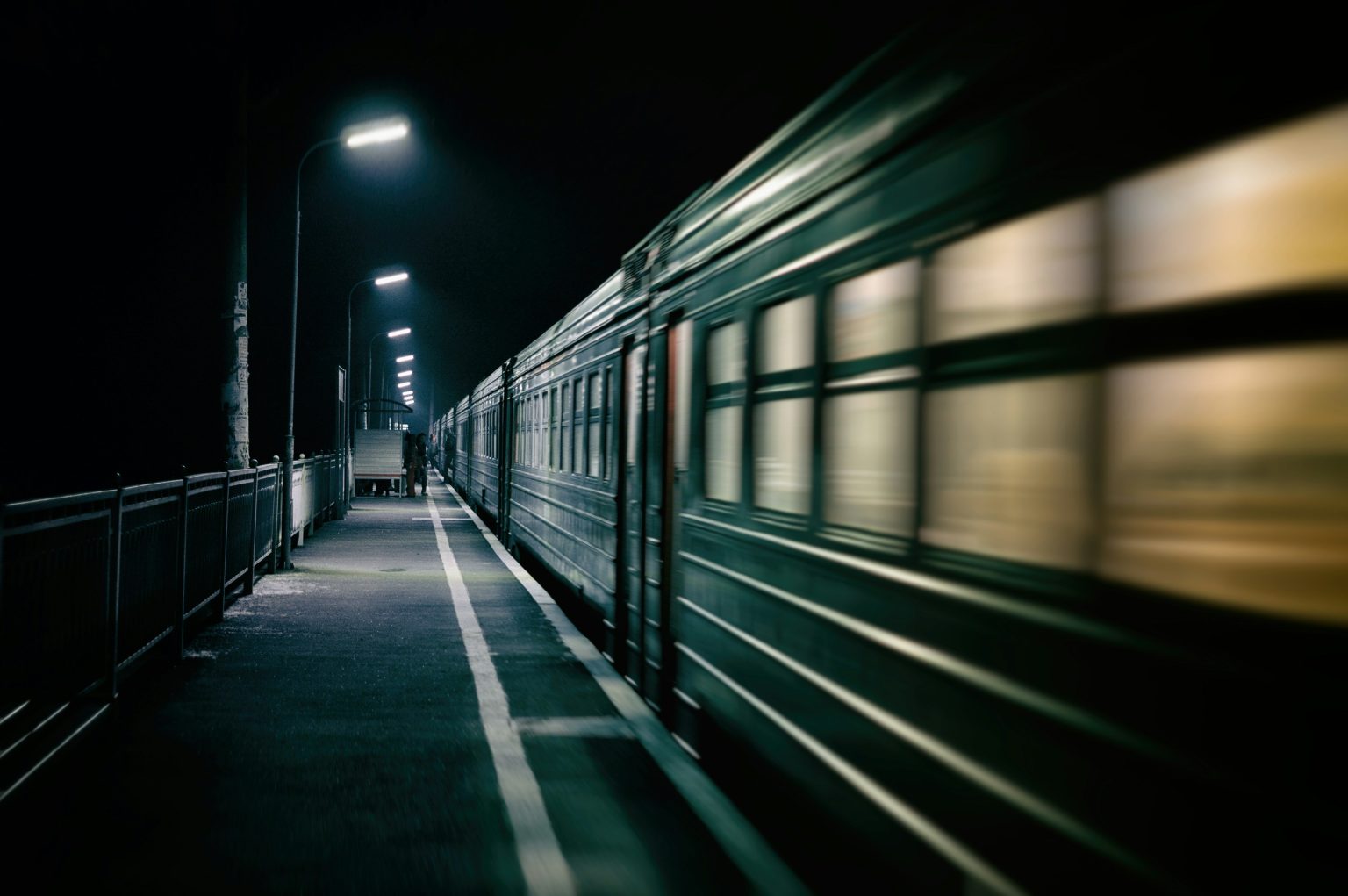
It is 2:00 AM on February 5, 2024. Outside the window of the overnight express from Budapest to Bucharest, the world is a blur of obsidian fields and the occasional flicker of a lonely farmhouse light. Inside, the air is thick with the smell of old upholstery and the rhythmic metallic pulse of steel on rail—a sound that, in the silence of the night, becomes a metronome for the mind. I am sitting in a cramped second class compartment, my knees occasionally brushing against those of a stranger. My phone is dead, the ultimate modern travel crisis that leaves me with nothing but my own thoughts and the dim glow of the hallway light. Usually, I would find this situation intolerable. I am the kind of traveler who plans every minute, who treats an itinerary like a contract. But tonight, the discomfort of the hard seat and the forced stillness have led to a realization: I have been traveling for a decade, yet I have rarely been present.
- The Stranger Across the Aisle
- The Sanctity of the In Between
- The Power of Embracing Discomfort
- The Conversation That Changed Everything
- The Realization of the In Between
- The Arrival and the Aftermath
- Lessons for the Modern Traveler
- 1. Reject the Efficiency Trap
- 2. Seek Out the Friction
- 3. Talk to the Person Who Looks Different From You
- 4. Let Your Phone Die
- 5. Value the In Between
- The Soul Speed
- Final Thoughts on the Human Connection
In 2026, we are obsessed with the destination. We fly over continents to save hours, we take the high speed rail to bypass the parts we deem boring, and we curate our arrivals for a digital audience. But on this midnight train, in the literal and figurative space between, I am discovering that the essence of travel is not the landmark at the end of the line. It is the friction of the journey itself. The psychological weight of a long journey often acts as a mirror. When we are moving at high speeds, we can outrun our own reflections. We focus on the logistics, the boarding passes, and the arrival times. But when the journey slows down, when the sun disappears and the world shrinks to the size of a train compartment, we are forced to look inward. This night journey has become a laboratory for the soul. I started this trip wanting to see Bucharest, but somewhere between the Hungarian border and the Carpathian mountains, I realized that I needed to see myself.

The Stranger Across the Aisle
When the train pulled out of the station six hours ago, the compartment was filled with the typical tension of strangers sharing a small space. We were all huddled into our digital shells, avoiding eye contact. But as the hours stretched and the darkness outside deepened, the social barriers began to erode. There is something about the night that makes people more honest. Perhaps it is the shared vulnerability of being in transit while the rest of the world sleeps.
The man sitting across from me is named Andrei. He is in his late sixties, with hands that look like they have spent a lifetime working the soil and eyes that hold a weary kind of kindness. When he saw me struggling to find a comfortable position against the window, he did not look away. Instead, he reached into his worn leather bag and offered me a piece of dark, homemade bread and a slice of salty cheese.
“The journey is long,” he said in broken English, “but the heart grows quiet when the wheels turn.”
We spent the next three hours talking—or rather, communicating through a patchwork of basic words, hand gestures, and shared silence. Andrei was not a tourist; he was traveling to see his grandson. He told me about the changes he has seen in Romania over the decades, the way the villages are emptying as the young people move to the cities, and the way time felt thicker when he was a boy. He spoke of the land with a reverence that I, a child of the digital age, found both foreign and deeply attractive.
In my usual travel mode, I would have been listening to a podcast or checking my email. I would have missed Andrei entirely. I would have seen him as a nameless obstacle in my space rather than a source of wisdom. But in the forced intimacy of a sleepless night, I realized that this man was more interesting than any museum exhibit I had planned to see. He was a living library, a reminder that every person we pass is a world of their own. His stories were not edited for social media; they were raw, slow, and heavy with the weight of lived experience.
The Sanctity of the In Between
This realization shifted something deep within my perspective. I started to think about the non places of travel—the airports, the bus stations, the long stretches of highway, and the midnight trains. We usually treat these moments as obstacles to be overcome, lost time that must be endured to get to the real experience. We scroll through our phones at the gate, we sleep through the bus ride, and we count the minutes until we can check into our hotels.
But as I watched the moonlight dance on the Romanian plains, I realized that the in between is where the actual growth happens. In the destination, you are a consumer. You are there to see the Eiffel Tower, to eat the sushi, or to do the hike. You are following a script that has been written by thousands of travelers before you. You are checking boxes. But in the in between, you are just a human in transit. You are vulnerable, you are unscripted, and you are forced to sit with yourself.
The discomfort of a midnight train ride—the cold draft from a poorly sealed window, the lack of sleep, the strange smells of a century old carriage—is a catalyst for introspection. It strips away the distractions of the modern world and forces you to confront the why of your journey. Why am I here? What am I looking for? Why am I so afraid of being alone with my own mind for a few hours?
The transition is the most honest part of travel. It is the bridge between who you were at home and who you will be at your destination. If you ignore the bridge, you arrive as the same person who left. But if you inhabit the bridge, if you embrace the discomfort and the slow passage of time, you arrive transformed.

The Power of Embracing Discomfort
In early 2026, the travel industry is leaning heavily into the concept of seamless movement. We have noise canceling pods, luxury lounges, and biometric transfers. We have successfully removed almost all the friction from the travel experience. We want to be transported from Point A to Point B without ever feeling the miles in between. But in doing so, we have removed the soul from the act of wandering.
Embracing discomfort on this train ride led me to a deeper experience than any five star hotel ever could. Discomfort forces connection because when things are easy, you don’t need anyone else. When the seats were cramped, I had to engage with Andrei to negotiate our shared space. When the heating failed, we shared a blanket and a conversation. These are the moments that build genuine human bonds.
Furthermore, discomfort slows time. When you are not distracted by luxury or technology, an hour feels like an hour. You notice the way the light changes as the moon moves across the sky. You hear the sound of the wind whipping against the metal hull. You notice the rhythm of your own breathing. This temporal expansion is rare in our hyper connected world. It is a gift of the slow journey.
Finally, discomfort builds resilience. There is a profound sense of accomplishment in navigating a difficult journey. It reminds you that you are capable, that you can handle the unplanned, and that you do not need a perfect environment to find peace. When I finally arrive in Bucharest, I will not just be a person who took a train. I will be a person who survived the night, who shared a meal with a stranger, and who found beauty in the dark.
The Conversation That Changed Everything
As the clock ticked toward 3:30 AM, Andrei and I began to speak about the concept of home. For him, home was a physical plot of land, a lineage of farmers, and a specific set of traditions. For me, home had always been a fluid concept, tied more to my laptop and my social circle than to any specific geography.
“You move so fast,” Andrei said, his voice low and steady. “You fly here, you take a train there. You see everything, but do you feel the ground? Do you know the smell of the rain in this valley compared to the next?”
I was silent for a long time. I realized that I had been treat the world like a giant buffet, taking small bites of every culture but never staying long enough to digest anything. I was a professional at the surface level. I knew which cafes had the best Wi Fi in Berlin and which hostels had the most social atmosphere in Bangkok. But I didn’t know the heart of these places.
Andrei told me that his father used to say that the soul moves at the speed of a walking person. If you move faster than that, your soul gets left behind. You arrive at your destination, but you are empty. You have to wait days for your soul to catch up to you.
This hit me with the force of a physical blow. I thought about all the times I had landed in a new city and felt a strange sense of hollowness, a feeling that I was just a ghost haunting a beautiful location. I had been moving too fast for my own spirit. I had been prioritizing the stamps in my passport over the depth of my experiences.
“Slow down,” Andrei whispered. “Discomfort is just the soul catching up to the body.”

The Realization of the In Between
I looked out the window and saw the first hint of grey on the horizon. The dawn was coming, and with it, the end of this strange, liminal space. I realized that my obsession with efficiency was a form of cowardice. I was rushing through the transitions because the transitions are where the uncertainty lives. I wanted the safety of the hotel room and the certainty of the museum tour.
But the midnight train ride taught me that the transitions are where the life is. The moments where you are lost, where you are tired, where you are forced to talk to a stranger—those are the moments that define a trip. Those are the moments that change you.
I thought about my life back in the city. My days are a series of transitions that I ignore. I rush through my commute, I eat my lunch while looking at a screen, and I count the hours until the weekend. I am treat my entire life like a series of flights to be endured. I am missing the in between of my own existence.
The realization was simple but profound: if I cannot find meaning in a cramped train compartment at 2:00 AM, I will not find it at the top of a mountain or in the middle of a famous plaza. Meaning is not something you find at a destination. It is something you carry with you through the transitions. It is the quality of your attention during the mundane moments.
The Arrival and the Aftermath
As the sun began to rise over the outskirts of Bucharest, painting the sky in shades of bruised purple and gold, the train finally began to slow. The industrial suburbs of the city crept into view—the grey concrete blocks of the communist era softened by the morning light.
Andrei woke up from a short nap, straightened his jacket with a sense of quiet dignity, and gave me a small, knowing nod.
“We are here,” he said. “But the journey does not end at the station. It only changes shape.”
I stepped off the train onto the platform, feeling the weight of exhaustion in my bones but a remarkable clarity in my mind. The station was loud, chaotic, and filled with the frantic energy of the morning rush. Usually, I would have immediately reached for my phone to call a car, desperate to get to my hotel and hide from the world.
Instead, I shouldered my bag and started walking. I did not check a map. I did not look for a taxi. I just walked. I watched the street sweepers at work. I smelled the baking bread from a small corner shop. I felt the vibration of the city under my feet.
I had arrived at my destination, but I was no longer in a hurry to see it. The journey had already given me everything I needed. I realized that the true luxury of travel in 2026 is not the speed or the comfort. It is the abundance of time. It is the freedom to be slow, to be uncomfortable, and to be present.

Lessons for the Modern Traveler
As I sit here writing this in a small cafe in Bucharest, three days after that train ride, I have been reflecting on how this experience changed my approach to the world. For anyone else navigating the travel landscape of 2026, I offer these reflections on why the slow journey matters.
1. Reject the Efficiency Trap
The world will try to sell you speed. It will tell you that a ten hour journey is a waste of a day. Do not believe it. A ten hour journey is ten hours of life. It is ten hours of observation, reflection, and potential connection. Efficiency is for factories, not for human beings. When you choose the slow route, you are choosing to inhabit your life rather than just finish it.
2. Seek Out the Friction
If your trip is too easy, you are likely missing the point. The moments of friction—the missed bus, the language barrier, the uncomfortable seat—are the moments that force you to grow. They are the cracks where the light gets in. Embrace the parts of travel that make you feel small or capable. That is where the transformation happens.
3. Talk to the Person Who Looks Different From You
We have a tendency to gravitate toward people who mirror our own lives. We stay in hostels with people our own age or hotels with people our own social class. Break this habit. Talk to the person who has lived a completely different life. Listen more than you speak. You will find that the commonalities of the human experience are far more interesting than the differences.
4. Let Your Phone Die
We use our devices as shields. We pull them out whenever we feel a hint of boredom or social anxiety. But when you hide behind a screen, you are closing the door to the world. Let your battery run out. Experience the panic of being disconnected, and then watch as that panic turns into a strange kind of freedom. You will see things you never would have noticed if you were looking at a map or a feed.
5. Value the In Between
Treat the train ride, the walk to the restaurant, and the wait for the bus with the same reverence you give to the museum or the monument. These are not empty spaces. They are the connective tissue of your life. If you can find beauty in the transit, you will find beauty everywhere.
The Soul Speed
Andrei was right. The soul moves at the speed of a walking person. Since that night, I have made a conscious effort to walk more and rush less. I have stopped trying to see five cities in ten days. I have stayed in Bucharest for much longer than I planned, becoming a regular at this cafe, learning the names of the dogs in the park, and watching the way the light hits the buildings at dusk.
I am no longer a consumer of destinations. I am a participant in the world. I have learned that travel is not a trophy to be collected, but a practice to be lived. The midnight train ride was the end of my old way of seeing the world and the beginning of something much more quiet, much more difficult, and much more beautiful.
As we move further into 2026, the temptation to move faster will only grow. The technology will become more seamless, and the world will feel smaller. But the human heart still requires the slow journey. It still needs the midnight train, the shared bread, and the long silences. It still needs to feel the ground.
Don’t be afraid of the dark fields or the long hours. Don’t be afraid of the stranger in the seat next to you. The journey is long, but as Andrei said, the heart grows quiet when the wheels turn. And in that quiet, you might finally hear what your soul has been trying to tell you all along.
The midnight train is still out there, crossing borders in the dark, carrying people from who they were to who they might become. I hope you find yourself on it one day soon. I hope you let your phone die. And I hope you find the courage to sit in the discomfort until the dawn breaks and you realize that you have finally arrived, not just at a station, but within yourself.
Final Thoughts on the Human Connection
The most profound realization I took from that night was that our digital age has made us incredibly efficient at communicating, but remarkably poor at connecting. We send messages across the globe in milliseconds, yet we can sit next to a person for six hours and never learn their name.
Andrei did not have a social media profile. He did not have a travel blog. He had his bread, his cheese, and his stories. In the three hours we spoke, I felt more seen and more connected to the world than I had in months of digital interaction. This is the true power of slow travel. it creates the space for the unexpected human encounter.
In your thirties, travel changes. You have less interest in the performative aspects of the journey and more interest in the authentic ones. You start to value the quality of a conversation over the quantity of likes on a post. You realize that the best stories are the ones that are too long to fit into a caption.
As I look out the window of this cafe, I see a group of young travelers rushing past, their phones out, their faces set in a mask of determination. They are heading toward the Old Town, likely to get the perfect shot before the light fades. Part of me wants to run out and tell them to stop. I want to tell them to find a midnight train. I want to tell them to talk to the first person they see who looks like they have lived a long, hard life.
But I know they have to find it for themselves. We all do. We all have to have that one night where everything falls apart—the battery dies, the train is late, the seat is hard—and we realize that it is the best thing that ever happened to us. We all have to wait for our souls to catch up.
I hope you find your midnight train. I hope you find your Andrei. And most of all, I hope you find the stillness that exists only in the heart of the journey. The world is much larger than we think, but you can only see its true size when you slow down enough to let it into your heart.