




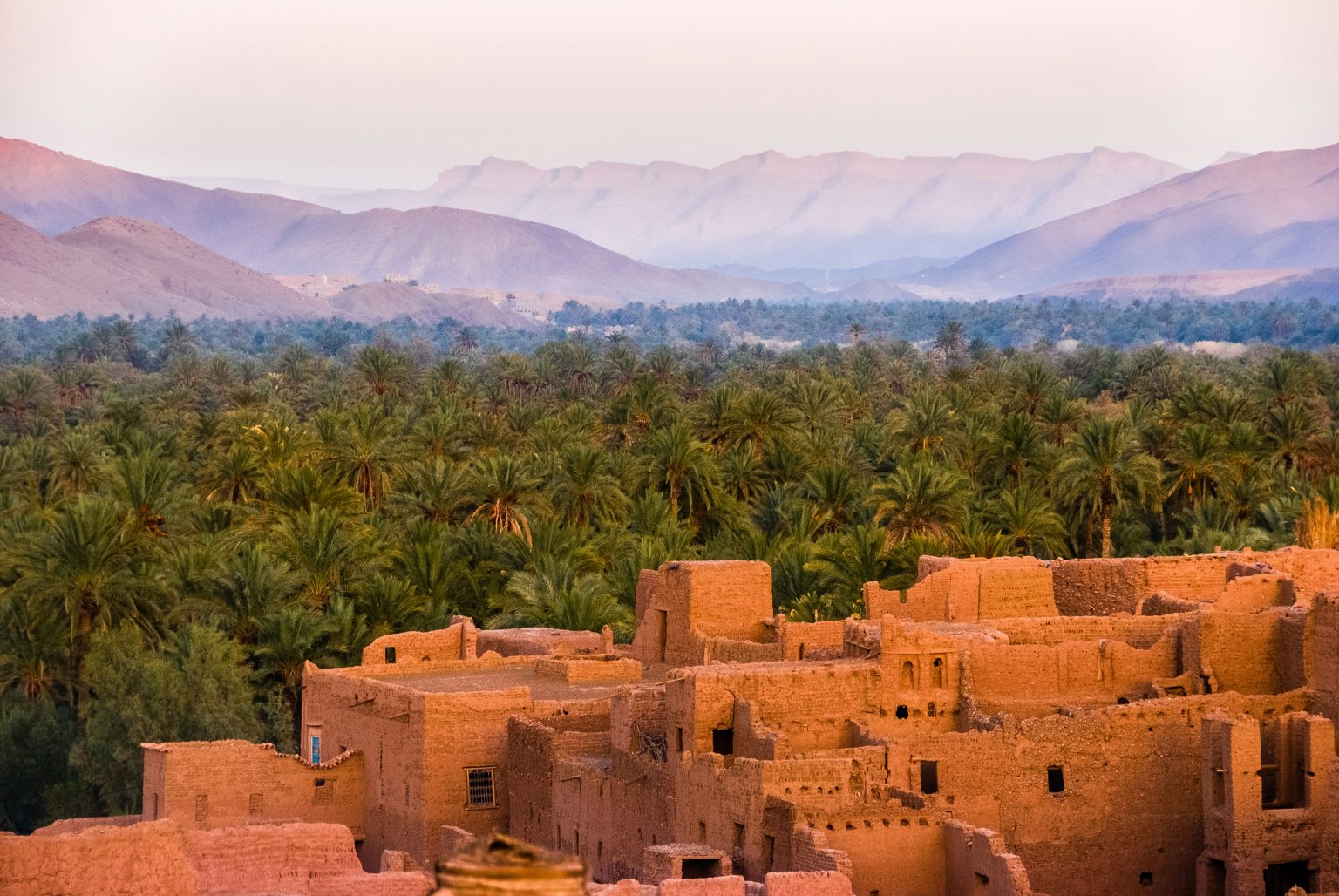
The Kingdom of Morocco, often referred to as the gateway to Africa, is a land of profound contrast and enduring beauty. From the snow capped peaks of the High Atlas Mountains to the undulating golden dunes of the Sahara Desert, the geography of the nation is as varied as its storied history. This is a place where ancient traditions coexist with modern aspirations, and where every city offers a distinct narrative. In twenty twenty five, Morocco has solidified its reputation as a world class destination, combining improved infrastructure, such as the Al-Boraq high speed train, with the timeless allure of its medieval medinas. For those looking to immerse themselves in a culture defined by hospitality and intricate craftsmanship, Morocco provides an experience that is both spiritually enriching and visually spectacular.
- 1. Navigating The Imperial Cities And Ancient Medinas
- 2. Adventure And Natural Wonders: From Peaks To Dunes
- 3. Coastal Charm And Maritime Traditions
- 4. Gastronomic Wealth: A Feast Of The Senses
- 5. Wellness And The Ritual Of The Hammam
- 6. Artistic Heritage And Master Craftsmanship
- Regional Highlights And Strategic Planning
- Practical Tips For The Modern Traveler
Travelers arriving in Morocco for the first time are often struck by the sensory intensity of the environment. The air is thick with the scent of cumin and orange blossom, the streets are a vibrant tapestry of zellige tilework, and the call to prayer provides a rhythmic backdrop to daily life. However, beyond the initial excitement lies a country of deep subtlety and warmth. Whether you are navigating the winding alleys of Fes or enjoying a glass of mint tea on a rooftop in Marrakech, the essence of the Moroccan experience is found in the connection between people and the land. The following guide explores the multifaceted attractions of this North African jewel, offering a comprehensive look at what to do in Morocco.
1. Navigating The Imperial Cities And Ancient Medinas
The Imperial Cities of Morocco—Marrakech, Fes, Meknes, and Rabat—serve as the historical pillars of the nation. Each was once the seat of power for a different dynasty, and each retains a unique architectural and cultural identity. Exploring these cities is essential for understanding the evolution of the Moroccan state and the sophisticated urban planning that has preserved these centers for over a millennium.
The Red City: Marrakech
Marrakech is arguably the most famous of the Imperial Cities, known for its red sandstone buildings and its high energy atmosphere. The heart of the city is Jemaa el-Fnaa, a vast public square that transforms every evening into a theater of the spectacular. Here, you will find musicians, storytellers, and food vendors creating a scene that has remained largely unchanged for centuries. Beyond the square, the city offers architectural marvels like the Bahia Palace, with its intricate carvings and peaceful courtyards, and the Saadian Tombs, a royal necropolis that showcases the height of Moroccan decorative art.
The Spiritual Heart: Fes
If Marrakech is the city of energy, Fes is the city of intellect and spirituality. The medina of Fes el-Bali is the largest car free urban area in the world and a UNESCO World Heritage site. Navigating its nine thousand narrow streets is like stepping back into the middle ages. It is home to the University of Al-Qarawiyyin, founded in eight hundred fifty nine and recognized as the oldest degree granting institution in the world. Visitors should also witness the traditional tanneries, such as Chouara, where leather is still dyed using ancestral methods in stone vats of vibrant pigment.
The Administrative Capital: Rabat
Rabat offers a more relaxed and orderly experience compared to the intensity of Fes or Marrakech. As the modern capital, it blends wide boulevards and green spaces with historic sites like the Kasbah of the Udayas. This fortified district, with its blue and white walls and Andalusian gardens, overlooks the Atlantic Ocean and provides a tranquil escape from the urban bustle. The Hassan Tower and the adjacent Mausoleum of Mohammed V are masterpieces of modern Moroccan architecture, reflecting the nation’s pride in its royal heritage.

2. Adventure And Natural Wonders: From Peaks To Dunes
For the outdoor enthusiast, Morocco is a playground of epic proportions. The diversity of its terrain allows for activities that range from high altitude trekking to desert expeditions. The natural world in Morocco is not just a backdrop; it is a vital part of the cultural landscape, shaped by the nomadic traditions of the Berber and Sahrawi people.
Summiting The High Atlas
The High Atlas Mountains are the backbone of Morocco, dividing the fertile plains of the north from the arid desert of the south. Mount Toubkal, at four thousand one hundred sixty seven meters, is the highest peak in North Africa and a popular destination for trekkers. The journey to the summit typically begins in the village of Imlil and takes two to three days, offering breathtaking views of the rugged landscape. Even for those not seeking the summit, the Atlas valleys are filled with traditional Berber villages where one can experience the hospitality of the mountain people and walk through terraced farms of walnut and cherry trees.
The Golden Silence Of The Sahara
A journey to the Sahara is a defining Moroccan experience. The most accessible dunes are found at Erg Chebbi near Merzouga and Erg Chigaga near Mhamid. Spending a night in a desert camp under a canopy of stars is a transformative experience, defined by the absolute silence of the desert. Travelers typically reach these camps via camel trek at sunset, allowing for a spectacular view of the changing colors of the sand. In twenty twenty five, many camps have adopted sustainable practices, utilizing solar power and minimizing their environmental impact to preserve the delicate desert ecosystem.
- Sandboarding: Gliding down the steep slopes of the Erg Chebbi dunes is a popular thrill for adventure seekers.
- 4×4 Expeditions: For those looking to cover more ground, off road tours can lead to remote oases and nomadic settlements.
- Stargazing: The lack of light pollution in the Sahara makes it one of the best places in the world for celestial observation.
The Gorges And Canyons
In the eastern part of the High Atlas, the Todra and Dadès Gorges offer some of the most dramatic scenery in the country. The Todra Gorge is a massive limestone canyon where the walls rise up to three hundred meters, leaving only a narrow path for the river and travelers. It is a world class destination for rock climbers and hikers. The Dadès Valley, known as the Valley of a Thousand Kasbahs, features unique geological formations known as the monkey fingers and a winding road that offers panoramic views of the red rock landscape.

3. Coastal Charm And Maritime Traditions
The Moroccan coastline stretches for over two thousand five hundred kilometers, meeting both the Mediterranean and the Atlantic. This maritime influence has created a series of coastal towns that offer a refreshing alternative to the desert heat and the mountain chill. These cities are centers of art, trade, and water sports, reflecting the country’s long history as a naval power.
The Windy City: Essaouira
Essaouira is perhaps the most beloved coastal destination in Morocco. Known for its strong Atlantic breezes, it is a haven for windsurfers and kitesurfers. The city’s medina is a UNESCO site, characterized by its whitewashed houses with blue shutters and its massive stone ramparts that look out over the sea. Essaouira has a distinctly artistic vibe, with numerous galleries showcasing the work of local painters and woodcarvers. The harbor is a hub of activity where blue fishing boats bring in the daily catch, which can be enjoyed grilled fresh at the nearby stalls.
The Surfer’s Paradise: Taghazout
Located north of Agadir, Taghazout has evolved from a quiet fishing village into one of the premier surfing destinations in the world. Famous for its long point breaks like Anchor Point, it attracts a global community of surfers throughout the year. The town retains a laid back, bohemian atmosphere, with a focus on wellness, yoga, and sustainable living. In twenty twenty five, Taghazout has also seen the development of high end eco resorts that cater to those looking for a luxury surf experience.
The Mediterranean White Dove: Tetouan
In the north, Tetouan provides a different aesthetic, heavily influenced by its proximity to Spain and its Andalusian heritage. The city is known as the White Dove because of its pristine white buildings nestled against the green hills of the Rif Mountains. The medina is one of the best preserved in Morocco and offers a more authentic, less commercialized look at urban life. Nearby, the Mediterranean beaches of Martil and Cabo Negro provide calm, turquoise waters that are perfect for families and relaxation.
4. Gastronomic Wealth: A Feast Of The Senses
Moroccan cuisine is a celebrated fusion of Berber, Arab, Andalusian, and Mediterranean influences. It is characterized by the use of aromatic spices, dried fruits, and the slow cooking techniques that allow flavors to develop and deepen. For the traveler, eating in Morocco is not just about sustenance; it is a cultural ritual that emphasizes community and hospitality.
The Icon Of The Tagine
The tagine is both the name of the conical clay pot and the slow cooked stew prepared within it. This method of cooking retains moisture and creates incredibly tender meat and vegetables. Common varieties include lamb with prunes and almonds, chicken with preserved lemons and olives, and vegetable medleys seasoned with ras el hanout, a complex spice blend that can contain over thirty different ingredients. Sharing a tagine with fresh khobz (Moroccan bread) is the quintessential dining experience in the country.
Couscous And Ritual
Couscous is the national dish of Morocco and is traditionally served on Fridays, the Islamic holy day. It consists of steamed semolina grains topped with a rich stew of seven vegetables and often beef or chicken. The process of preparing couscous is labor intensive and is often a communal activity among the women of a household. In twenty twenty five, travelers can participate in cooking classes in cities like Marrakech and Essaouira, learning the delicate art of hand rolling and steaming the grains to achieve the perfect texture.
Street Food And Sweets
The streets of the medinas are a treasure trove for food lovers. You might find stalls selling harira, a hearty lentil and tomato soup used to break the fast during Ramadan, or skewers of spiced meat known as brochettes. For the adventurous, the night markets of Marrakech offer delicacies like snails in herbal broth or sheep’s head. To finish a meal, Moroccans enjoy a variety of pastries such as chebakia (honey coated sesame cookies) or horn of the gazelle (almond paste filled pastry), always accompanied by a glass of hot mint tea, known jokingly as Berber whiskey.
5. Wellness And The Ritual Of The Hammam
The hammam, or traditional steam bath, is a cornerstone of Moroccan social and physical life. It is a practice that dates back to the Roman era and has been adapted into an essential ritual for cleanliness and relaxation. For the traveler, a visit to a hammam is a deep dive into the local culture and an opportunity for profound rejuvenation.
The Traditional Experience
In every neighborhood, you will find a public hammam where locals gather weekly. The experience involves a series of heated rooms where you are scrubbed with black soap (sabon beldi) and a coarse mitt (kessa) to remove dead skin. This is followed by a rhassoul clay mask and a rinse with cool water. It is a social and communal space where the hierarchies of daily life are stripped away. Visiting a local hammam requires a sense of adventure and a willingness to embrace the local customs, but it provides an unmatched level of skin exfoliation and relaxation.
The Luxury Spa Variation
For those seeking a more private and indulgent experience, Morocco is home to some of the world’s most beautiful luxury spas. Many riads and high end hotels have their own private hammams, offering elevated versions of the traditional ritual. These often include the use of high quality argan oil, rose water, and essential oils, followed by a professional massage. Whether in a neighborhood bathhouse or a palace spa, the hammam remains one of the best things to do in Morocco for the mind and body.

6. Artistic Heritage And Master Craftsmanship
The visual identity of Morocco is defined by its commitment to traditional crafts. The artisans, or maâlems, spend years mastering their trade, passing down techniques from one generation to the next. This heritage is visible in every corner of the country, from the carpets on the floors to the lamps hanging from the ceilings.
Zellige And Plasterwork
The intricate geometric mosaics known as zellige are a hallmark of Moroccan architecture. These hand cut tiles are used to decorate everything from fountains to palace walls, creating hypnotic patterns that reflect Islamic principles of infinity and order. Similarly, the carved plasterwork and cedar wood ceilings found in madrasas and riads showcase an incredible level of detail and patience. A visit to the Ben Youssef Madrasa in Marrakech provides a masterclass in these decorative arts.
Textiles And Ceramics
Moroccan rugs are world famous for their quality and symbolic patterns. Each tribe has its own distinct style, from the thick, colorful wool rugs of the Middle Atlas to the flat woven kilims of the desert. Buying a rug in a Moroccan souk is a rite of passage for many travelers, involving a long process of negotiation and tea drinking. Ceramics are another vital craft, particularly in Fes and Safi, where the blue and white pottery is produced using local clay and natural pigments. These items are not just souvenirs; they are functional pieces of art that carry the soul of the artisan.
The Blue Pearl: Chefchaouen
The town of Chefchaouen in the Rif Mountains is perhaps the most photogenic example of Moroccan aesthetics. The entire medina is painted in varying shades of blue, a tradition that is said to symbolize the sky and heaven or to act as a natural deterrent for mosquitoes. Walking through the quiet, blue washed streets of Chefchaouen is a surreal experience that highlights the country’s unique relationship with color and light. It is a place that feels like a living painting, inviting slow exploration and constant wonder.
Regional Highlights And Strategic Planning
| Region | Primary Feature | Best For |
| Marrakech and South | Palaces and Sahara | Iconic sights and desert adventure |
| Fes and Meknes | Medieval History | Intellectual and spiritual exploration |
| High Atlas Mountains | Toubkal and Berber Villages | Trekking and mountain culture |
| Atlantic Coast | Essaouira and Taghazout | Surfing, windsurfing, and fresh seafood |
| The North | Tangier and Chefchaouen | Mediterranean vibes and photography |
| The Middle Atlas | Ifrane and Cedar Forests | Alpine scenery and wildlife viewing |
Practical Tips For The Modern Traveler
Traveling in Morocco in twenty twenty five is more convenient than ever, but it still requires a degree of preparation and cultural awareness. Respecting local customs, particularly regarding dress and photography, will ensure a more positive interaction with the residents. In more conservative rural areas and medinas, it is recommended to keep shoulders and knees covered.
Language is another important consideration. While Arabic and Berber are the official languages, French is widely spoken in business and tourism, and English is becoming increasingly common among the younger generation. Learning a few basic phrases in Arabic, such as “Shukran” (Thank you) or “Salam Alaikoum” (Peace be with you), is highly appreciated and can open many doors.
Finally, the concept of time in Morocco can be fluid. The pace of life is often slower, and things may not always happen on a strict schedule. Embracing this shift and allowing for spontaneous encounters is part of the magic of the journey. Whether you are bargaining for a lamp in the souk or waiting for your tagine to finish cooking, the experience is about the process as much as the result. Morocco is a country that rewards those who are willing to look beneath the surface and engage with its deep layers of history and humanity.
Reflecting on the vast array of experiences available, it becomes clear why Morocco remains a top choice for travelers from around the globe. It is a nation that manages to be both exotic and accessible, ancient and modern, challenging and comforting. A trip to the Kingdom is an invitation to witness a world of unparalleled beauty and to participate in a culture that has mastered the art of living well. From the peaks of the Atlas to the heart of the medina, Morocco stays with you long after you have returned home.