




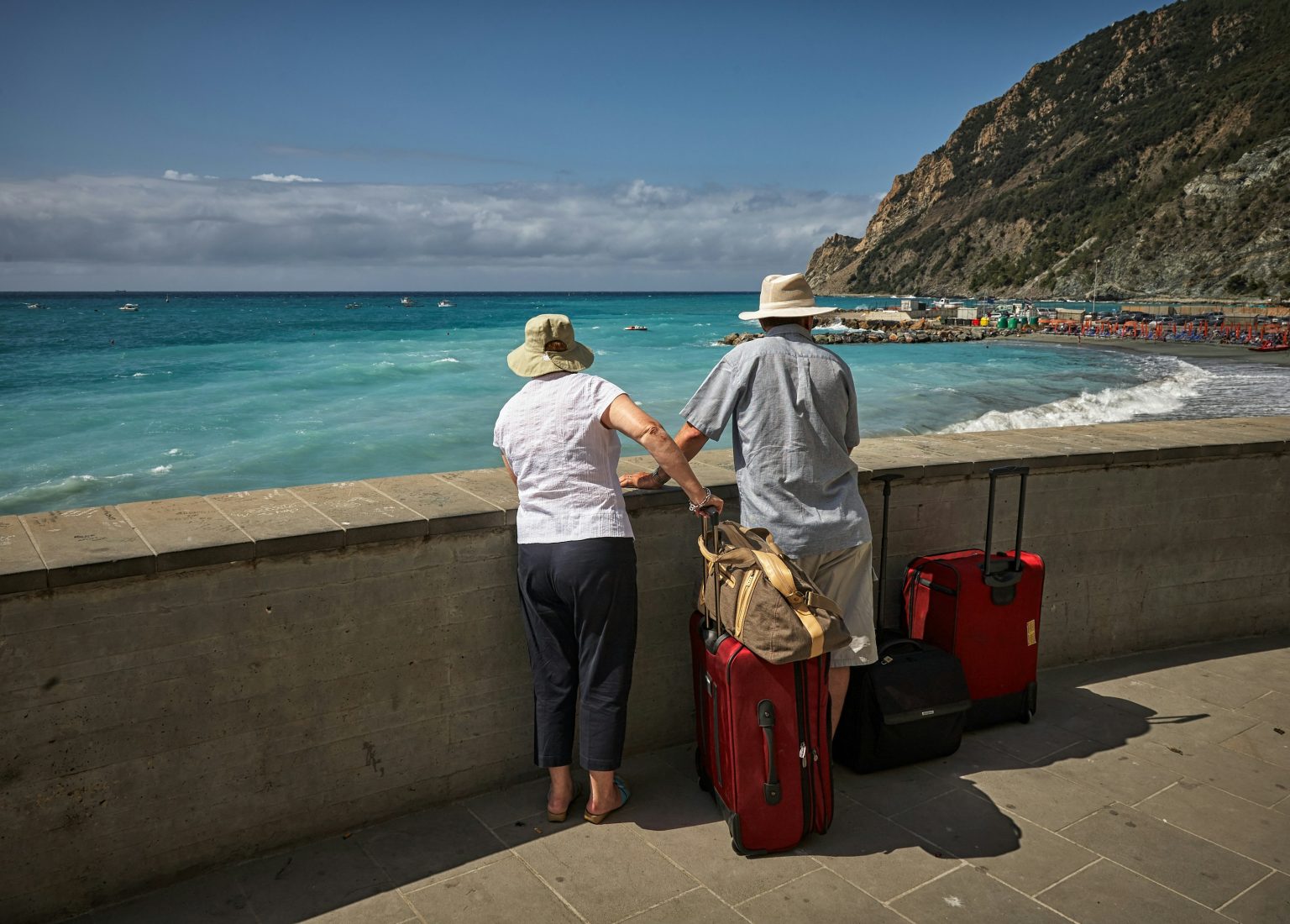
Extended travel represents a fundamental shift in how an individual interacts with the physical world, moving away from the comforts of a fixed residence toward a lifestyle defined by mobility and adaptation. This transition requires a reevaluation of the necessity and utility of every object carried, as the weight of one’s possessions directly influences the ease of movement across borders and through varying climates. Historically, the act of packing for a journey of several months or years was seen as a logistical burden, but in the modern era, it has evolved into a disciplined practice of essentialism. The geographic diversity of a global itinerary demands a selection of items that are versatile, durable, and capable of serving multiple functions across a variety of cultural and environmental contexts.
Travelers who commit to long duration journeys often seek a sense of liberation that comes from living with less. The experience is framed by the desire to remain agile, allowing for spontaneous changes in plans without the constraint of heavy or excessive luggage. There is a specific psychological shift that occurs when a traveler realizes that their entire life is contained within a single bag, leading to a greater appreciation for the experiences encountered rather than the items owned. This approach to preparation is not merely about physical objects but about fostering a mindset of readiness and resilience. It is an intentional choice to prioritize the journey over the baggage, ensuring that the logistics of travel do not overshadow the purpose of the exploration itself.
This article explores the strategic framework for selecting gear and apparel that supports a sustained period of global movement. It examines the importance of modular clothing systems, the role of organizational tools in maintaining order, and the essential nature of digital and health related infrastructure. By focusing on the practical and experiential value of each category, the following sections provide a guide for creating a kit that is both lightweight and comprehensive. The objective is to facilitate a deeper engagement with the destination by removing the friction of poor preparation. The narrative offers a path toward a more intentional form of travel, where the focus remains on the discovery of the world and the flexibility of the individual.
The Philosophy of Minimalist Preparation
The foundation of a successful long duration journey lies in the commitment to minimalist preparation, where the utility of an item is measured by its frequency of use and its ability to solve multiple problems. This approach matters because physical weight is the primary cause of fatigue and logistical frustration during extended transit. By reducing the volume of possessions, a traveler gains the ability to use public transport more easily, walk through urban centers without assistance, and avoid the complications of checked baggage. Minimalist preparation is a declaration of independence from the clutter of modern life, allowing the traveler to focus entirely on the nuances of the environments they inhabit.
General exploration of this philosophy involves a rigorous process of vetting every potential inclusion against the realities of life on the road. Travelers typically begin by laying out everything they believe they need and then systematically removing items that are redundant or specialized for only one type of activity. The goal is to create a kit where every component works in harmony with the others, creating a system that is greater than the sum of its parts. This process requires a realistic assessment of one’s needs versus one’s fears, moving away from the “just in case” mentality that leads to overpacking. It is a disciplined exercise in foresight and prioritization that sets the tone for the entire journey.
Specific examples of this mindset in action include the selection of a single, high quality pair of footwear that can transition from a mountain trail to a city evening, or a versatile wrap that functions as a blanket, a scarf, and a modest covering for religious sites. Instead of carrying multiple specialized garments, the traveler chooses pieces with neutral colors and classic silhouettes that can be combined in various ways. Another example is the use of a single multi port charger that replaces a collection of individual power bricks, reducing both weight and cable management issues. These choices reflect a focus on quality over quantity, where the value of an item is found in its enduring performance and its unobtrusive presence.
The experiential value of minimalist preparation is found in the profound sense of freedom it provides. It allows the traveler to be a participant in the world rather than a spectator burdened by their belongings. By carrying less, one is more likely to engage with the local culture, as the barriers between the traveler and the environment are lowered. This philosophy encourages a more flexible and responsive way of moving, where the traveler can easily adapt to new opportunities and challenges. Ultimately, minimalist preparation is an investment in the quality of the travel experience, ensuring that the focus remains on the internal growth and external discoveries that define a long duration journey.
Modular Clothing and Layering Systems
Apparel constitutes the most significant portion of a travel kit, and for long duration trips, the emphasis must be on a modular layering system that can adapt to shifting temperatures. This type of experience matters because a traveler may move from a tropical coastline to a high altitude mountain range within the span of a few weeks. Rather than carrying heavy coats or specialized summer gear, a modular system utilizes lightweight pieces that can be stacked to provide warmth or worn individually to manage heat. This approach ensures that the traveler is prepared for any climate without the need for a massive wardrobe. It is a practical solution to the unpredictability of global weather patterns.
Travelers engage with this aspect of preparation by selecting fabrics that offer high performance in terms of moisture management, odor resistance, and durability. The general strategy is to build a wardrobe around a base layer, an insulating layer, and a protective outer shell. This allows for fine tuned adjustments to the microclimate around the body, whether sitting on a drafty overnight bus or walking through a humid urban market. The focus is on technical fibers like merino wool or high grade synthetics that can be washed in a sink and dried overnight, reducing the reliance on professional laundry services. This self sufficiency is a hallmark of the experienced long duration traveler.
A well constructed clothing module might include the following items:
- Three to five sets of moisture wicking undergarments
- Two pairs of lightweight, quick drying trousers
- Three merino wool t-shirts for natural temperature regulation
- One long sleeve button down shirt for sun protection and formal settings
- A compact down or synthetic insulated jacket for cold environments
- A high quality waterproof and windproof shell
- One pair of versatile walking shoes and one pair of durable sandals
These items are chosen for their ability to blend into different social contexts, avoiding the overly “backpacker” aesthetic in favor of a neutral, respectful appearance. The use of merino wool is particularly meaningful because it remains fresh for multiple days of wear, significantly reducing the total volume of clothing required.
The practical value of a modular clothing system is found in the consistent comfort and professional appearance it offers regardless of the location. It removes the stress of being underdressed for a sudden cold snap or overdressed for a tropical afternoon. By selecting pieces that are easy to maintain, the traveler saves time and money that would otherwise be spent on garment care. This efficiency contributes to a deeper enjoyment of the destination, as the traveler is not constantly preoccupied with their physical comfort or the state of their laundry. A thoughtful clothing system is a silent partner in the journey, providing protection and confidence across the globe.

Organizational Tools and Luggage Selection
The container used to carry one’s life and the internal systems used to organize it are the primary tools of the long duration traveler. Maintaining order matters because the frequent packing and unpacking associated with a mobile lifestyle can quickly lead to frustration and the loss of essential items. A well organized bag allows for immediate access to what is needed, whether it is a passport at a border crossing or a rain jacket during a sudden downpour. Furthermore, the choice of luggage influences the physical health of the traveler, as a poorly fitting pack can lead to chronic strain and fatigue. Proper organization is the key to maintaining a sense of calm and control in the midst of constant movement.
Generally, the exploration of luggage options leads most experienced travelers toward a high quality backpack or a versatile carry on sized suitcase. The preference is often for a bag that fits within the dimensions of airline cabin baggage, as this eliminates the risk of lost luggage and the wait times at carousel belts. Internal organization is achieved through the use of packing cubes, which function like drawers within the bag, keeping different categories of items separate and compressed. This system allows the traveler to find exactly what they need without disturbing the rest of the kit. It also makes the daily ritual of packing much faster and more efficient, contributing to a more seamless transition between destinations.
Specific examples of essential organizational gear include:
- Compression packing cubes to maximize internal space
- A dedicated electronics pouch to prevent cable tangling
- A waterproof dry bag for protecting sensitive items or separating laundry
- A lightweight daypack for daily excursions that packs down flat
- A secure money belt or hidden pouch for high value documents
- TSA approved locks for securing zippers in shared spaces
The selection of a bag with a supportive harness system or high quality wheels is meaningful because it transforms the act of transit from a chore into a manageable task. A bag that is designed for the human form or for the realities of uneven city streets reflects an understanding of the physical demands of travel. The use of color coded cubes or labeled pouches further enhances the efficiency of the system, ensuring that everything has a designated home.
The experiential value of a well organized bag is found in the reduced cognitive load it places on the traveler. When the logistics of managing possessions are automated through a good system, the mind is free to focus on the surroundings and the interactions of the journey. There is a specific satisfaction in being able to pack one’s entire life in under five minutes, a skill that provides a sense of mastery over the environment. This level of organization supports a more intentional and relaxed form of travel, where the friction of daily life is minimized. Ultimately, the right luggage and organizational tools are the infrastructure upon which a successful long duration journey is built.
Health, Hygiene, and Maintenance Kits
Maintaining physical well being and personal hygiene is a critical challenge during extended travel, especially when moving between regions with different standards of sanitation and medical access. This category matters because a minor illness or a small injury can become a major complication when one is far from home and familiar resources. A compact but comprehensive health and hygiene kit allows the traveler to manage most common issues independently, ensuring that they can continue their journey with minimal disruption. It is also an act of self care that preserves the energy and morale required for long term exploration. Proper maintenance of the body and the gear is essential for the longevity of the trip.
Travelers engage with health and maintenance by creating a centralized kit that is both portable and resilient. The general strategy is to carry a small supply of essential medications, first aid supplies, and solid toiletries that are not subject to liquid restrictions. Solid shampoo, conditioner, and soap bars are particularly useful because they last longer than liquids and cannot leak inside a bag. The kit also includes tools for the maintenance of the clothing and gear, such as a small sewing kit or a length of duct tape for emergency repairs. This preparedness reflects a proactive approach to the inevitable wear and tear of the road, ensuring that the traveler can handle small problems before they escalate.
A representative health and maintenance kit might include:
- Broad spectrum antibiotics and basic pain relief
- Antihistamines and rehydration salts
- A small selection of bandages and antiseptic wipes
- Solid toiletries to save space and avoid leaks
- A quick drying microfiber towel for use in various settings
- A compact sewing kit and multi tool for gear repairs
- Sunscreen and insect repellent in concentrated forms
These items are selected for their high utility and low volume, providing a safety net that is easily carried. The inclusion of rehydration salts is meaningful because it addresses one of the most common health issues faced by travelers in hot or developing regions. The focus on solid products and multi use tools reflects the broader philosophy of efficiency and self sufficiency.
The practical value of a health and hygiene kit is found in the confidence and security it provides. It allows the traveler to venture into more remote or challenging areas with the knowledge that they can manage basic needs. By having the tools to maintain their own gear, the traveler extends the life of their possessions and reduces the need for expensive replacements. This self reliance is a source of pride and a necessary component of a long duration journey. Ultimately, the health and maintenance kit is an investment in the traveler’s most important asset: their own vitality. It ensures that the journey is defined by discovery rather than by the struggle to maintain one’s well being.

Digital Infrastructure and Documentation
In the modern era, a traveler’s digital infrastructure and documentation are as important as their physical gear. This category matters because the ability to navigate, communicate, and manage finances depends on a reliable set of digital tools. Furthermore, the preservation of essential documents like passports, visas, and insurance records is a legal and practical necessity for crossing borders and accessing services. A well prepared traveler ensures that their digital life is secure, accessible, and resilient, protecting them from the risks of theft, loss, or technical failure. This preparation is the invisible backbone of the journey, facilitating the logistics of modern global movement.
General exploration of digital infrastructure involves the selection of a few high quality devices and a robust system for data management. Travelers typically carry a primary device, such as a smartphone or a lightweight laptop, which serves as a portable office and navigation center. They also utilize cloud storage to keep digital copies of all important documents, ensuring that they can be accessed from any internet connected device if the physical copies are lost. The use of a virtual private network and secure password managers provides a necessary layer of protection when using public networks in different countries. This digital hygiene is essential for maintaining privacy and financial security during an extended period of travel.
Specific examples of digital and administrative essentials include:
- A high capacity portable power bank for long transit days
- A universal travel adapter that works in multiple regions
- Digital and physical copies of the passport and vaccination records
- A multi currency debit card to minimize transaction fees
- Offline maps and translation applications for remote navigation
- A small notebook and pen for analog notes and reminders
- Emergency contact information and insurance policy details
The inclusion of a portable power bank is meaningful because it ensures that the traveler’s primary navigation and communication tool remains functional in critical moments. The focus on multi currency financial tools reflects the need for flexibility in a global economy. These digital and administrative choices are designed to reduce the friction of international travel and provide a safety net in case of emergencies.
The experiential value of a solid digital infrastructure is found in the ease and clarity it brings to the journey. It allows the traveler to manage the complex logistics of booking transport, finding accommodation, and communicating with family with minimal stress. By having all documentation organized and accessible, the traveler can navigate border crossings and official interactions with confidence. This digital readiness supports a more informed and engaged form of travel, where the information required to understand a destination is always at hand. Ultimately, the digital and administrative kit is a tool for empowerment, ensuring that the traveler remains connected and secure while exploring the furthest reaches of the globe.

Tools for Cultural and Social Engagement
While the majority of a packing list is focused on utility and protection, the most meaningful items are often those that facilitate a deeper engagement with the local culture and the people encountered. This category matters because the ultimate goal of travel is to move beyond the role of a consumer and toward the role of a participant in the global community. Small, thoughtful items can serve as bridges between the traveler and the local population, creating opportunities for interaction that would otherwise not exist. These tools are not about physical survival but about the social and intellectual growth that occurs when one is open to the world. They reflect a commitment to intentional and respectful exploration.
Travelers engage with this aspect of preparation by including a few items that are designed for sharing, learning, or creative expression. The general strategy is to carry objects that can facilitate communication or provide a way to give back to the communities visited. This might include small tokens from one’s home country to share with hosts, a deck of cards for communal games, or a basic set of art supplies for documenting the journey. The focus is on items that have low weight but high social value, encouraging a more human and personal approach to travel. This preparation acknowledges that the most valuable part of the journey is the relationships formed along the way.
Specific examples of engagement tools include:
- A small phrasebook or language learning application
- Lightweight postcards or small gifts from home to share with locals
- A high quality camera or sketchbook for creative documentation
- A deck of cards or a small portable game for social interaction
- A dedicated travel journal for reflecting on the experience
- A reusable water bottle and shopping bag to minimize environmental impact
- An open mind and a willingness to participate in local customs
The inclusion of a reusable bottle and bag is meaningful because it reflects a respect for the local environment and a desire to be a responsible visitor. The use of a journal or a camera provides a way to process and preserve the insights gained during the journey, transforming the trip into a lasting record of personal evolution. These tools for engagement are the most personal part of the kit, reflecting the individual’s unique approach to the world.
The practical value of these social tools is found in the enriched quality of the travel experience. They turn a simple transit into an opportunity for connection and a chance to learn about the lives of others. By being prepared to engage with the culture in a respectful and creative way, the traveler gains a more nuanced understanding of the destination. This focus on participation and sharing is what elevates a trip from a series of sights into a transformative life event. Ultimately, the tools for cultural engagement are the heart of the packing list, ensuring that the traveler remains open, curious, and connected to the diverse beauty of the human family.
Reflecting on the preparation for long duration travel reveals that the act of packing is a profound exercise in defining one’s values and intentions. The journey is not just a movement through space but a test of one’s ability to thrive with the essentials, finding meaning in the experiences rather than the possessions. By choosing gear that is versatile, durable, and respectful of the environment, the traveler creates a foundation for a successful and fulfilling exploration of the world. This approach to preparation encourages a sense of personal discovery and a flexible mindset, where the challenges of the road are met with resilience and grace. The process of curating a travel kit is a reminder that the most important things carried are the ones that cannot be packed: curiosity, empathy, and a spirit of adventure.
The experience of the world is best approached with a sense of intentionality and a willingness to embrace the simplicity of a mobile lifestyle. By moving between the different categories of preparation and finding the balance between utility and engagement, the traveler can create a journey that is both practical and deeply meaningful. It is an invitation to witness the beauty of the planet and the diversity of its people without the burden of excess baggage. The true value of long duration travel lies in the realization that the less we carry, the more we are able to receive. Ultimately, a well prepared journey is a path toward a more authentic and connected way of living, where the entire world becomes a home and the horizon is the only limit.