




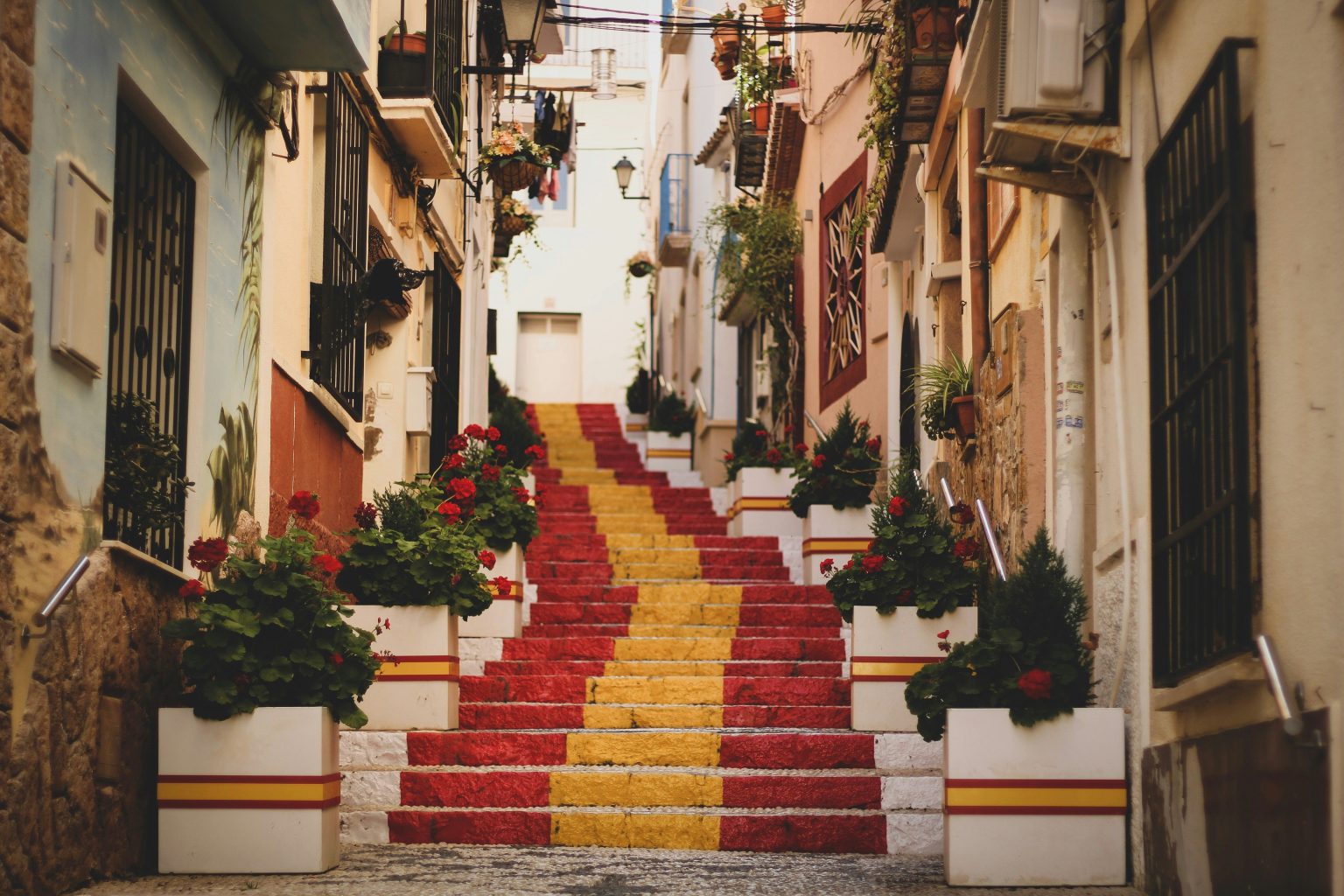
Spain occupies a diverse geographic position at the southwestern edge of Europe, acting as a historical and cultural bridge between the Mediterranean and the Atlantic. The territory is defined by a central plateau known as the Meseta, which is surrounded by jagged mountain ranges and a vast coastline that stretches for thousands of kilometers. Its history is a complex tapestry of Roman, Visigothic, and Moorish influences, each leaving a permanent mark on the architecture, language, and social customs of the various regions. This geographic variety has fostered a collection of distinct identities where the green valleys of the north contrast sharply with the sun parched plains of the south and the volcanic landscapes of the islands.
Travelers arriving in Spain often seek an experience that balances the energy of contemporary urban life with the preservation of ancient traditions. The current travel climate in the country is increasingly focused on the concept of slow and intentional movement, where visitors prioritize deeper connections with specific provinces rather than rapid transit between major landmarks. There is a growing appreciation for the nuances of regional gastronomy, the significance of local festivals, and the artistic movements that have emerged from the unique light and landscape of the peninsula. This shift in perspective allows for a more immersive engagement with a culture that values the quality of the public sphere and the persistence of the community.
This article explores the essential regions and experiences that define the Spanish travel landscape, with a focus on the cities and coastlines that represent the nation’s cultural evolution. It examines the architectural significance of the urban centers, the maritime traditions of the coast, and the historical weight of the inland provinces. By focusing on the ways in which geography and history intersect, the following sections provide a guide for meaningful exploration. The narrative follows a path from the modernist streets of the northeast through the heritage of the south and the rugged beauty of the Atlantic coast, offering a framework for understanding the diverse character of the Spanish state.

Urban Vitality and Modernist Legacies
The urban environments of Spain serve as the primary stages for the nation’s ongoing dialogue between its historical foundations and its modern ambitions. These cities are central to the Spanish experience because they function as hubs of creative innovation where the architectural heritage of the past is actively integrated into the daily lives of millions. The urban landscape is characterized by wide boulevards, dense medieval quarters, and an emphasis on the plaza as a social anchor for the community. Understanding these spaces requires looking at how the built environment facilitates a lifestyle that is public, social, and deeply connected to the aesthetic movements of the nineteenth and twentieth centuries.
General exploration in these metropolitan areas often involves navigating a series of distinct neighborhoods that reflect different eras of urban planning. Travelers move through the remnants of Roman walls, the narrow passages of Jewish quarters, and the expansive grids of modern expansions. The experience is defined by the variety of the visual landscape, where Gothic cathedrals stand in close proximity to avant garde structures. There is a palpable sense of energy in the streets, supported by a transit infrastructure that connects the historical cores with the rising creative districts. It is an environment that rewards those who take the time to observe the intricate details of the building facades and the vibrant life of the public squares.
Barcelona provides a significant example of this architectural density, especially as it approaches major milestones in its modernist history. The work of Antoni Gaudi and his contemporaries remains a central focus, with structures like the Sagrada Familia continuing to evolve and reach new heights. Beyond the famous landmarks, the Eixample district offers a study in visionary urban design, with its chamfered corners and hidden courtyards. Madrid, the capital, offers a different perspective through its royal history and its collection of world class art institutions. The city serves as a grand stage where the neoclassical architecture of the Bourbon era meets the dynamic pulse of a contemporary European capital, providing a space for both reflection and engagement.
The practical value of visiting these major urban centers lies in the witness of a society that successfully manages the complexities of modernization while honoring its artistic past. It offers a perspective on how architecture can shape social interaction and foster a sense of civic identity. For the traveler, these cities provide a high level of cultural access and an opportunity to see how Spanish history continues to influence global trends in design and urbanism. Engaging with the urban vitality of the country is an essential step in understanding the creative spirit that drives the national identity.
Moorish Heritage and Southern Regional Identity
The southern region of Andalusia represents a profound intersection of European and North African influences, shaped by centuries of Moorish rule followed by the Christian Reconquest. This history is central to the southern identity, visible in the intricate geometry of its monuments and the specific layout of its whitewashed villages. The landscape is one of vast olive groves, rolling hills, and a climate that has historically dictated a lifestyle of shaded patios and evening social gatherings. Exploring the south involves a focus on the preservation of traditional arts, such as the rhythmic intensity of flamenco and the seasonal cycles of the agricultural land.
Exploration in the south typically follows the path of the former caliphates, moving between the major historical centers that once served as beacons of science and philosophy. Travelers observe the contrast between the fortress like exteriors of the buildings and the lush, water filled gardens that lie within. The experience is often defined by the play of light and shadow across the stone surfaces and the scent of orange blossoms that fills the city streets during the spring. There is a strong emphasis on the continuity of local customs, where religious processions and regional fairs remain the most important events on the social calendar.
Seville functions as a primary gateway to this heritage, with its massive cathedral and the Royal Alcazar showcasing a blend of Islamic and Christian architectural styles. The city’s old quarters are a maze of narrow streets that provide natural cooling and a sense of intimate history. Granada offers a different atmosphere, situated at the foot of the Sierra Nevada mountains and dominated by the Alhambra palace complex. This site remains one of the most significant examples of Islamic art in the world, representing a peak of aesthetic and engineering achievement. Nearby, the city of Cordoba provides a look at the former capital of the Umayyad Caliphate, where the Mezquita stands as a testament to the layering of religious and architectural traditions over time.
Visiting the southern provinces allows for an appreciation of the complex cultural heritage that distinguishes Spain from its neighbors. It reveals the importance of the Mediterranean exchange in shaping the food, music, and social structures of the region. For the traveler, the south offers a sense of the endurance of tradition and the ways in which historical layers can create a rich and multifaceted local identity. This engagement with the Moorish past is fundamental to understanding the broader narrative of the peninsula and the diverse influences that have formed the Spanish character.

Maritime Traditions and Coastal Exploration
The Spanish coastline offers a variety of environments that range from the rugged cliffs of the north to the sandy bays of the Mediterranean and the volcanic shores of the islands. These coastal regions are essential to the nation because they have historically functioned as the primary points of contact for trade, exploration, and the development of the maritime economy. The architecture and the social life of the coast are deeply influenced by the sea, resulting in a culture that values the preservation of the maritime environment and the traditions of the fishing communities. Exploring the coast provides a look at the relationship between human habitation and the dynamic forces of the water.
General engagement with the coast involves moving through a series of maritime landscapes that have been preserved for their ecological and aesthetic value. Travelers often follow coastal paths that connect small ports, hidden coves, and expansive beaches, observing the ways in which the terrain has shaped the development of the local towns. The experience is defined by the sensory input of the sea, the sound of the waves, and the clarity of the coastal light. There is a growing focus on the sustainable management of these areas, where the goal is to balance the needs of the population with the protection of the fragile coastal ecosystems.
The Costa Brava in the northeast is known for its rocky terrain and the hiking routes of the Cami de Ronda, which provide a direct encounter with the Mediterranean landscape. These paths allow for a slow exploration of the region, where the pine forests meet the turquoise waters and the small villages maintain their historical charm. Further south, the city of Alicante has emerged as a center of coastal history, with its medieval fortress overlooking a vibrant harbor and a modern promenade. The Balearic Islands, particularly Mallorca, offer a sophisticated look at island life where the mountainous interior and the hidden calas provide a space for quiet reflection and outdoor activity.
The value of exploring the coastal regions lies in the recognition of the environmental diversity that exists within the Spanish territory. It highlights the importance of the sea as a source of identity, sustenance, and inspiration for the people. For the traveler, the coast offers a sense of the vastness of the maritime world and the ways in which the local culture has adapted to the challenges and opportunities of the shoreline. This connection to the water is a vital part of the Spanish story and a highlight of any journey through the provinces.
Northern Landscapes and Atlantic Culture
The northern reaches of Spain, including the Basque Country, Cantabria, Asturias, and Galicia, provide a stark contrast to the sun baked images often associated with the country. This region is defined by its green mountains, its rainy climate, and its direct exposure to the powerful currents of the Atlantic Ocean. The culture of the north is one of independence, ancient languages, and a deep respect for the bounty of the land and the sea. Exploring the north involves a focus on the rugged beauty of the landscape and the sophisticated culinary traditions that have emerged from the high quality local ingredients.
Exploration in the north usually centers on the relationship between the mountains and the sea, where the terrain often drops sharply into the water. Travelers navigate deep estuaries, high mountain passes, and dense forests that feel more connected to the Celtic and Atlantic traditions of northern Europe. The experience is defined by the changing weather patterns and the lushness of the vegetation, creating a landscape that is both dramatic and serene. There is a strong emphasis on the preservation of regional languages and the maintenance of a social structure that is closely tied to the small farming and fishing communities.
Bilbao has undergone a significant transformation into a center of contemporary art and architecture, with the Guggenheim Museum acting as a symbol of the city’s modern renewal. In San Sebastian, the focus is on the urban integration with the sea, where the circular bay of La Concha provides a natural theater for the life of the city. Further west, Galicia offers a spiritual and historical destination in Santiago de Compostela, the final point of the ancient pilgrimage route. The city is built of local granite and is characterized by its grand cathedral and the constant flow of people from all over the world, creating an atmosphere of international exchange and historical depth.
The experiential value of visiting the northern provinces is found in the understanding of the pluralistic nature of the Spanish state. It highlights the importance of regional identity and the ways in which the environment dictates the character of the culture. For the traveler, the north offers a sense of perspective and a chance to witness a version of Spain that is rooted in the Atlantic world and the ancient traditions of the green mountains. This engagement with the north is a necessary part of a complete journey, revealing the layers of complexity that exist within the national identity.

Historical Heartlands and Inland Traditions
The interior of Spain, dominated by the vast plains of the Meseta, is the historical heartland where the foundations of the Spanish state were established. This region is essential for understanding the transition from the medieval kingdoms to the unified nation, as it contains the castles, monasteries, and walled cities that served as the centers of power for centuries. The landscape is one of high altitudes, extreme temperatures, and a sense of space that is both humbling and evocative. Exploring the heartland involves a focus on the monumental architecture and the enduring traditions of the central provinces.
General exploration of the interior involves moving across the plateau to reach the isolated cities that have remained largely unchanged in their physical structure. Travelers observe the defensive nature of the architecture, where heavy stone walls and high towers provide a sense of security and permanence. The experience is one of historical immersion, where the silence of the plains and the grandeur of the monuments create a space for reflection on the passage of time. There is a strong emphasis on the production of traditional staples, such as grain, wine, and cheese, which remain central to the local economy and identity.
Toledo provides a primary example of this historical density, situated on a rocky outcrop surrounded by the Tagus River. The city is known for its history as the center of the three cultures, where Jewish, Muslim, and Christian communities coexisted and contributed to a unique intellectual and artistic legacy. Segovia offers another perspective through its Roman aqueduct and its fairy tale castle, showcasing the different layers of imperial and royal influence. Nearby, the city of Salamanca serves as a center of learning, with its ancient university and its grand Plaza Mayor built of golden sandstone that glows in the afternoon light.
Visiting the inland provinces allows for an appreciation of the historical weight that continues to shape the Spanish state. It reveals the importance of the central plateau in the development of the national language and the central administration. For the traveler, the interior offers a sense of the continuity of history and the ways in which the built environment can preserve the memory of past civilizations. This engagement with the heartland is fundamental to understanding the soul of the country and its connection to the vast landscapes of the central peninsula.
Contemporary Spaces and Artistic Evolution
While the historical and natural regions provide a foundation, the emerging contemporary spaces in Spain reflect the nation’s ongoing commitment to artistic evolution and cultural renewal. These spaces are central to the modern identity because they demonstrate the ways in which art and technology can be used to revitalize urban areas and create new forms of public engagement. The artistic landscape of Spain is characterized by a willingness to experiment and a deep respect for the individual vision, resulting in a variety of museums, galleries, and cultural centers that are recognized globally. Exploring these contemporary sites provides a view of the future of Spanish culture and its place in the wider international art world.
Exploration of the contemporary scene involves visiting a series of specialized institutions and districts that have been designed to foster creativity and social interaction. Travelers find themselves in environments that prioritize light, space, and the use of modern materials to create new architectural languages. The experience is defined by the variety of the artistic output, from large scale installations to intimate galleries that highlight the work of emerging local artists. There is a palpable sense of innovation, supported by a cultural policy that values the role of the arts in the development of the modern city.
Valencia has become a symbol of this contemporary ambition with the City of Arts and Sciences, a futuristic complex designed by Santiago Calatrava that includes an opera house, a science museum, and an oceanographic park. The structures are set within the former bed of the Turia River, which has been transformed into a massive green lung for the city. Malaga, on the southern coast, has also reinvented itself as a center for the arts, housing the Pompidou Centre and the Picasso Museum in a revitalized port area. These locations show how the modern city can use its cultural assets to create new identities and attract an international audience interested in the cutting edge of contemporary design.
The practical value of engaging with these contemporary spaces lies in the understanding of Spain as a nation that is constantly reinventing itself. It highlights the importance of the arts as a driver of urban regeneration and social change. For the traveler, these sites offer a sophisticated and forward looking perspective on Spanish society, providing access to world class innovation within a context that remains deeply rooted in the local environment. This exploration of the contemporary scene is a vital component of a comprehensive journey, revealing the energy and creativity that continue to define the Spanish spirit.
Reflecting on Spain as a whole reveals a nation that is defined by the extraordinary variety of its regional identities and the enduring strength of its connection to both its past and its future. The experience of the country is one of constant discovery, where the transition from a medieval stone street to a high tech cultural center can happen within the span of a single afternoon. This diversity is not a source of division but is the very foundation of the national character, providing the country with a depth of culture that is visible in its architecture, its traditions, and its daily routines. For the visitor, Spain offers a profound lesson in the value of regionalism and the importance of preserving the unique heritage of the provinces while embracing the possibilities of the modern world.
The journey through the Spanish peninsula is best approached with a sense of intentionality and a willingness to embrace the varied rhythms of the local life. By moving between the grand scale of the urban centers and the intimate details of the rural villages, travelers can begin to see the underlying values that connect the different facets of the culture. It is a destination that encourages personal discovery and a flexible approach to exploration, where the most meaningful moments often occur in the quiet spaces between the famous landmarks. Ultimately, a visit to Spain is an invitation to witness a society that finds meaning in both the preservation of its ancient soul and the vibrant reality of its contemporary evolution.