




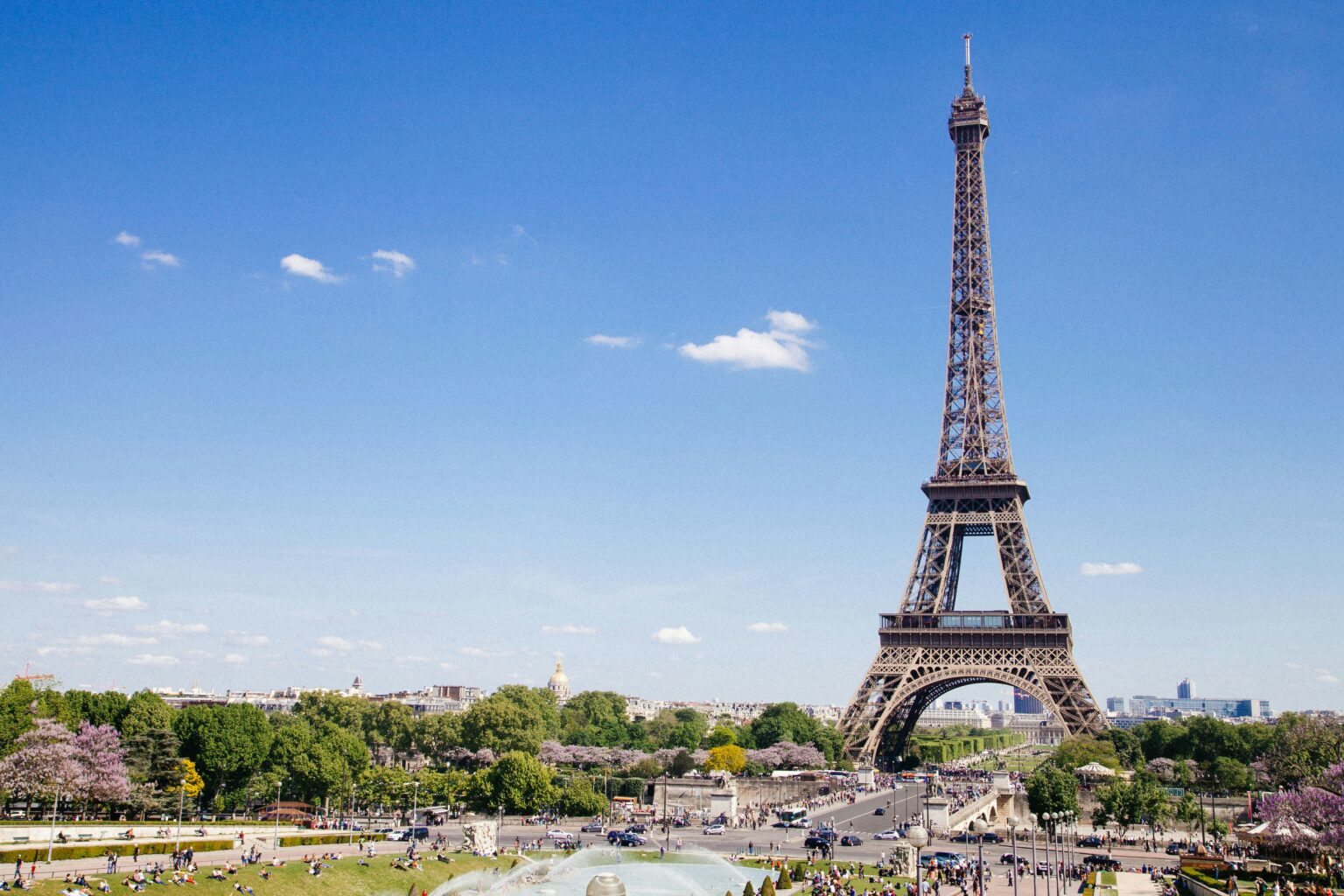
France represents a vast geographical and cultural landscape that extends far beyond the borders of its capital city. While Paris often serves as the primary gateway for international visitors, the remainder of the country is composed of diverse provinces that maintain their own distinct languages, traditions, and architectural styles. From the rugged granite coastlines of the north to the sun drenched olive groves of the south, the French territory offers a series of varied environments that have been shaped by centuries of regional autonomy and agricultural history. This broader perspective reveals a nation that is deeply rooted in the land, where the rhythms of daily life are often dictated by the seasons and the local geography.
Travelers who venture beyond the metropolitan center typically seek a more grounded and specialized experience. The focus shifts toward understanding the specific heritage of a province, whether that involves exploring the medieval fortresses of the western coast or visiting the Renaissance estates of the river valleys. This type of travel emphasizes a slower pace of movement, allowing for a deeper engagement with the local markets, historical landmarks, and natural wonders that define the French identity outside of the urban sprawl. It is a journey that prioritizes the authenticity of the regional experience and the preservation of long standing customs that continue to thrive in the rural and provincial areas.
This article examines the primary regions and experiences that characterize the French provinces, focusing on the historical, natural, and culinary diversity of the country. It explores the architectural grandeur of the central valleys, the maritime traditions of the northern shores, and the Mediterranean influences that define the southern landscapes. By looking at the specific ways in which history and nature intersect in these regions, visitors can develop a more comprehensive understanding of the French state. The following sections provide a framework for intentional exploration, highlighting the essential activities and places that offer a meaningful connection to the heritage of France beyond its famous capital.

Historical Architecture and the Legacy of the Val de Loire
The central region of France is home to an extraordinary concentration of historical architecture that reflects the transition from medieval fortification to Renaissance elegance. The Loire Valley is central to the French narrative because it served as the seat of royal power during the fifteenth and sixteenth centuries, resulting in a landscape dotted with grand estates and meticulously designed gardens. These structures are not merely displays of wealth but are significant markers of the intellectual and artistic shifts that occurred during the French Renaissance. Understanding this region requires an appreciation for the harmony between the built environment and the natural flow of the river.
General exploration in this area involves following the course of the Loire and its tributaries, where the landscape opens up into fertile plains and wooded estates. Travelers typically move between various chateaux, observing the evolution of architectural styles from the defensive towers of the Middle Ages to the symmetrical facades influenced by Italian design. The atmosphere is one of refined grandeur, where the scale of the buildings is often matched by the expansive nature of the surrounding parks. It is an environment that encourages a close study of decorative arts, stone masonry, and the history of the French monarchy.
Chambord provides a primary example of this architectural ambition, with its complex roofline and the famous double helix staircase often attributed to the influence of Leonardo da Vinci. Its vast forest park offers a look at the scale of royal hunting grounds and the preservation of natural space. In contrast, Chenonceau offers a more intimate and graceful perspective, as it spans the river Cher with a series of elegant arches. The history of the women who managed and designed the estate is reflected in the delicate interiors and the structured floral gardens that flank the water. These locations provide a tangible link to the social and political life of the Renaissance period.
The experiential value of visiting the Loire Valley lies in the understanding of how power and art were once integrated into the rural landscape. It offers a view of a time when the capital was mobile and the provinces were the centers of cultural innovation. For the visitor, the region provides a sense of the continuity of French history and the enduring appeal of the countryside as a place of retreat and creative focus. Engaging with these historical sites allows for a deeper appreciation of the craftsmanship and the visionary planning that continue to define the French aesthetic today.

Maritime Heritage and the Northern Coastlines
In contrast to the structured elegance of the interior, the northern provinces of Normandy and Brittany offer a landscape defined by the power of the Atlantic Ocean and the English Channel. These regions are essential to the French identity because they have historically functioned as the nation’s maritime frontier, serving as sites of defense, trade, and significant historical events. The architecture here is often more rugged, utilizing local granite and timber to withstand the coastal elements. Exploring these shorelines provides a sense of the resilience of the local communities and the profound impact of the sea on their daily lives and traditions.
Exploring the northern coast typically involves navigating high chalk cliffs, tidal bays, and fortified port cities that have guarded the borders for centuries. Travelers observe the dramatic changes in the landscape caused by some of the highest tides in Europe, which can completely alter the visual character of a bay within a few hours. The experience is one of atmospheric intensity, where the gray stone of the buildings often reflects the changing light of the northern sky. There is a strong emphasis on the preservation of local history, ranging from the medieval period to the more recent events of the mid twentieth century.
The tidal island of Mont Saint Michel stands as a symbol of this maritime heritage, with its abbey perched atop a rocky outcrop that is periodically isolated by the sea. The climb through the narrow, winding streets of the village offers a glimpse into the medieval past and the technical challenges of building in such an environment. Further along the coast, the Alabaster Cliffs of Etretat showcase the natural erosive power of the ocean, with their towering arches and white stone formations that have inspired generations of artists. These sites highlight the dual nature of the region as both a spiritual sanctuary and a rugged natural frontier.
The practical value of engaging with these northern provinces is found in the connection to a history that is both ancient and contemporary. It offers a perspective on the strategic importance of the coast and the ways in which the local population has adapted to a maritime economy. For the traveler, the experience provides a sense of the vastness of the Atlantic world and the deep cultural roots that connect France to its neighbors across the sea. This coastal exploration is fundamental to understanding the diversity of the French landscape and the importance of geographic borders in shaping the national character.

Mediterranean Influence and the Provencal Landscape
The southern reaches of France provide a starkly different environment, where the influence of the Mediterranean Sea dictates the climate, agriculture, and social life. Provence is a region defined by its light, its Roman heritage, and a lifestyle that remains closely tied to the land. This area is central to the French experience because it offers a connection to the classical world through its well preserved ruins and a rural tradition that prioritizes the production of wine, olives, and herbs. Exploring the south involves moving through a landscape of limestone hills, purple fields, and ancient stone villages that feel permanently etched into the terrain.
General exploration in the south is often centered around the rhythmic cycles of the local markets and the seasonal changes in the agricultural fields. Travelers move through the Luberon valley and the foothills of the Alps, observing how the architecture utilizes warm stone and terracotta tiles to manage the intense summer heat. The atmosphere is one of relaxed permanence, where the pace of life slows down during the peak hours of the sun and the focus shifts toward the simple enjoyment of the local environment. It is an area that encourages sensory engagement, from the scent of wild lavender to the visual vibrancy of the regional produce.
The city of Avignon provides a clear view of the historical significance of the region, housing the Palais des Papes as a reminder of the period when the papacy was based in southern France. Its medieval walls and the remains of its famous bridge offer a look at the strategic and religious importance of the Rhone river. In more rural settings, the village of Gordes demonstrates the traditional hill town structure, where buildings are terraced into the rock to maximize space and security. These locations showcase the intersection of human ingenuity and a challenging, sun baked geography.
Visiting the southern provinces allows for an appreciation of the enduring influence of the Mediterranean on French culture. It reveals a different set of priorities focused on the preservation of the landscape and the maintenance of local social structures. For the visitor, the region offers a sense of the longevity of the classical tradition and the ways in which the southern environment has shaped the French approach to food and leisure. This engagement with the Provencal lifestyle is a necessary part of understanding the breadth of the national identity and its connection to the wider southern European world.

Gastronomic Capitals and Urban Identity
While the rural provinces offer a look at the foundations of the land, the regional cities of Lyon and Bordeaux represent the urban sophistication and economic vitality of the French interior. These cities are essential because they function as cultural anchors for their respective provinces, maintaining a high level of artistic and culinary achievement that rivals the capital. Lyon is often regarded as the gastronomic heart of the country, while Bordeaux serves as the global center for wine culture and neoclassical urban planning. Exploring these cities provides a view of how modern French life integrates with a deep respect for regional heritage.
Exploration of these urban centers involves navigating historic cores that have been recognized for their architectural and cultural significance. Travelers find themselves moving through Renaissance corridors, expansive neoclassical plazas, and vibrant riverfronts that have been reclaimed for public use. The experience is defined by a high density of specialized shops, traditional eateries, and cultural institutions that celebrate the local identity. There is a strong sense of civic pride in these cities, where the quality of the public realm and the preservation of historical landmarks are prioritized.
Lyon offers a unique urban structure with its traboules, or hidden passages, that were originally used by silk weavers to transport their goods through the city. The city’s bouchons, or traditional taverns, provide a direct link to the culinary history of the region, emphasizing hearty dishes and local ingredients. Bordeaux, conversely, is defined by the symmetry of its eighteenth century architecture and its position as a major port. The Place de la Bourse and the surrounding districts showcase the wealth and elegance that were generated through the wine trade, while modern installations like the Reflecting Pool demonstrate a commitment to contemporary urban design.
The value of visiting these regional cities lies in the understanding of France as a collection of diverse urban identities rather than a nation centered on a single point. It highlights the importance of regional centers in driving the national economy and maintaining a high standard of living. For the traveler, these cities offer a sophisticated and localized perspective on French society, providing access to world class arts and dining within a context that remains distinctly provincial. This urban exploration is a vital component of a comprehensive journey through the country, revealing the layers of complexity that exist within its major metropolitan areas.

Alpine Peaks and High Altitude Traditions
The eastern borders of France are defined by the presence of the Alps, a mountain range that has shaped the climate, transit, and culture of the region for millennia. This landscape is essential to the French narrative because it represents the highest altitudes in Western Europe and offers a different perspective on the relationship between nature and community. The culture of the mountains is one of resilience, seasonal adaptation, and a deep respect for the power of the natural world. Exploring the Alps involves moving through deep glacial valleys, turquoise lakes, and high mountain passes that provide a stark contrast to the plains and coasts of the rest of the country.
General engagement with the Alpine region typically centers on outdoor exploration and the observation of the traditions that have developed in the high valleys. Travelers move between mountain villages where the architecture utilizes heavy timber and stone to withstand the weight of winter snow. The experience is defined by a sense of scale, where the verticality of the landscape dictates the movement of people and the location of settlements. There is a strong emphasis on the seasonal cycles, with the mountains offering a completely different character in the summer months compared to the winter season.
The town of Annecy provides a refined introduction to the region, situated on the shores of what is considered one of the purest lakes in Europe. Its medieval center, intersected by canals, reflects a history of alpine trade and artisan culture. In contrast, the Chamonix valley offers a more direct encounter with the high peaks, situated at the base of Mont Blanc. Here, the focus is on the geological power of the glaciers and the history of mountaineering that has defined the community for over two centuries. These locations showcase the diversity of the mountain environment, from the quiet shores of the lakes to the rugged heights of the summits.
The experiential value of visiting the Alps is found in the recognition of the environmental diversity that exists within the French territory. It highlights the importance of the mountains as a source of water, energy, and inspiration for the nation. For the traveler, the region offers a sense of perspective and a chance to witness the ways in which human communities have successfully integrated with a challenging and majestic natural environment. This connection to the high peaks is an essential part of the French story and a highlight of any journey through the eastern provinces.
Regional Diversity and the Southern Heartland
Beyond the mountains and the major cities, the southern heartland of the Occitanie and Dordogne regions offers a look at the more ancient and rural roots of the French interior. These areas are characterized by a landscape of limestone plateaus, river gorges, and medieval villages that have remained largely unchanged for centuries. This part of the country is essential for understanding the long term history of human habitation in Europe, as it contains significant prehistoric sites and remains of early medieval governance. Exploring these regions involves a focus on the continuity of the village life and the preservation of the rural landscape.
Exploration in the heartland usually involves slow travel through winding river valleys and across high plateaus where the primary activities are related to the land and the local history. Travelers observe a high density of fortified towns and castles that reflect a history of regional conflict and the need for defensive planning. The atmosphere is one of quiet history, where the stone walls and narrow streets of the villages offer a tangible connection to the past. It is an area that encourages a leisurely approach to discovery, focusing on the small details of the architecture and the rhythms of the rural economy.
Carcassonne stands as a primary example of this historical density, with its double walled citadel and gothic cathedral representing the height of medieval fortification and religious life. Its position overlooking the plains offers a sense of the strategic importance of the region in the history of southern France. In the Dordogne valley, the concentration of chateaux and prehistoric caves provides a layered look at the history of the region, from the earliest human art to the feudal estates of the Middle Ages. These sites highlight the deep chronological span of the French territory and the enduring appeal of its interior valleys.
The value of visiting the southern heartland lies in the understanding of the persistence of regional identity and the importance of the rural landscape in the national psyche. It offers a counterpoint to the more modernized and coastal areas, providing a look at a way of life that remains deeply tied to the history of the land. For the traveler, the region provides a sense of the depth and complexity of the French story, revealing the layers of history that continue to shape the modern state. This exploration of the interior is a necessary part of a complete journey, offering a final perspective on the diversity and resilience of the French provinces.
Reflecting on France as a whole reveals a nation that is defined by the extraordinary variety of its regional identities and the enduring strength of its connection to the land. The experience of the country beyond its capital is one of constant discovery, where each province offers a new perspective on history, nature, and the art of living. This diversity is not a source of fragmentation but is the very foundation of the national character, providing the country with a depth of culture that is visible in its architecture, its traditions, and its daily routines. For the visitor, France offers a profound lesson in the value of regionalism and the importance of preserving the unique heritage of the provinces.
The journey through the French provinces is best approached with a sense of intentionality and a willingness to embrace the slower rhythms of provincial life. By moving between the grand scale of the mountain peaks and the intimate details of the rural villages, travelers can begin to see the underlying values that connect the different facets of the culture. It is a destination that encourages personal discovery and a flexible approach to exploration, where the most meaningful moments often occur in the quiet spaces between the famous landmarks. Ultimately, a visit to the broader French territory is an invitation to witness a society that finds meaning in both the preservation of its ancient past and the vibrant reality of its modern regional life.