



Essential Sights, Wildlife Safaris, and Cultural Highlights
Kenya offers a mix of epic safaris, white‑sandy beaches, dramatic highlands, and living cultures that you can explore in one trip. Visit the Maasai Mara for big‑game viewing, Amboseli for Mount Kilimanjaro backdrops, coastal towns like Diani for sun and sea, and Nairobi for museums and city life.
Whether you crave close wildlife encounters, beach time on the Indian Ocean, or hikes in cool mountains, you can plan routes that match your pace and budget. Expect famous parks, hidden gems, cultural visits, and active adventures all within a few hours of each other.
Key Takeaways
- See classic wildlife hotspots and easy safari options in one country.
- Mix beach days, mountain treks, and cultural stops for a balanced trip.
- Find both well‑known sites and quieter places to explore.
Iconic National Parks and Wildlife Reserves
You will find world-famous safari experiences, big landscapes, and close wildlife sightings across Kenya. Each park below highlights a different ecosystem and offers specific animals and activities you can plan for.

Maasai Mara National Reserve
The Maasai Mara gives you the best chance to see the Big Five and large prides of lions on open grasslands. Visit between July and October to witness the Great Migration when millions of wildebeest and zebra cross the Mara River.
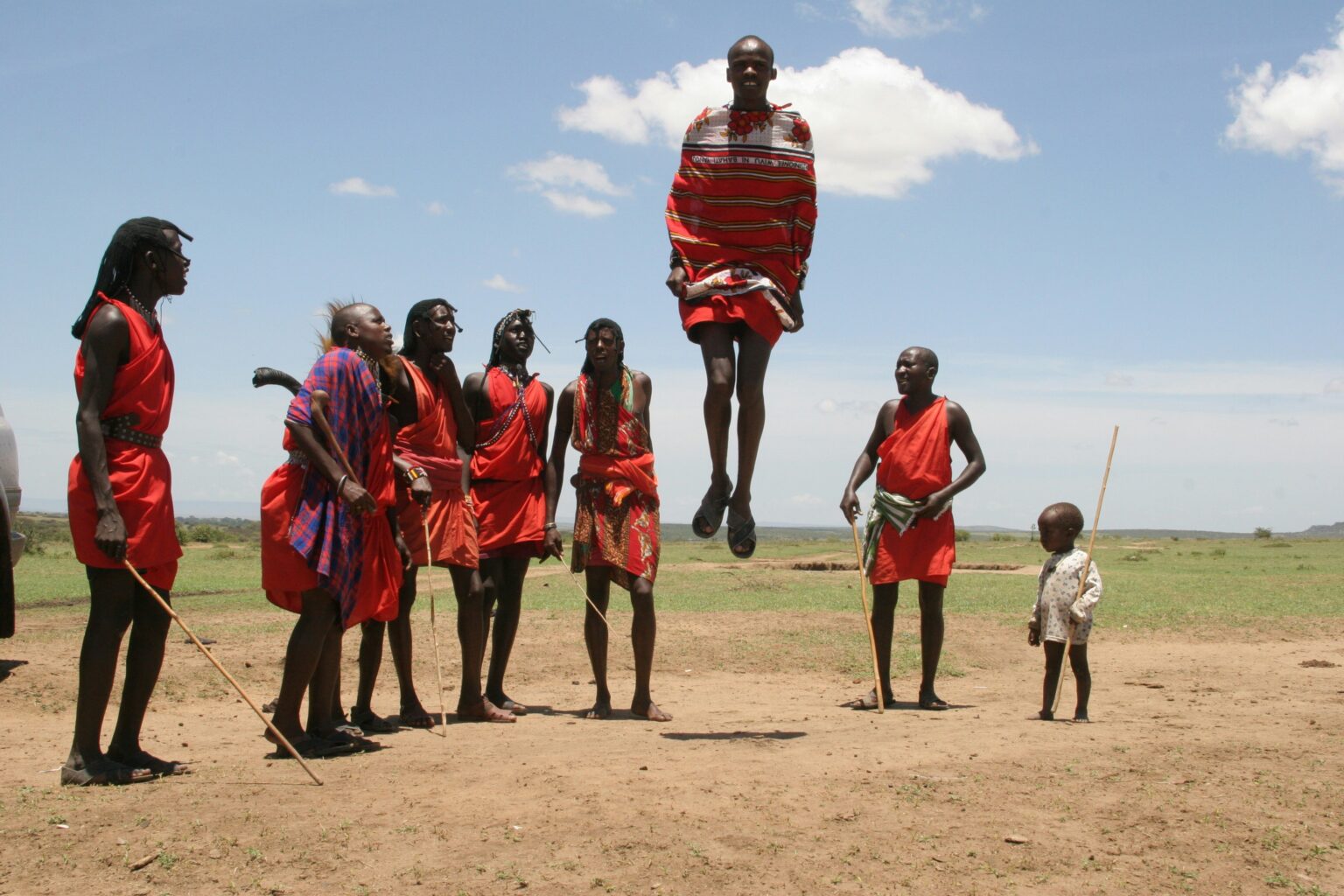
Game drives at dawn and dusk bring the most wildlife action. You can arrange guided walking safaris, hot-air balloon flights at sunrise, and cultural visits to Maasai villages nearby.
Staying inside or near the reserve cuts transfer times; camps and lodges range from budget tented camps to luxury camps with private guides. Roads can be rough, so 4×4 vehicles are standard for serious game viewing.
Amboseli National Park
Amboseli puts Mount Kilimanjaro in the background for classic elephant photography. The park’s short grass plains and seasonal swamps concentrate large elephant families, so you often see multiple herds in a single game drive.
You can expect clear views of Kilimanjaro on calm mornings; bring a telephoto lens for close-ups of tusks and family groups. Birdwatching is strong around wetlands, and guides often track big cats and hyenas near the marshes.
Amboseli’s camps are mostly on the park edge, making early drives quick. Plan for dust and warm days; light layers and sun protection improve comfort during long drives.
Tsavo National Park
Tsavo divides into Tsavo East and Tsavo West, giving you volcanic terrains, riverine forests, and vast red-earth plains to explore. Tsavo East is famous for wide-open vistas and large elephant herds, while Tsavo West features the Mzima Springs and rugged landscapes.
You can combine both parks for diverse sightings: rhinos and hippos near water, large predators in both areas, and scenic stops like Shetani Lava Flow. Routes are long; expect full-day drives and overnight stays at park lodges or camps.
Road conditions vary, so plan logistics with a provider. Bring plenty of water and a sturdy vehicle for off-road sections when you go beyond main tracks.
Lake Nakuru National Park
Lake Nakuru centers on a soda lake that attracts large flocks of flamingos when water and food conditions align. The lakeshore and surrounding acacia woodlands also host white and black rhino, buffalo, and good sightings of leopard and Rothschild’s giraffe.
Game drives focus on short wildlife loops and scenic lookouts over the lake. Birdwatching can produce pelicans, cormorants, and raptors in addition to flamingos, so pack binoculars and a field guide.
Lodges and picnic sites sit close to key viewpoints, letting you break mid-drive for photos. Park access is easier on paved roads than some other parks, making it a solid day-trip option from Nairobi.

Unique Safari Experiences
You will find dramatic wildlife encounters, up-close viewing of famous species, and a chance to see the savannah from above. Each experience has practical tips on timing, where to go, and what to expect.
Great Migration Viewing
The Great Migration peaks in the Maasai Mara from July to October. You should plan to visit then to see large herds of wildebeest and zebra crossing rivers and grazing across open plains. Focus on Mara Triangle and conservancies like Ol Kinyei for fewer vehicles and better photo angles.
Expect long viewing days around river crossings. Bring a telephoto lens (200–400mm recommended) and spare batteries. Game drives that start at dawn give the best light and higher animal activity. Private guides can position you safely for river-crossing photos and explain predator-prey behavior.
Big Five Safaris
To see lions, leopards, elephants, buffalo, and rhinos, visit reserves known for high Big Five densities like Maasai Mara, Amboseli, and Lake Nakuru (for black rhino). Amboseli gives you close elephant sightings with Mount Kilimanjaro as a backdrop. Maasai Mara offers strong lion and leopard chances, especially during migration season.
You should book early-morning and late-afternoon drives for cooler temperatures and active predators. If you want rhinos, include Ol Pejeta or Lewa Conservancy, where anti-poaching measures improve sighting odds. Use vehicle height and position wisely; your guide will know when to stop and when to move.
Balloon Safaris Over the Savannah
A hot-air balloon ride launches at sunrise and lasts about 45–60 minutes. You drift quietly over the Maasai Mara or private conservancies, which gives you wide-angle views of herds, predators, and river channels. The light at sunrise makes for strong photos and clearer animal patterns on the ground.
Dress in layers for pre-dawn chill. Expect a light landing; crews often celebrate with a short champagne or tea ritual afterward. Balloon operators limit passenger numbers for comfort and safety, so reserve weeks in advance, especially in high season.
Coastal Attractions
Kenya’s coast offers sun, history, and rich marine life. Expect wide white beaches, historic stone towns, and clear waters for snorkeling and diving.
Diani Beach
Diani Beach sits south of Mombasa and gives you nearly 10 km of white sand backed by palm trees and coral reefs. You can swim from calm spots, kite-surf on steady winds, or book a boat trip to nearby Chale Island.
Local resorts and guesthouses run water sports and day trips. Snorkeling and scuba diving show colorful coral gardens and reef fish close to shore. Tide pools appear at low tide, letting you walk out to see starfish and small crabs.
Nightlife centers around beachfront bars and restaurants where you can try fresh seafood. If you want quieter time, head to north Diani for small boutique hotels and less crowd.
Lamu Island
Lamu Island sits in an old Swahili town where donkeys still pull carts on narrow streets. You can explore Lamu Old Town, a UNESCO site, with its carved wooden doors, stone houses, and peaceful mosques.
Travel by dhow for sunset sails or visit Shela Beach for soft sand and fewer people. Cultural tours show you traditional dhow building, Swahili poetry, and local markets selling handmade mats and silver jewelry.
There are no cars, so plan to walk or use donkey taxis. Accommodations range from guesthouses in town to small beachfront lodges. Bring cash and expect a slow, relaxed pace.
Watamu Marine National Park
Watamu Marine National Park lies north of Mombasa and protects coral reefs, seagrass beds, and diverse fish species. You can snorkel right from the beach and see coral gardens, giant clams, and turtles in clear shallow water.
Boat trips offer guided snorkel stops and visits to the nearby Green Island. Local guides know where to spot humpback whales during seasonal migrations and dolphins year-round. The town of Watamu also has restaurants serving local fish and Swahili dishes.
Conservation rules limit fishing and anchor use, so choose licensed operators who follow park guidelines. This helps protect the reefs you came to see.
Cultural and Historical Destinations
You will find museums, colonial-era homes, and coastal ruins that reveal Kenya’s past. Each site shows a different part of the country’s story — from natural history to European settler life to Swahili trading towns.
Nairobi National Museum
Visit the Nairobi National Museum to see Kenya’s archaeology, paleontology, and cultural artifacts in one place. You can view mounted fossils, detailed exhibits on early human fossils, and rotating displays on Kenyan ethnic groups. The museum’s botanical gardens and snake park sit on the same grounds, so plan extra time if you want outdoor walking and reptile viewing.
Practical details: the museum is near Nairobi’s city center, offers guided tours, and has a small gift shop and café. Check opening hours and any special exhibitions before you go, as the displays sometimes change. Photography rules vary by gallery, so ask staff if you want to take pictures.
Karen Blixen Museum
The Karen Blixen Museum sits in the former home of the author of Out of Africa, located in the leafy Karen suburb. You can tour the preserved rooms, see original furnishings, and learn about colonial-era coffee farming life in the 1920s and 1930s. The grounds include gardens and nearby walking trails that reflect the estate’s original layout.
Plan for a guided tour to get background on Blixen’s life and on Kenyan labor and settler relations of the period. The site also hosts literary events and temporary exhibits. Wear comfortable shoes for uneven paths and arrive early to avoid the busiest visiting times.
Gede Ruins
Gede Ruins lie on the Kenyan coast near Watamu and show a Swahili town that thrived between the 12th and 17th centuries. You can walk among stone houses, a palace, mosques, and a well-preserved coral tomb. The site blends Arab, Persian, and African influences, visible in the architecture and layout.
Bring water and sun protection since shade is limited inside the ruins. Local guides can explain pottery fragments, trade links to the Indian Ocean, and why the town was abandoned. Nearby beaches and a small on-site museum make Gede a good half-day trip when you combine history with coastal scenery.

Scenic Landscapes and Natural Wonders
You will find high mountains, deep gorges, steaming geothermal fields, and a vast freshwater lake. Each place offers specific activities, clear access points, and seasonal tips that matter for planning.
Mount Kenya
Mount Kenya rises to 5,199 m at Batian and sits near the town of Nanyuki. You can trek distinct routes: Sirimon and Chogoria are gentler and scenic; Naro Moru is steeper and shorter. Expect alpine slopes, glaciers near the peaks, and bamboo and moorland zones lower down.
Permits and a local guide are required for most routes. Base yourself in Nanyuki or the Sirimon gate for earlier starts. Carry warm layers, as nights are cold above 3,000 m, and drink plenty of water to help with altitude. Popular highlights include Mt. Kenya’s lakes (e.g., Lake Michaelson), the Needle and the Gendarme rock formations, and good birdwatching in the forested lower slopes.
Hell’s Gate National Park
Hell’s Gate sits about 90 km northwest of Nairobi, near Naivasha. You can walk or cycle through its volcanic ravines and towering cliffs without a vehicle. Key features include the Fischer’s Tower, Central and Hobley’s Gulch, and steam vents from underlying geothermal activity.
You can hire bicycles at the park gate and join guided rock-climbing or gorge-walking trips. Watch for thermal springs and grazing herds of buffalo and zebras; predators are rare here. Combine a visit with nearby Lake Naivasha boat trips or the Hell’s Gate power plant tour to see geothermal energy in practice.
Lake Victoria
Lake Victoria touches Kenya’s western border near Kisumu and is Africa’s largest tropical lake. You can visit Kisumu town for the lakeshore, Dunga Hill Camp, and boat trips to see fishing villages and birdlife such as pelicans and cormorants. The lake supports a large tilapia and Nile perch fishery.
Plan visits around the weather; rains can make dirt roads muddy, especially toward small villages. Local markets in Kisumu sell fresh fish you can try grilled. If you want community visits, look for organized tours that visit fish-landing sites and local conservation projects that work on pollution and invasive water hyacinth control.
Urban Highlights
You will find a mix of modern life, museums, markets, and coastal history. Expect wildlife encounters near the city, busy markets, and old stone streets by the sea.
Nairobi City
Nairobi puts wildlife, culture, and shopping within easy reach. Visit Nairobi National Park to see giraffes, zebras, and lions against a skyline of high-rises; you can take a half-day game drive or book a guided tour.
For museums and history, go to the National Museum to see Kenyan artifacts and the Karen Blixen Museum for colonial-era history and the writer’s farmhouse. Carnivore or local restaurants let you try nyama choma (grilled meat) and Kenyan coffee in lively settings.
Markets include Maasai Market for beadwork and souvenirs, and the Westlands area for bars and modern malls. Traffic can be heavy, so plan extra time between sites and use ride-hail apps for quicker trips.
Mombasa Old Town
Mombasa Old Town shows Swahili architecture, narrow alleys, and carved wooden doors. Walk along streets like Fort Jesus Road and visit Fort Jesus, a 16th-century Portuguese fort that now houses artifacts and coastal history exhibits.
Explore the Old Port for dhow boats and seafood stalls. Try pilau or fresh fish at a beachside restaurant, and watch fishermen bring in their catch at low tide. The Old Town’s shops sell Kiswahili fabrics, brassware, and coral-carved ornaments.
Safety is better during daylight; carry water and wear sun protection. Short walking routes let you cover the main sites in a few hours, and local guides will point out hidden doors, mosques, and rooftop views.