




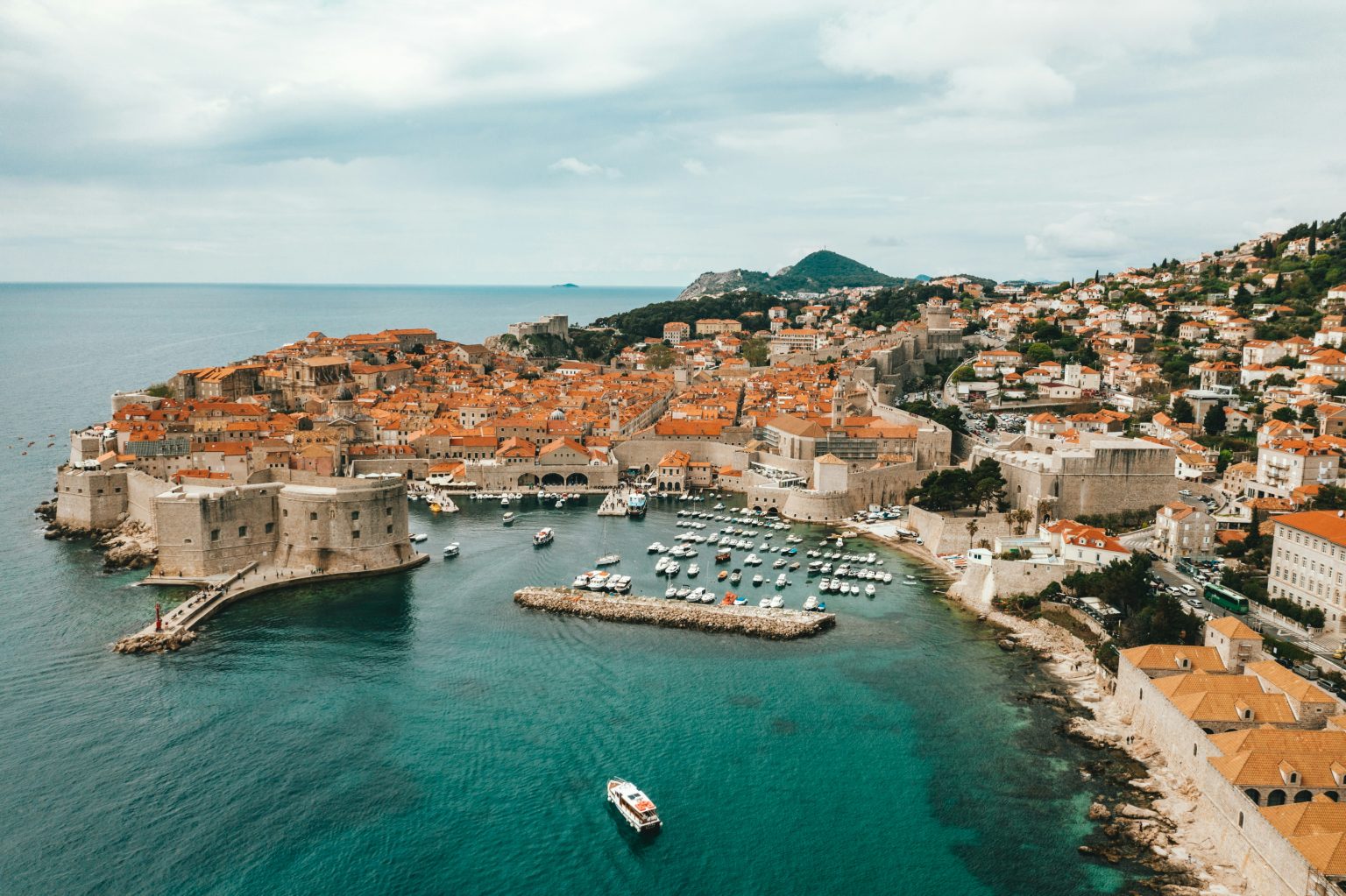
The Mediterranean basin is home to many celebrated coastlines, yet few possess the dramatic intersection of history and natural splendor found along the eastern shores of the Adriatic Sea. Croatia has transitioned from a hidden gem of the Balkans into a premier global destination, serving as a perfect extension for travelers already exploring the cultural hubs of Italy, Austria, or Greece. Its unique position at the crossroads of Central Europe and the Mediterranean provides a cultural tapestry that is both complex and inviting. As of late twenty twenty five, the country has fully integrated into the European travel infrastructure, offering seamless transitions for those looking to add a few days of coastal brilliance or alpine serenity to their primary itinerary.
- 1. The Immersive History of the Dubrovnik Ramparts
- 2. The Living Antiquity of Diocletian’s Palace in Split
- 3. The Geological Spectacle of Plitvice Lakes and Krka
- 4. The Aristocratic Charm and Natural Beauty of Hvar Island
- 5. The Gastronomic Wealth of the Istrian Peninsula
- 6. The Artistic Spirit and Sunsets of Zadar
The territory is defined by its karst topography, where white limestone mountains drop precipitously into waters of a deep and startling clarity. This landscape has dictated the development of the nation, fostering a maritime culture that dates back to the era of Illyrian tribes and Roman emperors. For the modern visitor, a side trip to Croatia is not merely an addition to a journey but a profound shift in atmosphere. It is a place where the pace of life slows to the rhythm of the tides and where the architecture tells a story of Venetian influence, Napoleonic ambition, and Slavic resilience. The following exploration details six compelling reasons to cross the border and experience the relentless beauty of this Adriatic sanctuary.

1. The Immersive History of the Dubrovnik Ramparts
Dubrovnik stands as a physical manifestation of the concept of liberty, a city state that maintained its independence for centuries through a combination of diplomatic skill and formidable engineering. Known historically as the Republic of Ragusa, the city is enclosed by nearly two kilometers of stone walls that have never been breached by a hostile force. Walking these ramparts in twenty twenty five offers a perspective on urban design that is both strategic and aesthetic. The walls provide a continuous path above the city, allowing visitors to look down into the secret gardens of local residents on one side and out across the boundless blue of the Adriatic on the other.
The limestone streets of the Old Town, known as the Stradun, have been polished to a mirror like sheen by the footsteps of countless generations. Every corner of the city reveals a masterclass in Baroque and Renaissance architecture, from the intricate carvings of the Rector’s Palace to the solemn beauty of the Franciscan Monastery. For those on a side trip, the city offers a concentrated dose of history that is easily navigated on foot. The recent implementation of advanced visitor management systems has successfully preserved the atmosphere of the city, ensuring that the experience of exploring the narrow alleys and hidden plazas remains intimate and rewarding.
Beyond the stone fortifications, the surrounding landscape offers an immediate escape into nature. A brief cable car ride to the summit of Mount Srđ provides a panoramic view of the city and the Elafiti Islands, while a ten minute ferry journey leads to the forested island of Lokrum. This island serves as a botanical sanctuary where peacocks roam freely among the ruins of a Benedictine monastery. The ability to move from a dense historic center to a tranquil island forest within minutes is one of the primary reasons Dubrovnik remains a quintessential part of any Croatian excursion. It is a location that rewards the curious traveler with a deep sense of connection to the maritime traditions of the past.
2. The Living Antiquity of Diocletian’s Palace in Split
While many Roman ruins are preserved as fenced off archaeological sites, the heart of Split is a functioning city built directly into the residence of an emperor. Completed at the beginning of the fourth century for the Emperor Diocletian, the palace was never truly abandoned. Instead, it evolved over the middle ages into a dense urban labyrinth where Roman columns support medieval houses and Renaissance balconies overlook ancient courtyards. This creates a living museum where the history is not just observed but inhabited. Travelers can enjoy a morning coffee in the Peristyle, the central square of the palace, while surrounded by the original granite pillars brought from Egypt nearly two thousand years ago.
The social life of Split is centered on the Riva, a wide and sun drenched promenade that stretches along the harbor. This area serves as the city’s communal living room, where residents and visitors gather to observe the movement of the ferries and the shifting colors of the sea. For a side trip, Split is strategically located as the primary gateway to the Dalmatian islands, making it a perfect hub for further exploration. The city possesses a distinct energy that is less formal than Dubrovnik, rooted in the spirited character of its people and their deep passion for their local heritage and sports.
Exploration of the palace reveals hidden gems such as the Cathedral of Saint Domnius, which originally served as the emperor’s mausoleum and is now considered one of the oldest cathedral structures in the world. The substructures of the palace, which are vast vaulted halls beneath the city, provide an eerie and impressive look at the scale of Roman engineering. Moving through the various gates of the city, named Gold, Silver, Iron, and Bronze, allows the visitor to experience the transition between the ancient and the modern. Split is a city that refuses to be a museum piece, insisting instead on the vibrant and messy reality of contemporary Mediterranean life.

3. The Geological Spectacle of Plitvice Lakes and Krka
Croatia is home to some of the most unique freshwater systems in the world, primarily located within its interior national parks. Plitvice Lakes National Park is a UNESCO World Heritage site consisting of sixteen interconnected lakes that cascade into one another through a series of spectacular waterfalls. The water is filtered through the surrounding limestone, resulting in a clarity and a color that shifts from emerald to azure depending on the light and the time of year. Walking along the wooden boardwalks that wind through the canyons is a sensory experience defined by the sound of rushing water and the scent of damp forest.
The park is a masterpiece of karst geology, where the process of tufa formation creates living barriers that grow and change over time. In twenty twenty five, the park has enhanced its commitment to sustainable tourism, utilizing electric boats and trains to move visitors through the vast territory while protecting the delicate ecosystem. For those on a side trip from the coast, Plitvice offers a dramatic change in scenery, replacing the salt air of the Adriatic with the cool mist of the mountains. It is a place that feels untouched by time, where the natural world asserts its dominance through the relentless flow of water over stone.
Further south, Krka National Park provides a similar but distinct experience, centered on the Krka River and its seven magnificent waterfalls. Unlike the more fragile Plitvice, Krka offers a more accessible look at the industrial history of the region, including restored watermills that once ground grain for the local villages. The Skradinski Buk waterfall is the largest and most famous within the park, featuring a massive natural pool at its base. These parks are essential for understanding the environmental diversity of Croatia, showing that the beauty of the nation is not confined to its shoreline but extends deep into its green and watery heart.
4. The Aristocratic Charm and Natural Beauty of Hvar Island
Hvar is a destination that successfully balances the glamour of high end tourism with the quiet traditions of island life. Known as the sunniest island in the country, it has long been a favorite of the European elite, yet it retains a rugged and authentic interior. Hvar Town is a stunning collection of Venetian Gothic palaces and marble streets, focused on a massive central plaza that opens onto a protected harbor. The hilltop fortress, Spanjola, offers a commanding view of the Pakleni Islands, a chain of forested islets that provide some of the best swimming and sailing in the region.
For the traveler on a brief excursion, Hvar offers a sophisticated and diverse itinerary. One can spend the morning exploring the Stari Grad Plain, an ancient Greek land division system that has been continuously farmed for over two thousand years and is now a UNESCO World Heritage site. The interior of the island is a tapestry of lavender fields, olive groves, and vineyards that produce some of Croatia’s most celebrated wines, such as the robust red Plavac Mali. The scent of lavender is the signature of the island, especially during the summer months when the hills turn a vibrant purple.
The social atmosphere of Hvar shifts with the time of day, moving from the quiet dignity of the morning markets to the vibrant energy of the evening beach clubs. However, for those seeking peace, the southern side of the island offers quiet villages like Ivan Dolac and Sveta Nedjelja, where the cliffs drop into the sea and the vineyards cling to the steep slopes. Hvar is a place of contrast, where the luxury of a private yacht exists alongside the simple toil of a stone mason. This variety makes it a compelling side trip, offering a complete island experience that satisfies both the desire for excitement and the need for tranquility.
5. The Gastronomic Wealth of the Istrian Peninsula
Situated in the northwestern corner of the country, the Istrian Peninsula is a region that feels like a dialogue between Croatia and Italy. This territory was once part of the Venetian Republic and the Austro Hungarian Empire, and this layered history is reflected in its architecture, its language, and most notably, its food. Istria is the gourmet heart of Croatia, famous for its world class truffles, award winning olive oils, and a tradition of viticulture that produces the crisp white Malvazija. For a side trip from Venice or Trieste, Istria provides a rural and coastal escape that is deeply connected to the seasons and the land.
The interior of Istria is characterized by hilltop villages that resemble those of Tuscany but with a distinct Slavic soul. Motovun and Grožnjan are two of the most famous, offering stunning views of the Mirna River valley and the surrounding oak forests where white and black truffles are hunted by specially trained dogs. Travelers in twenty twenty five can participate in these hunts, gaining an appreciation for the labor and the tradition behind this rare culinary treasure. The region is also home to some of the best olive oil producers in the world, with many estates offering tastings that explain the nuances of the local Buža and Istarska Bjelica varieties.
The coastline of Istria is equally captivating, featuring towns like Rovinj and Pula. Rovinj is a romantic tangle of narrow streets and colorful houses that seem to rise directly out of the sea, centered on the towering spire of Saint Euphemia’s Church. Pula, on the other hand, is famous for its Roman legacy, including one of the best preserved amphitheatres in the world. The Pula Arena continues to host concerts and film festivals, allowing modern audiences to engage with a space that has been a center of public life for two millennia. Istria is a destination for the senses, where the quality of the ingredients and the beauty of the landscape create a profound sense of well being.

6. The Artistic Spirit and Sunsets of Zadar
Zadar is a city that has mastered the art of creative renewal, blending its ancient Roman and Venetian roots with cutting edge modern installations. Located on a small peninsula in Northern Dalmatia, the city was once the capital of the region and remains a vital cultural hub. It is famous for its unique relationship with the elements, specifically the wind and the sun. The Sea Organ, designed by architect Nikola Bašić, is a set of stone steps on the waterfront that contains a series of pipes. As the waves push air through these pipes, the organ plays a haunting and melodic music that is directed by the rhythm of the sea.
Next to the Sea Organ is the Greeting to the Sun, a large circle of solar panels embedded in the sidewalk that absorbs energy during the day and produces a vibrant light show at night. These installations have transformed the Zadar waterfront into a space of public art and communal gathering. Alfred Hitchcock famously remarked that Zadar had the most beautiful sunset in the world, and today, residents and travelers still gather at the edge of the peninsula to witness the sun dip below the horizon while the Sea Organ provides the soundtrack. It is a moment of pure urban magic that defines the Zadar experience.
The city interior is a fascinating layer of history, where the Roman Forum stands next to the pre Romanesque Church of Saint Donatus. Zadar offers a more local and less commercial atmosphere than the larger cities to the south, making it an excellent side trip for those seeking an authentic look at Croatian life. The nearby islands of the Zadar archipelago, such as Ugljan and Pašman, are easily reached by a short ferry ride and offer a glimpse into a traditional way of existence that has remained unchanged for decades. Zadar is a city that honors its past while embracing a playful and innovative future, providing a perfect conclusion to an exploration of the Adriatic coast.
Summary of Regional Highlights
| Region | Primary Feature | Best Time for a Side Trip |
| Southern Dalmatia | Dubrovnik Walls | Spring or Autumn for milder weather |
| Central Dalmatia | Split and Hvar | Summer for island hopping and sun |
| Lika Highlands | Plitvice Lakes | Spring for high water or Autumn for colors |
| Istrian Peninsula | Gastronomy and Hilltops | Autumn for truffle season and harvest |
| Northern Dalmatia | Zadar and Sea Organ | Any season for the sunsets and art |
| Kvarner Gulf | Opatija and Rijeka | Winter for the carnival and spa culture |
Reflecting on Croatia as a side trip destination reveals a nation that is remarkably dense with experience. The ability to move from the ancient stones of a Roman palace to the mist of a mountain waterfall or the scent of a lavender field in a matter of hours is a luxury that few places can offer. This diversity is not just geographical but cultural, reflecting a history that has been shaped by the meeting of different worlds. For the traveler, Croatia provides a lesson in the beauty of the public realm and the importance of preserving both the natural and the built environment. It is a country that rewards the intentional visitor with a wealth of memories and a deeper understanding of the Mediterranean spirit.
The wisdom of choosing Croatia for a short excursion lies in the recognition of its accessibility and its hospitality. The infrastructure of twenty twenty five allows for easy movement between the various regions, whether by sea, road, or air. This makes it possible to experience the highlights of the nation without feeling rushed or overwhelmed. Ultimately, a journey to Croatia is an invitation to witness a society that values the quality of life and the beauty of its surroundings. Whether you find yourself standing on the walls of Dubrovnik or listening to the music of the waves in Zadar, the impact of the experience is lasting and profound. It is a destination that stays with you, inviting you to return and explore the many layers of its history and its landscape.