



A Friendly Local Guide to Sights, Food, and Culture
You’ll find Rwanda full of surprising contrasts: misty volcanic peaks, lively city streets, quiet lakeshores, and dense rainforests. You can track mountain gorillas, walk canopy trails, explore stirring historical sites, and unwind by Lake Kivu—all within a single trip. Pack for varied terrain and plan a mix of wildlife, culture, and relaxation to make the most of your time.
Local cuisine, art, and markets bring the country’s warmth to life, while national parks deliver close-up wildlife and unforgettable landscapes. Whether you crave active adventure or slow cultural discovery, this list points you to the places and experiences that define Rwanda.
Key Takeaways
- Combine wildlife treks with cultural and historical visits for a balanced itinerary.
- Bring gear for hiking, varied weather, and relaxed lakeside days.
- Seek local crafts, food, and guided experiences to connect with Rwandan life.
Discover Volcanoes National Park
Volcanoes National Park centers on steep, forested slopes and rare wildlife. You’ll find world-class gorilla trekking, playful golden monkeys, and challenging hikes up volcanic peaks with clear route markers.
Gorilla Trekking Adventures
You’ll need a permit to trek mountain gorillas; book months in advance during high season. Treks start early from Kinigi and last anywhere from 2 to 8 hours depending on gorilla locations, so wear sturdy boots, long trousers, and bring rain protection.
Guides and armed rangers lead each group of up to eight visitors, enforcing a one-hour viewing rule and a strict 7-meter distance for safety and disease prevention. Expect muddy trails, steep climbs, and unforgettable close views of silverbacks, females with infants, and juvenile play.
Bring a small daypack with water, snacks, hand sanitizer, and a lightweight tripod or fast lens for photography. If you have respiratory issues or young children, consider alternatives because the trek can be physically demanding.

Golden Monkey Encounters
Golden monkey tracking offers shorter, gentler treks than gorilla permits and suits families and less-experienced hikers. These primates are smaller, bright-colored, and move quickly through bamboo and mossy forest, so plan for brisk walking and quick camera work.
Guides teach about the monkeys’ bamboo-based diet and social behavior, then lead you into habituated groups for 30–60 minutes of observation. You’ll see acrobatic leaps, social grooming, and juveniles learning to forage.
Wear quiet, non-reflective clothing to avoid startling the monkeys, and carry insect repellent and a rain jacket. Golden monkey permits are cheaper and easier to secure but still require pre-booking through the park authorities or your lodge.
Hiking Mount Bisoke
Mount Bisoke (3,711 m) features a caldera lake and one of the park’s most popular summit hikes. The trail gains about 1,200 meters of elevation over 6–8 km, so expect a 4–6 hour round trip depending on pace and weather.
Start early to avoid afternoon storms; the route crosses dense forest, bamboo zones, and open moorland before reaching the crater rim. Guides point out unique flora, bird species, and occasional sightings of primates along the way.
Prepare with layered clothing, hiking poles for steep sections, plenty of water, and a packed lunch. If you prefer a less strenuous option, ask your guide about shorter viewpoints or lower-altitude walks that still showcase the volcano landscape.
Experience Kigali’s Vibrant Culture
Kigali blends history, markets, and coffee culture into experiences that are easy to reach from the city center. You’ll find places that teach you about Rwanda’s past, let you bargain for fresh produce and crafts, and show how Rwandan coffee gets from farm to cup.
Kimironko Market Exploration
Kimironko Market sits on the east side of Kigali and pulses with daily life from morning until late afternoon. You’ll encounter rows of stalls selling fresh avocados, plantains, and seasonal fruits beside vendors with colorful kitenge fabric and handwoven baskets. Bring small bills and a few coins for bargaining; prices are flexible and haggling is expected for non-fixed goods.
Walk the food corridors to try samosas and brochettes from charcoal grills, or stop at a roadside café for a fresh juice. If you want souvenirs, inspect workmanship closely—look for tight weave patterns and consistent stitching on baskets and textiles. Keep your bag zipped and use local guides if you prefer a smoother navigation through crowded sections.
Kigali Genocide Memorial
The Kigali Genocide Memorial on Gisozi Road provides a factual, deeply researched account of the 1994 genocide and its aftermath. You’ll view documented timelines, survivor testimonies, photographs, and personal effects arranged to explain both the events and the recovery process. The site also houses a burial site for over 250,000 victims and maintains careful, respectful displays.
Guided tours are available and recommended; guides give context to exhibits and answer sensitive questions with care. Expect to spend 1–2 hours; take time in the reflection garden if you need a quiet moment. Photography is allowed in some areas but restricted in memorial rooms—follow posted signs and staff instructions.
Local Coffee Tour
Rwanda’s coffee scene centers on smallholder cooperatives near Kigali and in the surrounding highlands; a half-day coffee tour often includes a cooperative visit, processing station, and a tasting session. You’ll see cherry picking, learn wet-processing steps (pulping, fermenting, washing), and watch drying on raised beds or mechanical patios depending on the farm scale.
Tasting sessions teach you to cup for acidity, body, and flavor notes—expect floral and citrus highlights from many Rwandan beans. Tours vary: some include a walk through small plots and interactions with farmers, while others focus on roasting and barista demos in the city. Book with a certified operator to ensure fair compensation for producers and clear explanations about origin and grading.
Safari at Akagera National Park
Akagera combines open savannah, rolling hills, and freshwater lakes that concentrate wildlife. You’ll encounter large mammals on guided drives and see hippos, crocodiles, and waterbirds from the water.
Game Drives for Big Five
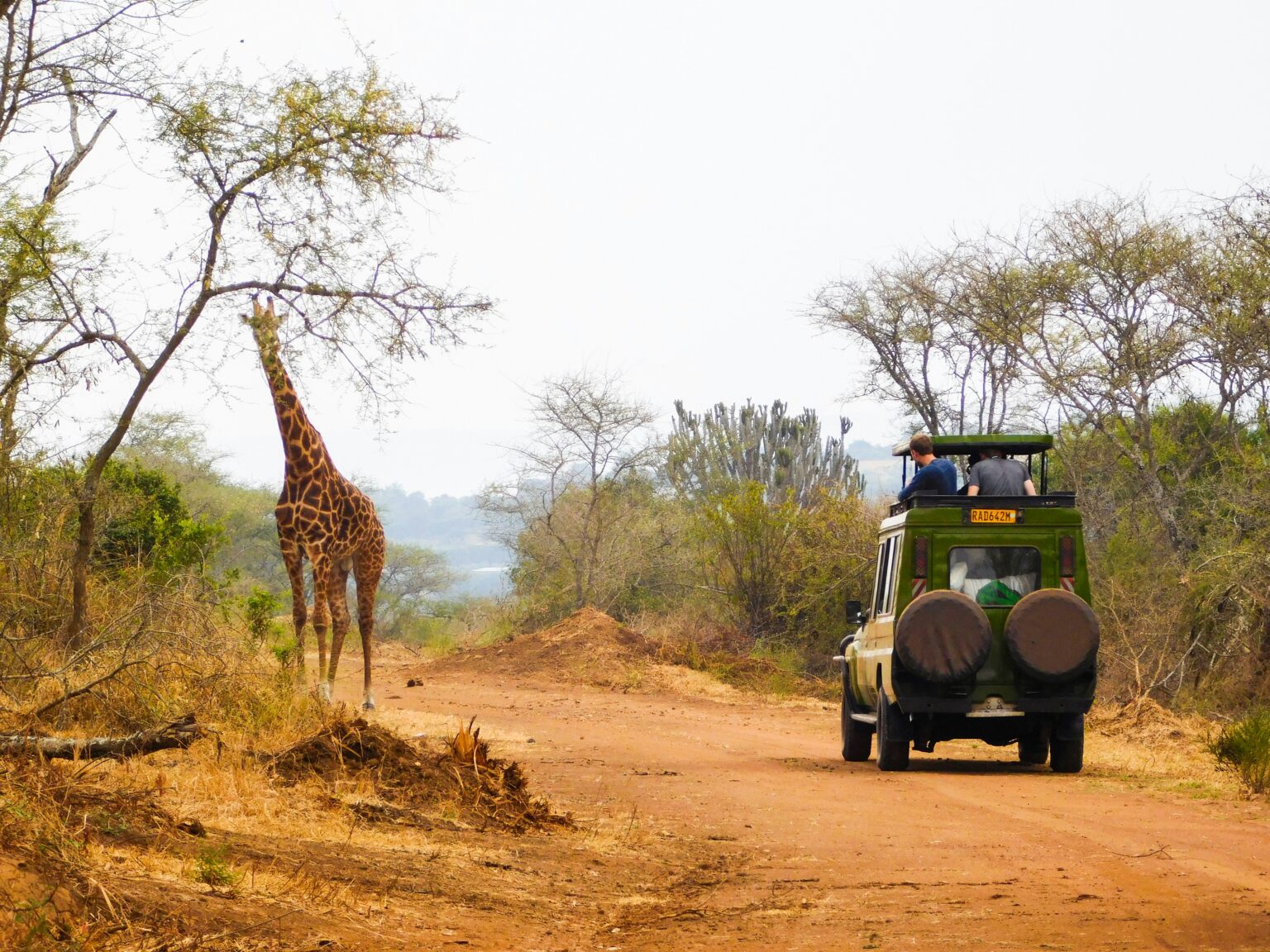
You’ll take morning or late-afternoon game drives in a 4×4 with a licensed guide who knows animal movements and park rules. Drives typically last 3–5 hours; mornings start before sunrise to catch predators active at cool temperatures, while evenings offer golden light and increased sightings.
Expect to see elephant, buffalo, lion, leopard, and the park’s black rhinos that were successfully reintroduced. Bring binoculars, a long lens if you photograph, sun protection, and a warm layer for early starts. Guides will position the vehicle for ethical viewing distances and explain behavior, ecology, and safety—stay seated and keep arms inside the vehicle.
Boat Safari on Lake Ihema
A boat trip on Lake Ihema puts you within meters of hippos and crocodiles and offers concentrated birdwatching opportunities. Tours usually last 1–2 hours and depart from designated launch points; check seasonal water levels because they affect access and sightlines.
You’ll see papyrus beds, cormorants, fish eagles, and often large hippo pods; guides point out nesting sites and feeding behavior. Wear insect repellent, a hat, and a light waterproof layer. Boats are stable but remain seated and follow the crew’s instructions for your safety and minimal disturbance to wildlife.

Relax at Lake Kivu
Lake Kivu offers calm water activities and lakeside restaurants set against rolling hills. You can paddle, fish, or take a guided boat trip to small islands, then eat fresh fish and local vegetarian dishes at waterfront spots.
Water Sports and Boat Rides
You can rent a kayak or stand-up paddleboard from Gisenyi or Kibuye operators for hourly or half-day rates. Rentals typically include life jackets and basic instruction; choose a morning slot for flatter water and clearer visibility of the shoreline and islands.
Guided boat cruises visit islands like Napoleon and Amahoro (Bar Island). A typical cruise lasts 1–3 hours and may include wildlife sightings such as fruit-bat colonies and local fishing communities.
If you want sport fishing, ask for a motorized boat with a local guide who knows the best times for tilapia and Nile perch. Bring sunscreen, a hat, and a waterproof bag; weather can change quickly on the lake.
Beachside Dining
You have several lakeside restaurants and cafés in Gisenyi and Kibuye that serve grilled tilapia, samosas, fresh salads, and Rwandan coffee. Many places offer outdoor seating on wooden decks or sand beaches with views of the Democratic Republic of Congo shore.
Expect prices to range from modest street-food levels for snacks to moderate for full seafood meals; tipping is appreciated but not mandatory. Check opening hours in high season, and ask staff about local specialties like brochettes or steamed plantains to pair with your meal.
Explore Nyungwe Forest National Park
Nyungwe offers high-elevation rainforest, abundant primates, and clear trail networks for day hikes and overnight stays. You can expect well-marked routes, ranger-led experiences, and facilities for booking permits and guides at the park headquarters.
Canopy Walk Adventure
The canopy walk crosses a 200–300 meter valley on a suspended bridge about 50 meters above the forest floor. Walks typically start early to catch birds and cooler temperatures; wear sturdy shoes and bring a light rain jacket.
A guide escorts the group and points out species like sunbirds and turacos you might spot from the bridge. The structure is secure but sways slightly; take photos at the mid-span platform for panoramic views of forest ridges and distant hills.
Timing matters: book morning slots to avoid clouds that reduce visibility. The bridge is accessible from Gisakura or Uwinka trailheads, and park staff coordinate logistics and safety briefings before entry.
Chimpanzee Tracking
Chimp trekking begins with a pre-dawn briefing at the park office, then a guided hike into designated chimp zones. Expect 2–6 hours in the forest depending on chimp movement; the trek can be physically demanding with steep or muddy sections.
Groups are limited and require permits, so reserve in advance through the Rwanda Development Board or an accredited lodge. Guides will brief you on behavior rules — keep quiet, stay at least 7 meters away, and follow instructions to minimize stress on the chimpanzees.
When you find a troop, you usually get one hour of observation from a safe distance for photography and notes. Bring water, insect repellent, and a lightweight daypack; binoculars and a telephoto lens improve close-up views without encroaching on the animals.

Immerse in Rwandan Traditional Arts
Experience contemporary visual art and powerful live dance that connect you directly with Rwanda’s stories and skills. Expect hands-on craft demonstrations, gallery tours led by artists, and energetic performances that show royal-era choreography and modern interpretations.
Visit Inema Art Center
Inema Art Center sits in Kigali’s Kacyiru neighborhood and functions as a creative hub where you’ll meet painters, sculptors, and multimedia artists. You can join guided gallery tours to learn about individual artists’ techniques, from acrylic portraiture to welded-metal sculpture, and ask about the meaning behind recurring motifs.
Workshops run regularly; sign up to try batik, painting, or clay work under artist guidance. The center also sells original artworks and prints so you can take a locally made piece home. Check the calendar in advance for opening hours and special exhibitions.
Intore Dance Performances
Intore is Rwanda’s traditional warrior dance known for precise footwork, high jumps, and rhythmic drum accompaniment. Attend a performance—often staged at cultural centers, festivals, and some hotels—to watch trained dancers perform choreographed routines that reenact historical ceremonies and celebrate national pride.
Performances usually include live drumming and spoken praise poetry called amashyi. Arrive early to secure front-row seats; after the show you may meet performers, learn basic steps, or photograph the costumes—colorful tunics, beaded sashes, and traditional headwear.
Taste Rwandan Cuisine
Rwandan food highlights fresh, local ingredients and communal eating. Expect hearty stews, fried fish, plantain dishes, and strong coffee served with warm hospitality.
Try Local Specialties
Try sambaza (small lake fish) fried crispy — often sold at lakeside stalls and served with boiled plantain or sweet potatoes. Order isombe, a creamy cassava-leaf stew usually mixed with spinach and peanut sauce; it’s rich and very filling.
Ask for akabenz if you eat pork; the seasoned, fried pork pieces pair well with simple sides like steamed greens or rice. Don’t miss ibihaza (pumpkin with beans) or matoke-style plantains, both common at family meals and markets. For a snack, grab brochettes from street vendors — beef, goat, or chicken skewers grilled over charcoal.
When dining, expect shared plates and straightforward flavors. If you want a local dining experience, look for family-run guesthouses or market eateries where dishes are made from regional produce.
Coffee Tasting Experiences
Rwanda produces high-quality Arabica coffee, especially from regions like Nyungwe and the Lake Kivu area. Visit a washing station or a local cooperative to see processing steps: picking, pulping, fermenting, washing, and drying on raised beds.
Many tours include a guided cupping where you learn to evaluate acidity, body, and aroma. Taste single-origin brews and try both washed and natural-processed beans to compare flavor differences. Bring cash for small-batch bags straight from the producer; the prices support farmers directly.
Coffee farm visits typically last 1–2 hours and often include a short walk through coffee plots. Wear comfortable shoes and be prepared for muddy paths if it rained recently.
Discover Historical Landmarks
You’ll find sites that trace Rwanda’s royal past and living cultural traditions within reachable drives from Kigali. Expect guided exhibits, reconstructed architecture, and objects that connect you to specific events and people.
Nyanza King’s Palace
Visit the reconstructed palace in Nyanza to see where Rwandan monarchs lived and ruled until the early 20th century. The thatched palace (inka) reconstruction and surrounding royal huts show traditional building techniques and spatial arrangements used by the monarchy.
A guided tour explains royal customs, the role of the king (Mwami), and artifacts such as royal stools, regalia, and everyday tools. The guide will point out symbolic features in the compound layout and discuss the palace’s place in pre-colonial governance.
Allow 60–90 minutes for the site and the adjacent royal museum displays. Wear comfortable shoes for uneven ground, and bring a camera for vivid wooden carvings and panoramic views of the surrounding hills.
Ethnographic Museum Tour
The Ethnographic Museum in Huye (Butare) houses Rwanda’s most comprehensive cultural collection, including traditional crafts, agricultural tools, and ceremonial objects. You’ll see pottery, traditional dress, and musical instruments that illustrate regional lifeways across Rwanda’s history.
Exhibits arrange items by theme—daily life, rites of passage, and agricultural practices—so you can follow how objects fit into social roles. Audio-visual displays and explanatory labels give dates, provenance, and context, helping you connect artifacts to practices still visible today.
Plan for 1–2 hours to explore both the main galleries and the museum’s botanical gardens. Combine this visit with nearby university and historical sites in Huye for a fuller cultural day.
Walk Through Musanze Caves
The trip takes you through volcanic tunnels, geological formations, and local stories. Expect uneven paths, narrow passages, and about 60–120 minutes of walking depending on your pace and the route.
Guided Cave Tours
You join small, local-led groups that start at the RDB office or a tour operator in Musanze. Guides explain the caves’ volcanic origin, point out stalactites and stalagmites, and share historical uses of the tunnels by communities.
Wear sturdy shoes and bring a light jacket; temperatures inside stay cool and parts can be damp or slippery. Tours often include headlamps or torches, but you should carry a spare battery or a small flashlight.
Tour length typically ranges from one to two hours and costs vary — expect roughly USD 50–60 as a baseline. Ask your guide about photography rules, safety measures, and nearby attractions you can add, such as Volcanoes National Park for gorilla trekking.
Shop Rwandan Handicrafts
Find handwoven baskets, brass- and steel-based jewelry, and locally roasted coffee and tea. Look for clear prices, artisan attribution, and items that pack flat for your return trip.
Kigali Craft Markets
Visit Kimironko Market and the small artisan stalls near the Kigali Convention Centre for a wide selection. You’ll find tightly coiled imigongo-pattern baskets, colorful textiles, beaded jewelry, and carved wooden masks priced from a few dollars for small items to $30–$80 for larger baskets or carved pieces.
Ask vendors about the maker and materials; many items are produced by cooperatives that reinvest in their communities. Pay attention to finish and stitching on baskets, metal join quality on jewelry, and scent and roast date on packaged coffee. Carry small bills, and be ready to bargain politely — start about 20–30% below the asking price.
Bring a lightweight cloth bag or foldable tote for fragile items. If you plan to ship purchases, confirm seller can pack for transit and check customs rules for plant-based products and wood carvings.
Buy Imigongo Artworks
Imigongo uses cow dung mixed with natural pigments to create raised geometric designs framed on wood or board. Typical sizes range from postcard to large wall panels; small pieces cost under $20, while larger, museum-quality panels can reach several hundred dollars.
Examine the texture closely — true imigongo has raised ridges with smooth pigment filling. Ask where the piece was made; the best pieces come from artisans around Karongi and Muhanga who follow traditional methods. If you prefer a modern take, look for contemporary themes or mixed-media works that combine imigongo with painted backgrounds.
Transport tips: imigongo panels are surprisingly light but fragile at the edges. Wrap corners in clothing and place between flat layers in your luggage, or request a lightweight wooden crate from the seller for shipping.